
Varicent has sold sales performance management since 2005: incentive compensation, territory, and quota planning in one suite, now with a GenAI sales-planning layer on top. It is a capable, enterprise-grade platform.
Teams shopping for a Varicent alternative usually want one of two things: a lighter or more affordable path to the same comp job, or a tool that fixes the part Varicent treats as one module among many, setting quota to what the team can actually carry.
When half a team misses, the cause is rarely the comp calculation. It is a quota that was set above the team’s real capacity before the plan ever shipped.
One disclosure up front: Lative is our product, and it sits on this list as the capacity-first option rather than another SPM suite. Every tool here is judged on the same criteria, including what it is not.
Quick picks by need
- Best capacity-first alternative: Lative
- Best comp-led SPM: Xactly
- Best flexible comp engine: CaptivateIQ
- Best enterprise modeling: Anaplan
- Best CRM-native option: Salesforce
- Best comp engagement: Everstage
Varicent alternatives at a glance
| Tool | Best for | Pricing | Standout |
|---|---|---|---|
| Lative | Quota set to capacity | Custom quote, no per-user | Quota in ramped equivalents |
| Xactly | Comp-led SPM | Custom quote | Comp plus benchmark data |
| CaptivateIQ | Flexible comp | Custom quote | Complex plans without IT |
| Anaplan | Enterprise modeling | Custom quote | Multi-domain planning |
| Salesforce | CRM-native planning | Add-on to Sales Cloud | Native, trusted data |
| SAP Commissions | Enterprise comp | Custom quote | Largest, most complex plans |
| Everstage | Comp engagement | Custom quote | Rep motivation and clarity |
Most SPM and comp tools here are enterprise custom-quote; confirm current rates with each vendor.
How we evaluated the alternatives
Four questions do the work here. Does it set quota to what the team can actually carry, or does it plan territory and quota and then pay against them? Does it administer incentive compensation accurately? How heavy is the rollout, weeks or multiple quarters? And who runs it, RevOps or a dedicated comp and planning team? Varicent and the SPM suites here are strong on comp and territory.
The job most orgs still do in a spreadsheet is the first one, setting quota to capacity, which is the gap this list is judged against. Our guide to setting quotas for SaaS reps covers the mechanics.
Where Varicent is strong, and where it isn’t
Varicent is a genuine SPM veteran. Its incentive compensation engine is deep, its territory and quota planning are mature, and its newer GenAI planning optimizes quotas and territories from the start. For a large sales org that wants comp, territory, and quota under one roof with a partner that has done it for two decades, it is a defensible choice.
The trade-offs are the ones common to full SPM suites: it is heavy to implement, priced and shaped for the enterprise, and its center of gravity is comp and territory rather than ramp-adjusted, per-rep capacity. The wider category is covered in our roundup of the best sales performance management software.
The 7 best Varicent alternatives in 2026
1. Lative: the capacity-first alternative
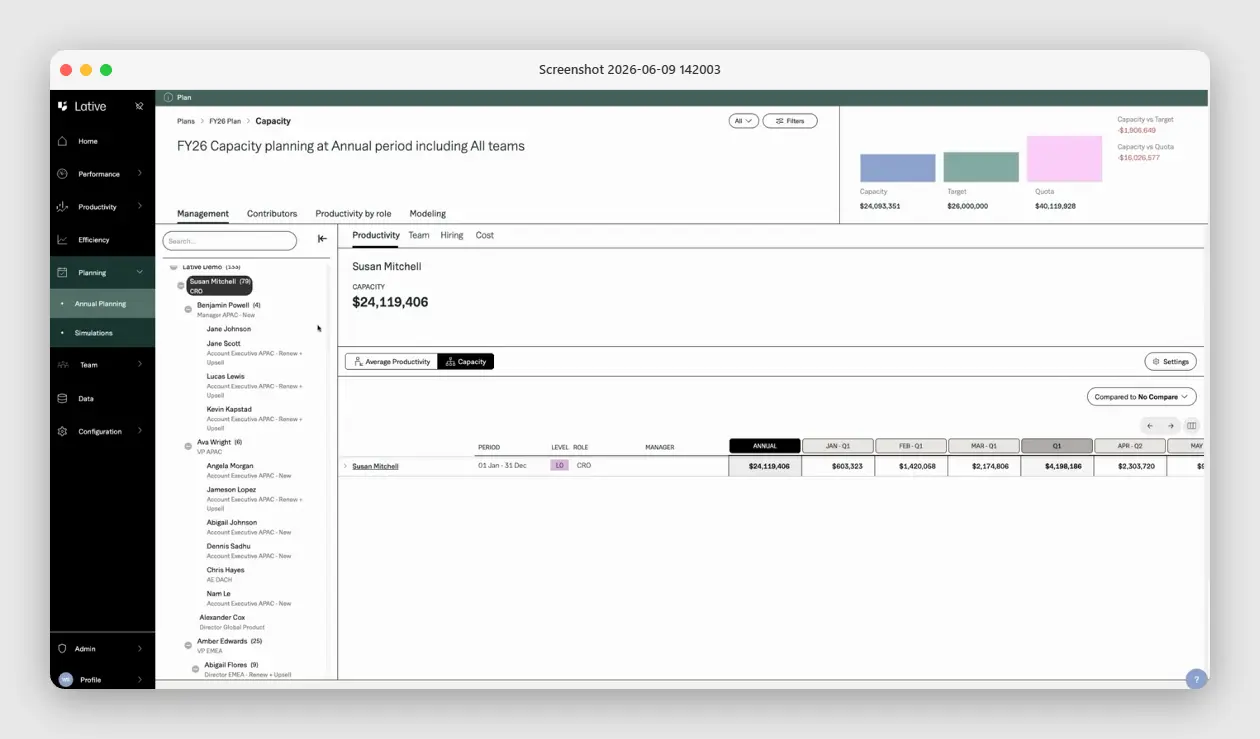
Full disclosure: Lative is our product, so weigh this with the appropriate skepticism. In an SPM comparison it is the upstream planning layer: it sets quota to real productive capacity, ramp-adjusted and reconciled to the target, before comp administration pays against it. Varicent plans territory and quota and pays on them; Lative makes sure the quota was achievable in the first place.
It is not an incentive-compensation or territory-mapping tool. It does not calculate commissions or draw territories, so for those jobs you pair it with an SPM or comp engine. What it replaces is the spreadsheet quota-and-capacity model that even a full suite leaves you to build, expressed as net quota capacity in fully ramped equivalents.
2. Xactly: the comp-led SPM suite
Xactly is the head-to-head rival to the suite you already have. Comp leads, planning modules and the Xactly Insights benchmark dataset sit alongside, and the pitch is close to the one Varicent made: keep territory, quota, and comp with a single vendor.
Which means the swap is only worth it for a specific reason. The benchmark data is usually that reason, because years of accumulated comp data is genuinely hard to replicate. If your complaint is that planning runs shallow inside a comp-led suite, you are trading one comp-led suite for another.
3. CaptivateIQ: the most flexible comp engine
CaptivateIQ is what you buy when you decide to unbundle. It takes the comp half of the suite and does it better than a suite module usually does, with plans that comp admins can restructure themselves instead of filing a request and waiting.
Unbundling has a cost, and here it is the territory and quota modules you leave behind. Those jobs land somewhere else, which is fine if you have chosen where, and a problem if the unstated plan is that a spreadsheet absorbs them.
4. Anaplan: the enterprise modeling platform
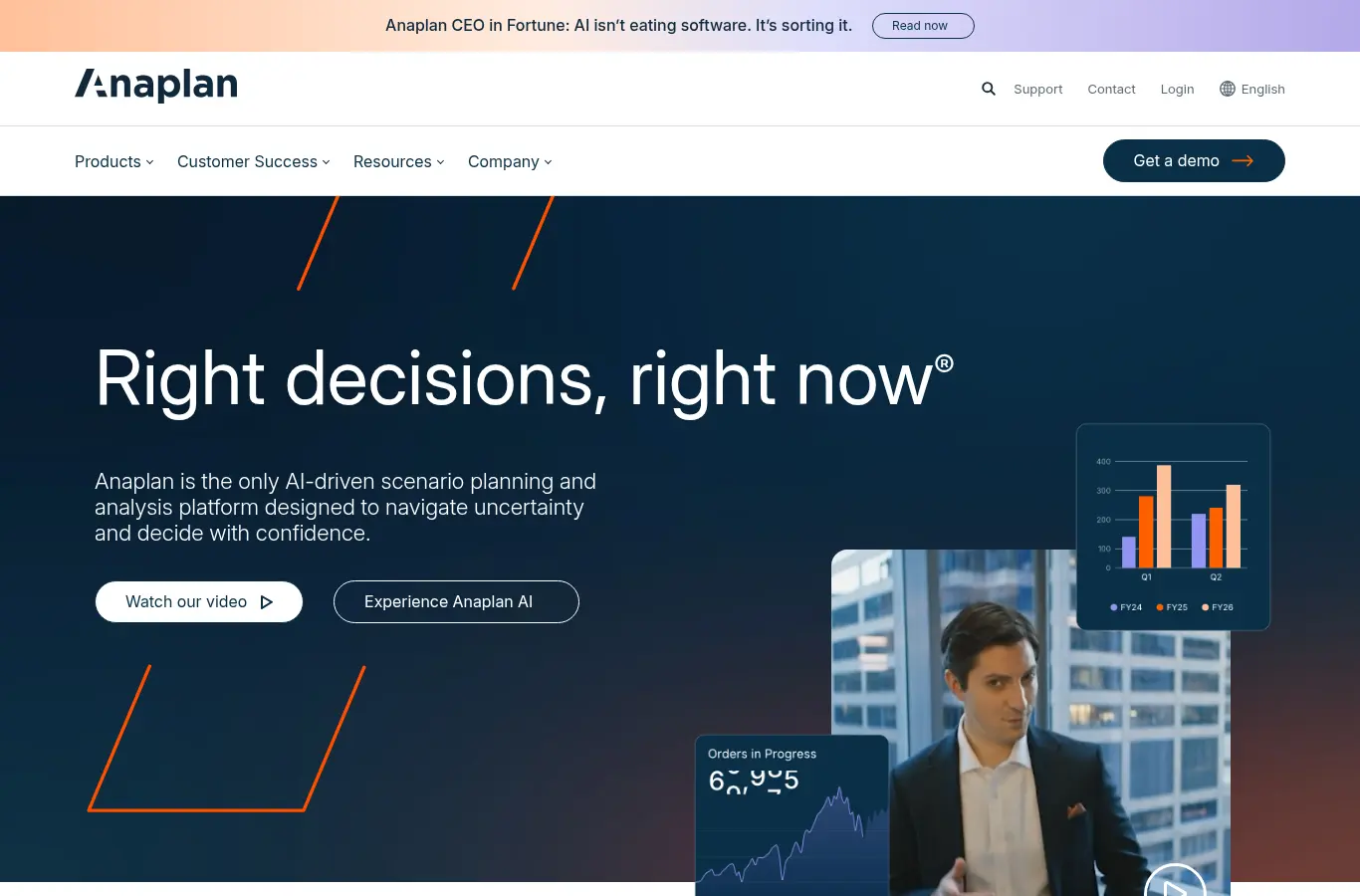
Anaplan is the other half of the unbundling decision. Where CaptivateIQ takes comp, Anaplan takes planning, and it takes it considerably further than any SPM module: territory, quota, headcount, and the finance plan can all sit in one connected model.
It is a platform rather than a product, so the territory and quota logic Varicent handed you out of the box becomes something your team designs. Expect months, a modeling specialist, and a maintenance job with no end date. You are buying enormous flexibility from a suite that gave you defaults.
5. Salesforce Sales Planning: the CRM-native option
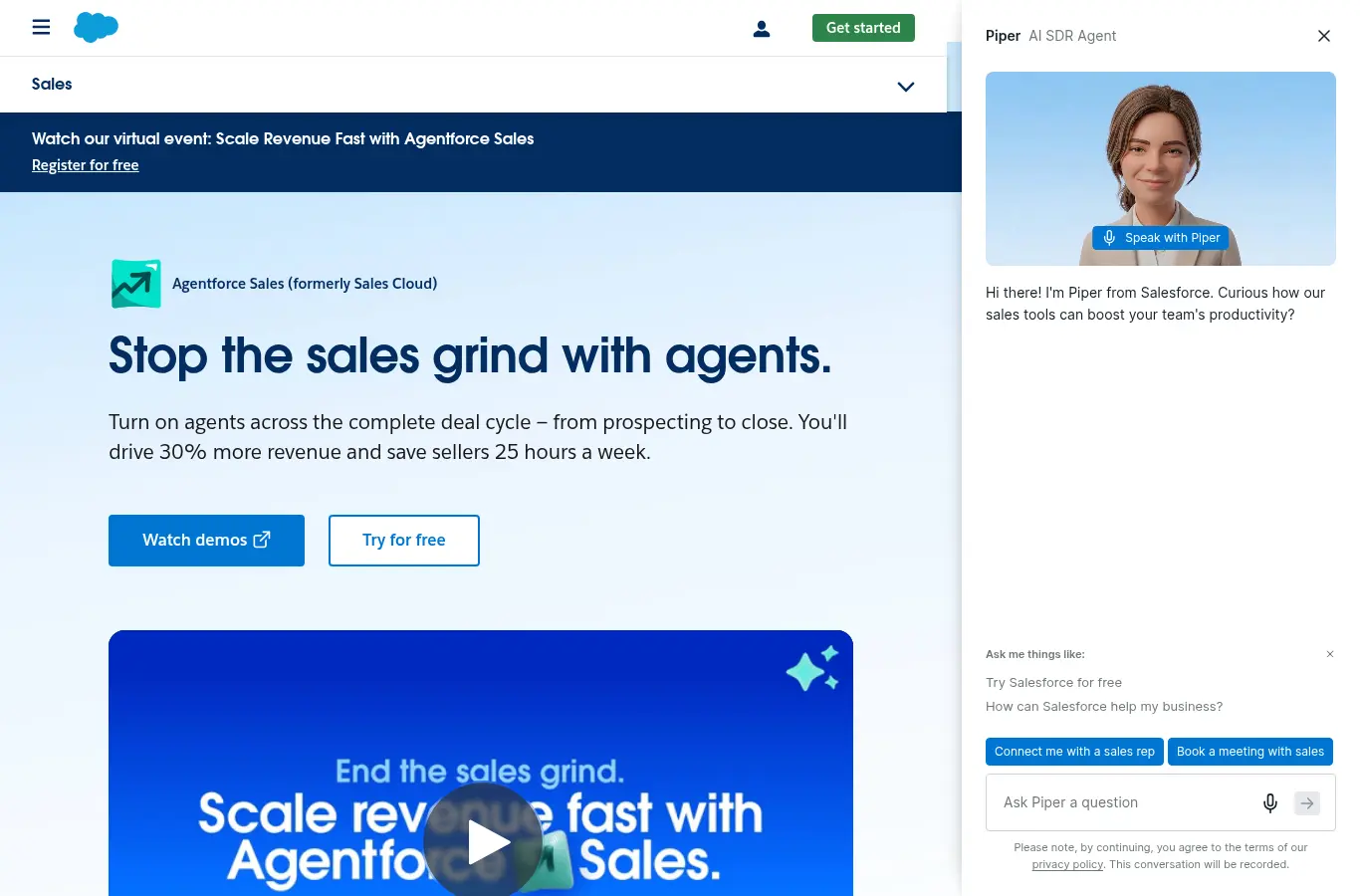
Salesforce Sales Planning is the downshift. Territory and quota work moves onto CRM records, there is no integration to maintain, and for teams whose Varicent usage was mostly territory alignment and quota allocation it covers that ground at a fraction of the operational overhead.
It is thinner than a suite by design. Comp administration is not part of it, so that moves to a dedicated engine, and the capacity math behind the quota is as absent here as it was in the suite you are leaving.
6. SAP Commissions: the enterprise comp standard
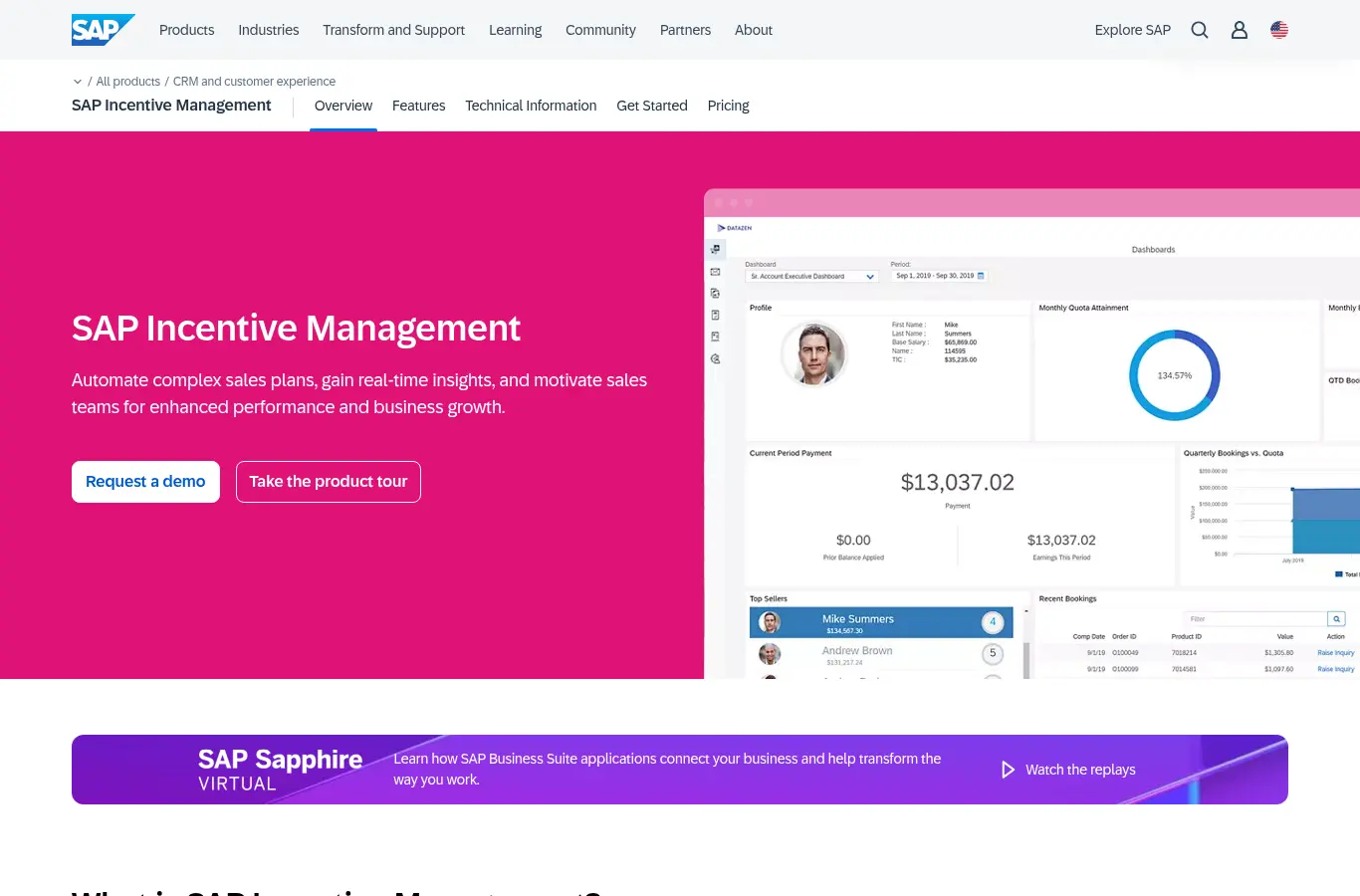
SAP Commissions is the choice when comp is the reason you are moving and scale is the reason comp broke. Multi-entity programs, heavy governance requirements, and audit demands are where it earns its place, particularly for organizations already committed to SAP elsewhere.
Everything else the suite bundled is gone. This is comp infrastructure alone, the implementation is a project rather than a configuration, and planning becomes a separate purchase and a separate discipline.
7. Everstage: the best comp engagement
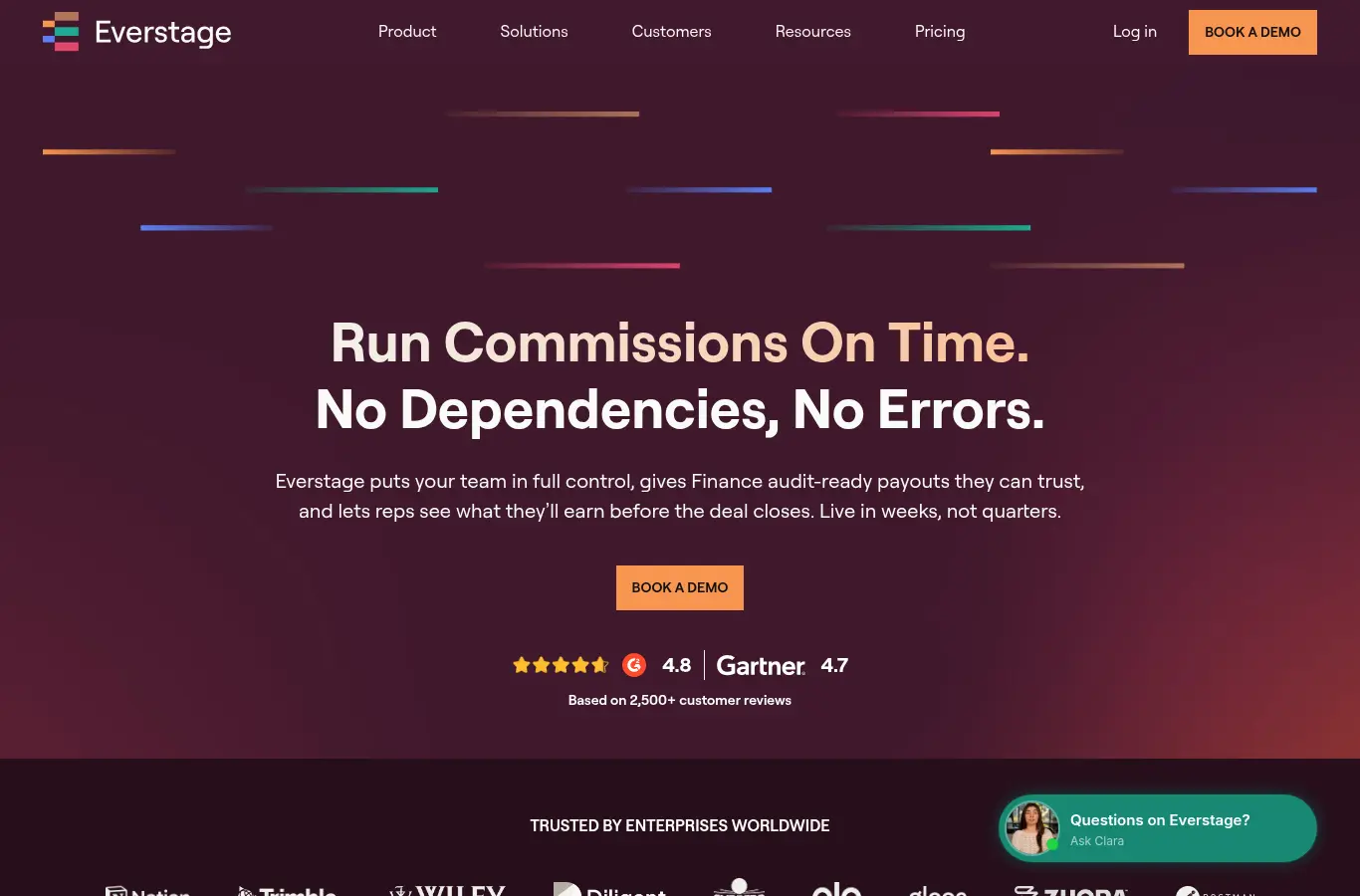
Everstage is the modern, rep-facing end of the market, and the contrast with an enterprise suite is the whole argument. Reps see live commission, forecast their own earnings, and stop opening tickets about statements they cannot read.
It replaces the comp engine and nothing above it. Territory, quota, and capacity all move elsewhere, which makes Everstage a strong half of a stack rather than a suite replacement.
When to switch, and when to stay
Stay with Varicent, or pick another SPM suite, when you need incentive compensation, territory, and quota administration together at enterprise scale and you have the team to run it.
Move to a capacity-first tool like Lative when your misses trace back to quotas set above what the team could carry, when ramp and attrition break the plan mid-year, or when you want quota tied to capacity before any comp pays against it. Many teams run both: capacity planning upstream, SPM and comp downstream. See how the pieces fit on our sales capacity planning hub.
Frequently asked
What is the best Varicent alternative?
It depends on the job. For incentive compensation and territory management, Xactly, CaptivateIQ, and SAP Commissions are the closest suites, and Everstage is a lighter, rep-friendly option. If your real gap is setting quota to what the team can carry, a capacity-first tool such as Lative is the better fit, because it plans the number the SPM suite would otherwise pay against.
Is there a cheaper alternative to Varicent?
Most enterprise SPM and comp tools, Varicent included, are custom-quote, so comparing price means talking to each vendor. Newer comp platforms such as CaptivateIQ and Everstage target scaling teams and can be lighter to run. Always confirm the current rate for your seat count and plan complexity.
Does Varicent do capacity planning?
Varicent plans territory and quota and has added GenAI to optimize them, so it touches capacity indirectly. It is SPM-led by design, though, so ramp-adjusted, per-rep productive capacity is one input among many rather than the native core it is in a purpose-built planning tool.
What is the difference between Varicent and Lative?
Varicent is a full sales performance management suite: incentive compensation, territory, and quota. Lative is a capacity-first planning platform that sets quota to ramp-adjusted capacity and does not run comp or territories. Varicent pays and administers the plan; Lative makes sure the quota was achievable.
Can you use Lative and Varicent together?
Yes. Lative plans capacity and sets quota to what the team can produce, then Varicent administers territory and pays incentive compensation against that quota. Planning sits upstream, SPM and comp downstream.
See it in action. Book a Lative demo and see how it sets quota to real, ramp-adjusted capacity before comp ever pays against it.
Werner Schmidt — Werner Schmidt is the CEO and Co-founder of Lative, with over 20 years of experience in Revenue Operations with companies including Forcepoint, Aruba Networks, Citrix, and Sage.