
The best sales compensation software pays reps accurately, on time, and transparently, across whatever splits, tiers, and accelerators your plan throws at it. That job matters: nothing erodes trust on a sales floor faster than a commission statement people cannot verify. The twelve tools below are compared on plan flexibility, accuracy, administration effort, and fit.
There is a catch worth naming before the list. Every comp engine here pays against a quota that someone set by hand.
When a quota sits above the team’s real capacity, the best comp software in the world just pays you accurately for a miss.
One disclosure up front: Lative is our product, and it is not a commission engine. It appears on this list, honestly labeled, because comp is only as good as the quota under it. Every tool is judged on the same criteria, including what it is not.
Quick picks by need
- Best capacity and quota layer: Lative
- Best AI-agent commission automation: Qobra
- Best enterprise comp and benchmarks: Xactly
- Best flexible comp engine: CaptivateIQ
- Best rep-friendly commissions: Salesforce Spiff
- Best transparent pricing: QuotaPath
- Best for SMB: Sales Cookie
Best sales compensation software at a glance
| Tool | Best for | Pricing | Standout |
|---|---|---|---|
| Lative | Quota set to capacity | Custom quote, no per-user | The layer above comp |
| Qobra | AI-driven commission automation | Custom quote | AI agents that run comp |
| Xactly | Enterprise comp + benchmarks | Custom quote | Comp plus Insights data |
| CaptivateIQ | Flexible comp | Custom quote | Complex plans without IT |
| Salesforce Spiff | Rep-friendly commissions | Custom quote | Real-time comp visibility |
| Varicent | Comp within full SPM | Custom quote | Comp, territory and quota |
| Performio | Configurable ICM | Custom quote | Reliable comp administration |
| SAP Commissions | Enterprise comp | Custom quote | Largest, most complex plans |
| Everstage | Comp engagement | Custom quote | Rep motivation and clarity |
| Forma.ai | Managed comp | Custom quote | Comp as a managed service |
| QuotaPath | Transparent-pricing comp | Published; confirm current rate | Public per-user pricing |
| Palette | Commission automation | Custom quote | Complex plans, less manual work |
| Sales Cookie | SMB commissions | Published pricing | Affordable, flexible SMB comp |
Enterprise tools here are custom-quote; QuotaPath and Sales Cookie publish rates. Confirm current pricing with each vendor.
How we evaluated the tools
Four things separate strong comp software.
Plan flexibility: can you model splits, tiers, accelerators, and frequent changes without IT? Accuracy and disputes: does it calculate correctly and give reps trusted, real-time statements? Administration effort: is it self-serve, or a standing comp-admin job? And fit and price: enterprise suite or SMB tool, custom-quote or published? We also flag the thing most comp lists skip.
Comp is only as good as the quota it pays against, so we lead with the layer that sets that quota to capacity. For that first step, see our guide to setting quotas for SaaS reps.
The 12 best sales compensation tools in 2026
1. Lative: the capacity and quota layer above comp
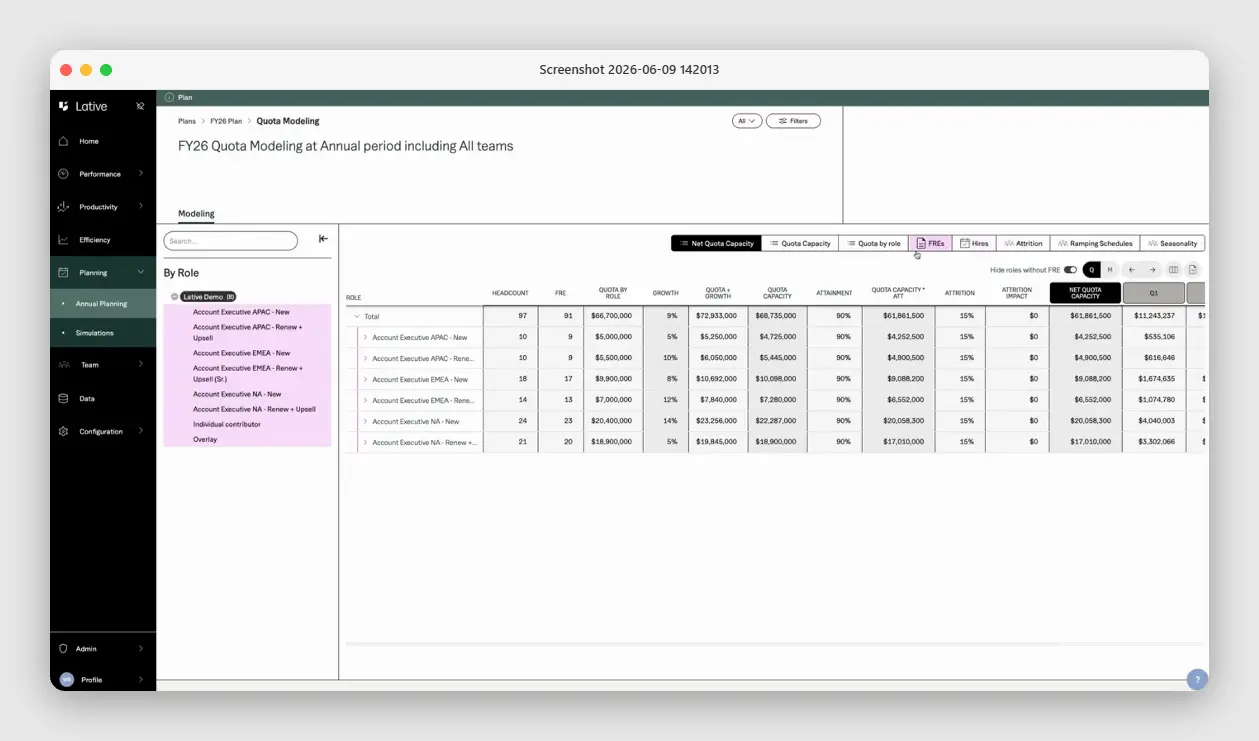
Full disclosure before anything else: Lative is our product, and it is not a commission engine. It earns the top of a sales-compensation list for a different reason. The best comp software still pays against a quota someone set by hand, and if that quota sat above the team’s real capacity, you are paying accurately, on time, for a miss.
Lative sets quota to ramp-adjusted capacity so the number comp pays against was achievable in the first place.
Every other tool on this list calculates and pays commission; Lative does neither. Pair it with any of them: Lative plans the capacity and quota upstream, the incentive tool administers payout downstream, expressed as net quota capacity in fully ramped equivalents. If you only need to fix comp administration, skip to the eleven tools below.
2. Qobra: AI agents that run your sales compensation
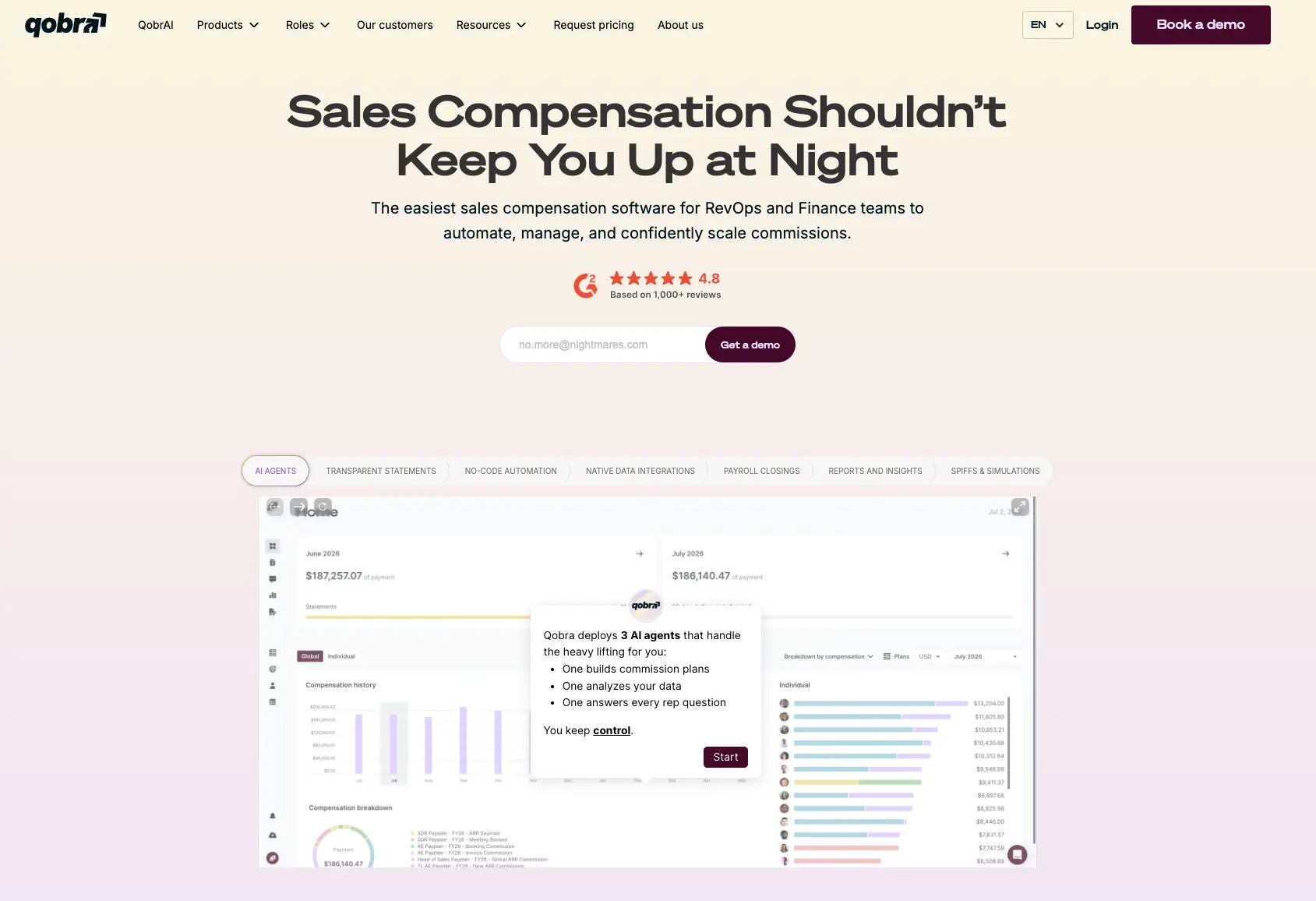
A sales compensation platform that automates commission calculations in real time from CRM and data-warehouse sources, with a no-code plan builder for RevOps and Finance teams. Its differentiator is QobrAI, three AI agents: the Architect builds and tests plans from a few prompts, the Analyst flags payout anomalies before month-end close, and the Sales Coach answers rep questions automatically. Over 30,000 users at companies including SAP, GoCardless, Make, and ElevenLabs run commissions on it, and it holds the strongest review scores in the category: 4.8/5 on G2 (1,000+ reviews, Best Usability badge), 4.9/5 on Capterra, and 4.6/5 on SoftwareReviews. Like the other comp engines here, it is payout-focused: it calculates, validates, and pays with 100% reliability, but the quota it pays against is set elsewhere, and it does not model ramp-adjusted capacity.
3. Xactly: enterprise comp with benchmark data
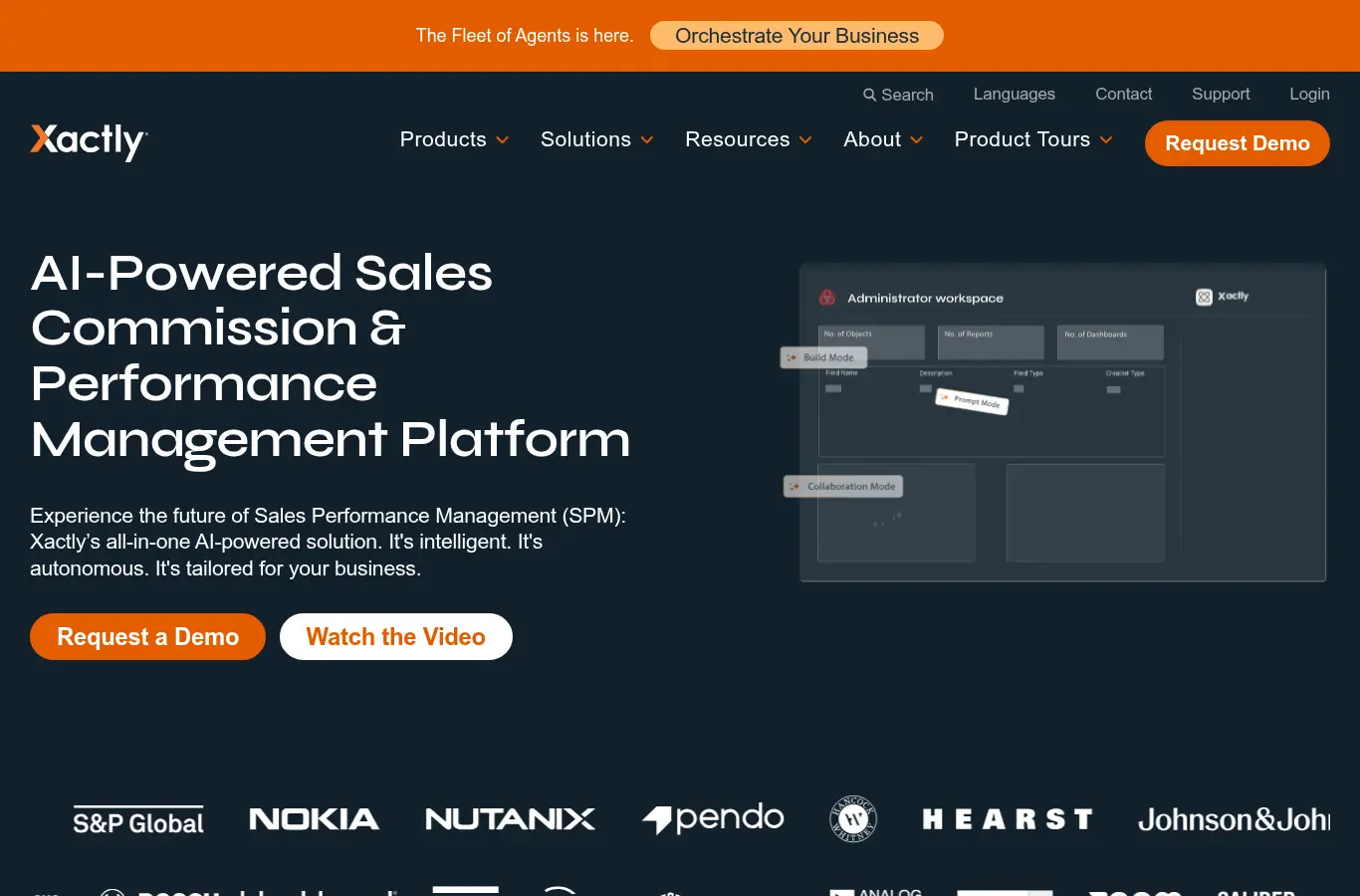
Best known for incentive compensation, with planning modules and a benchmark dataset accumulated over years of comp data. Sensible when comp should share a vendor and you value the benchmarking.
It is comp-led: the plan serves the comp model rather than the other way around, and ramp-cohort math is not a native object. Buy it for comp first.
4. CaptivateIQ: the most flexible comp engine
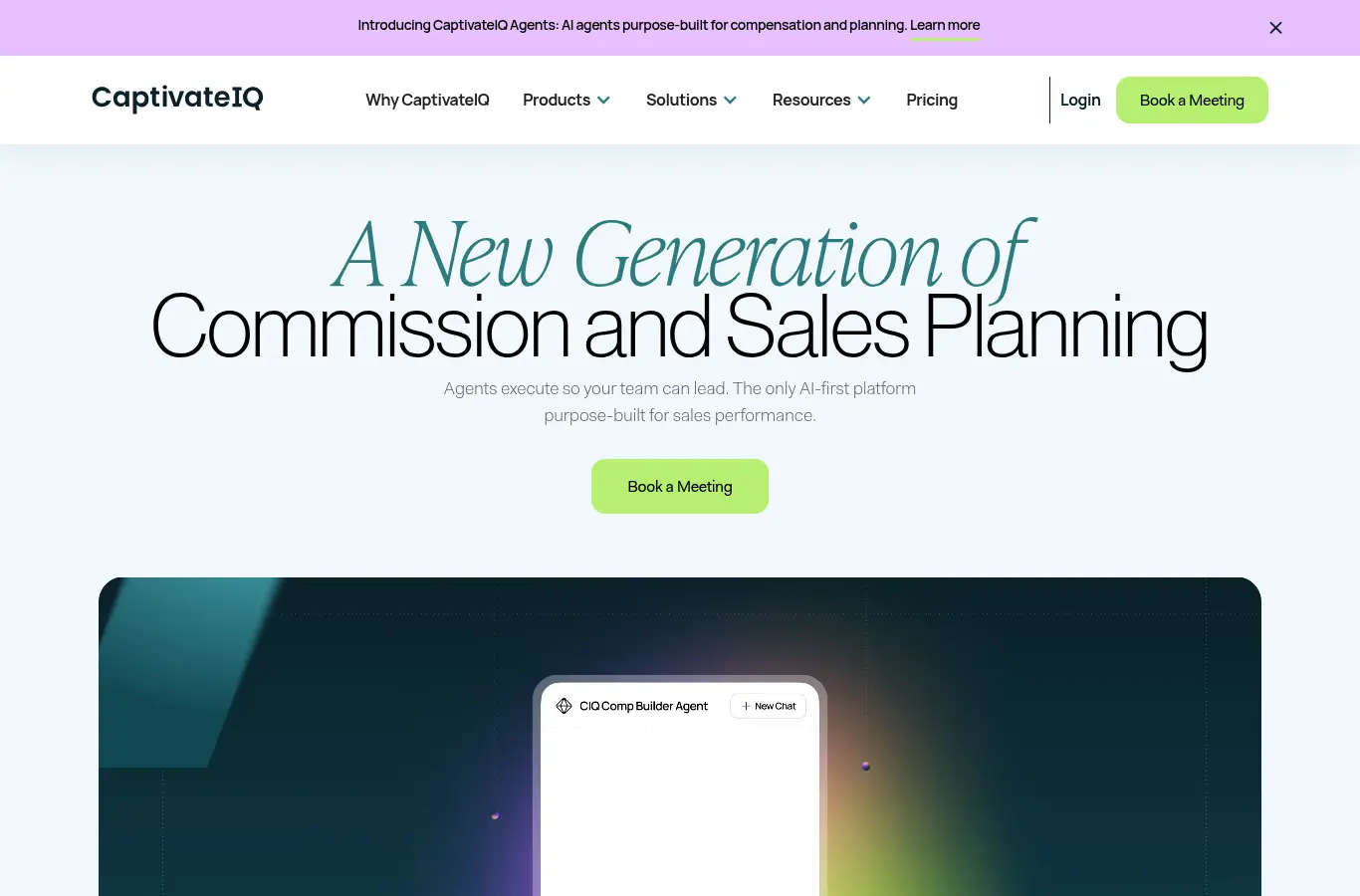
A flexible incentive compensation platform built for complex, frequently changing comp plans without heavy IT involvement. Strong for scaling teams that iterate on comp.
It is comp-first: excellent at calculating and paying commission, but the quota it pays against still needs to be set by a capacity-aware planning tool.
5. Salesforce Spiff: the most rep-friendly commissions
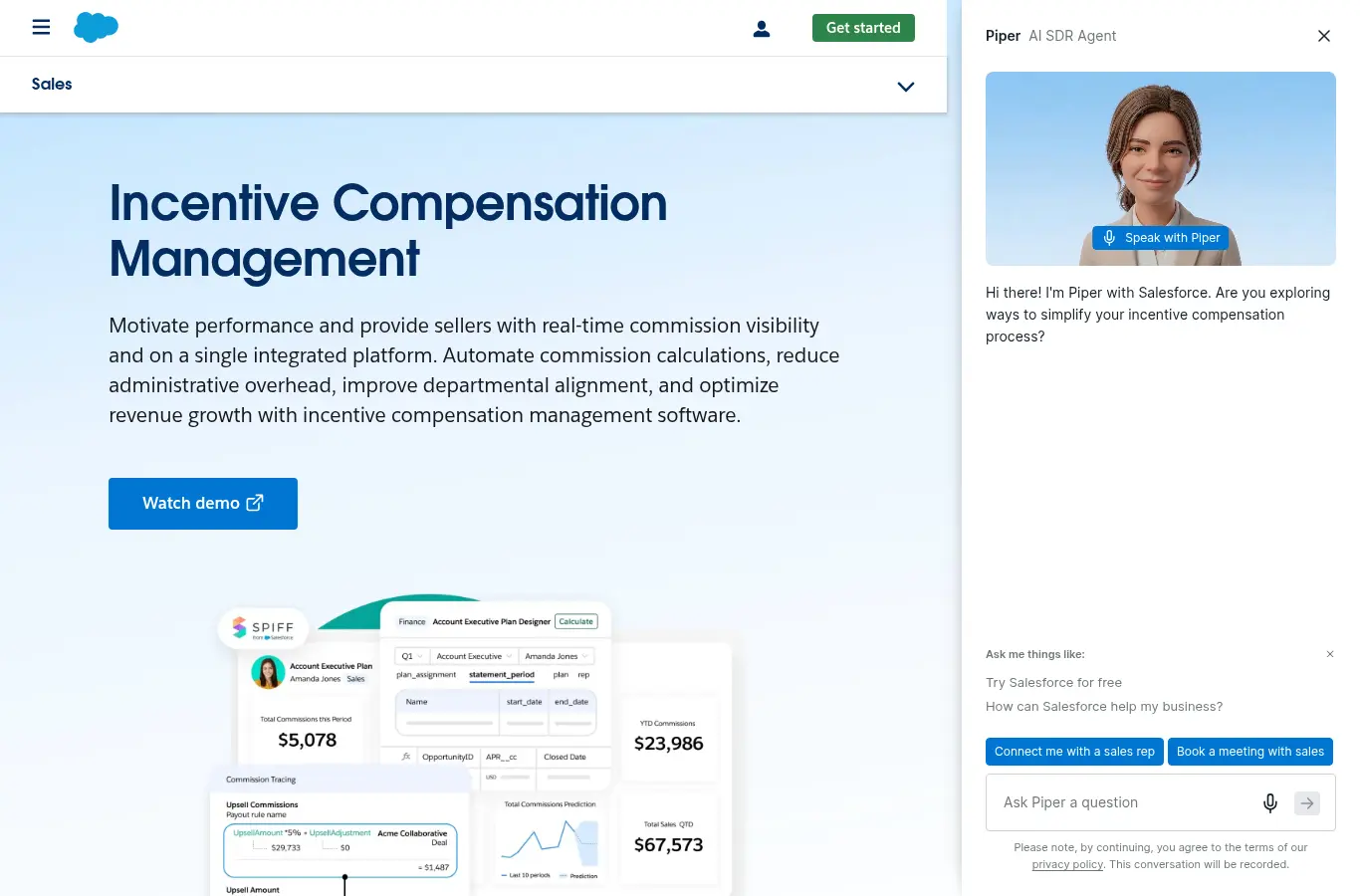
Modern incentive compensation management, now part of Salesforce, known for a rep-friendly experience and real-time commission visibility that reduces comp disputes.
It is a payout engine: it pays accurately on attainment, but it does not set quotas to capacity or model the plan behind them.
6. Varicent: comp within a full SPM suite
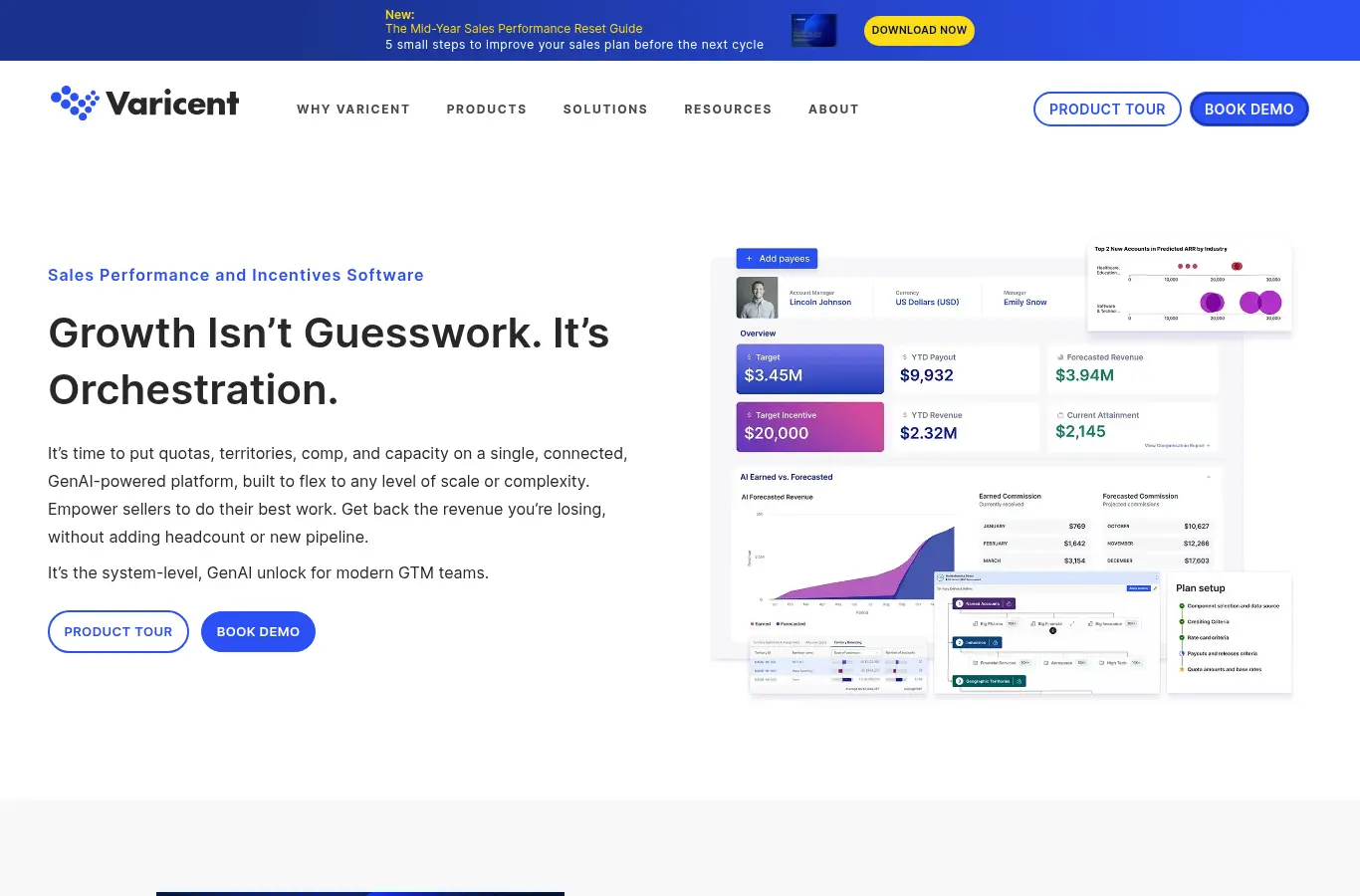
Sales performance management with deep roots in territory, quota, and incentive planning for larger sales orgs. It is the right neighborhood when this job needs to live next to comp administration.
Its center of gravity is SPM, so this capability is one among many rather than the core product, and the depth is lighter than in a purpose-built tool.
7. Performio: the most configurable ICM
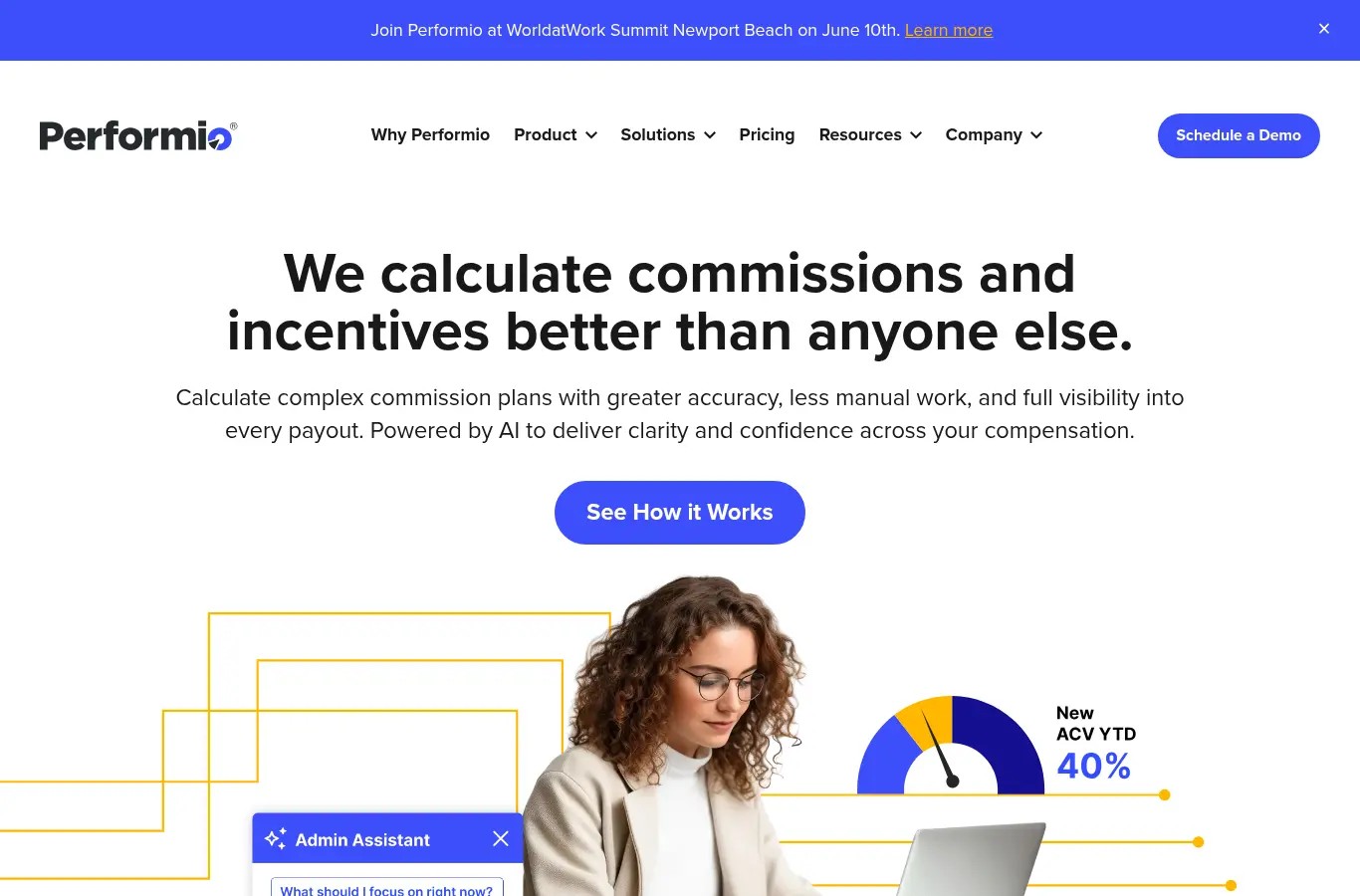
Incentive compensation management with a configurable engine and solid plan flexibility, aimed at mid-market and enterprise teams that want reliable comp administration.
Like all ICM tools it is comp-led: it administers and pays plans well, but does not model capacity or set quota to what the team can deliver.
8. SAP Commissions: the enterprise comp standard
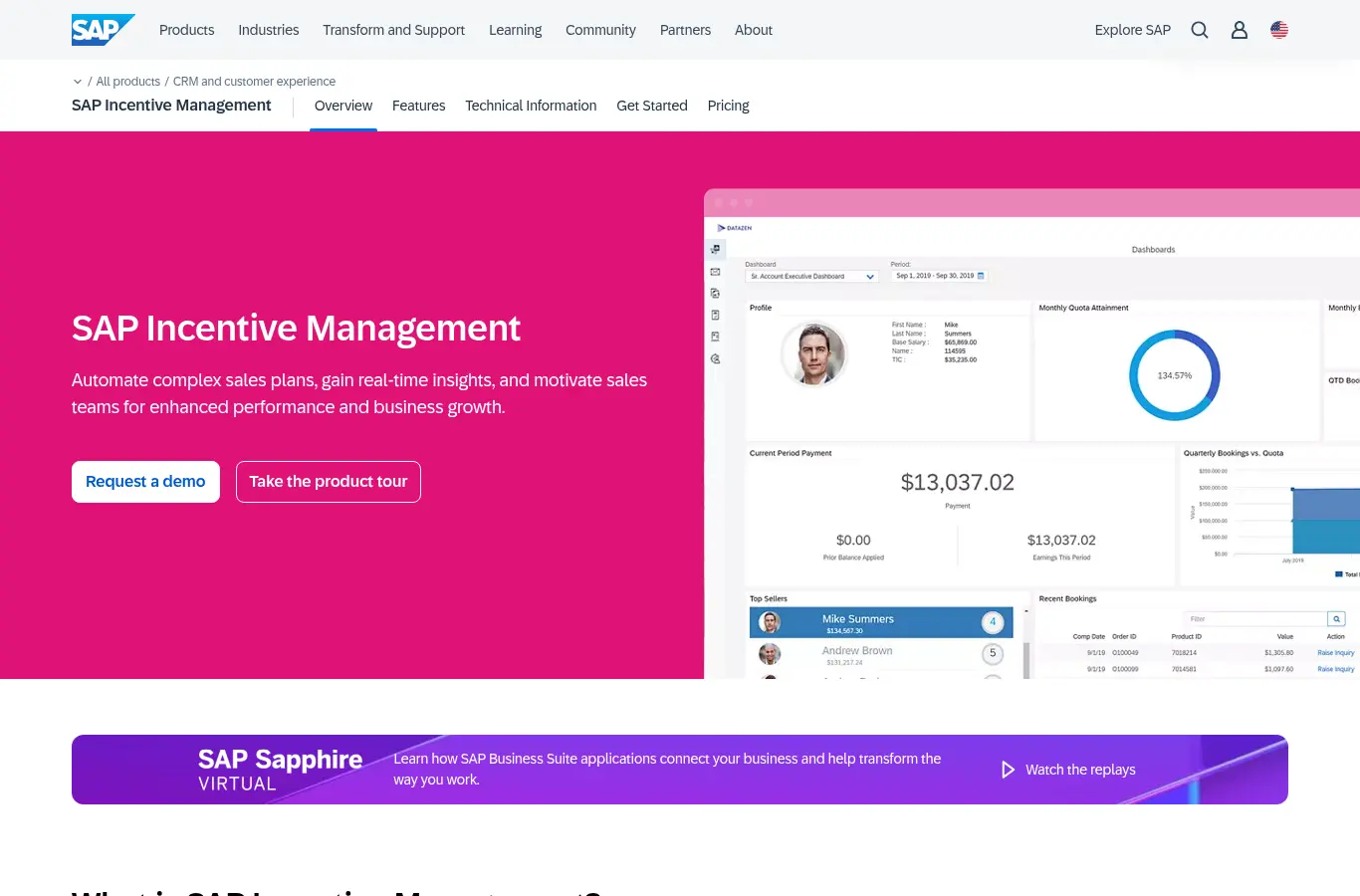
Enterprise incentive compensation management for the largest, most complex sales comp programs, with the scale and governance big enterprises require.
It is enterprise comp infrastructure, heavy to implement and comp-focused by design. Quota-to-capacity planning is a separate discipline it does not cover.
9. Everstage: the best comp engagement
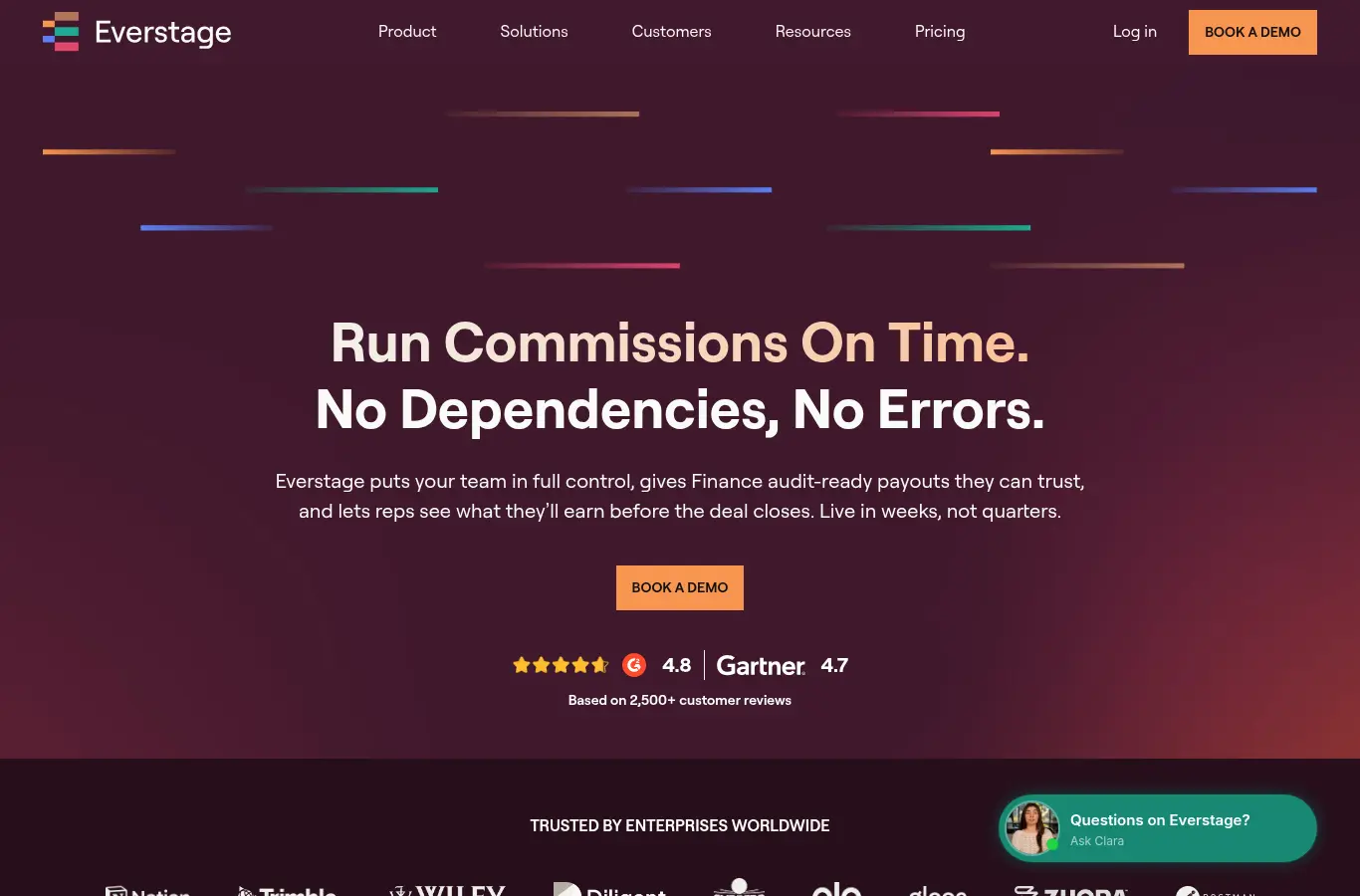
A modern incentive compensation platform focused on rep engagement, gamification, and transparent, real-time commission tracking for scaling sales teams.
It is comp-first: strong on motivation and payout accuracy, but the quota it pays against still needs a capacity-aware plan behind it.
10. Forma.ai: comp as a managed service
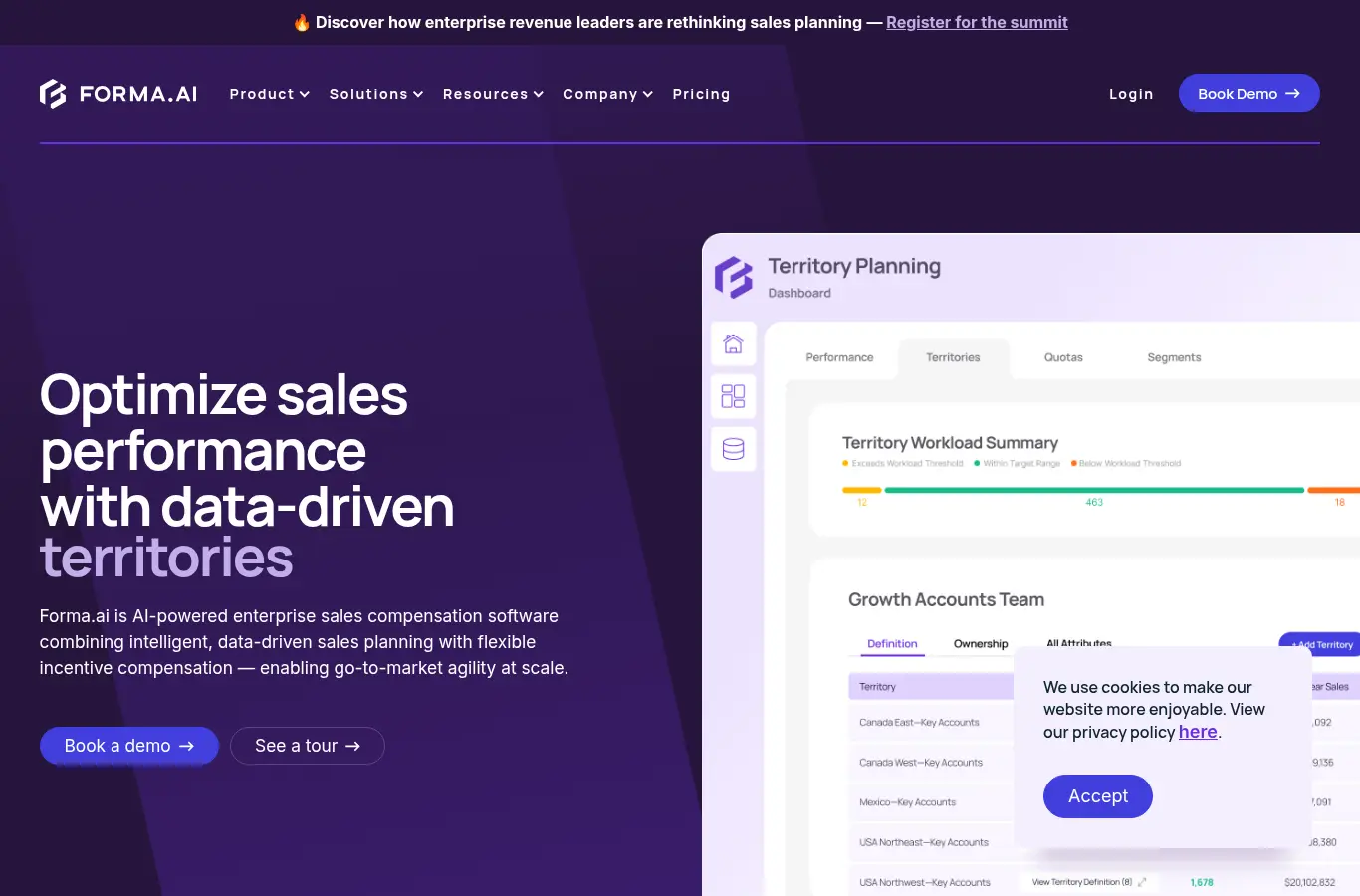
An enterprise sales-compensation platform that runs comp as a data-driven, partly managed service, handling complex plan design and administration for large orgs.
It is a specialized comp partner, not a planning tool. It optimizes and administers incentives; capacity and quota-to-capacity planning are a different job.
11. QuotaPath: transparent-pricing commission tracking
An AI-native commission management tool that automates tracking and payouts and adds comp-plan modeling and benchmarks. It is popular with SMB and mid-market revenue teams that want commission clarity without an enterprise rollout, and it is one of the few in the category with public pricing.
It is a commission and quota-tracking tool, not a capacity planner. It tracks attainment against quota well; it does not model whether that quota matched the team’s ramp-adjusted capacity in the first place.
12. Palette: commission automation for complex plans
Sales commission automation that connects your CRM and data sources to calculate payouts and give finance and sales ops full visibility. It is built to administer complex commission structures with fewer errors and far less manual spreadsheet work.
Like other commission tools it is payout-focused. It automates and audits comp accurately, but the quota it pays against is set elsewhere, and it does not model ramp-adjusted capacity.
13. Sales Cookie: SMB commission management
A cloud-based commission tool aimed at small and mid-sized businesses, with support for splits, quotas, ramp-ups, formulas, caps, and overrides. It is designed to make incentive-plan design and payout manageable for teams without a dedicated comp admin.
It handles SMB commission administration well for the price, but it is a payout tool, not a planning system. It calculates on the quota you give it rather than sizing that quota to capacity.
How to choose, and the number under the comp
Pick your comp engine on plan flexibility, accuracy, administration effort, and fit: an enterprise suite like Xactly or SAP Commissions for the most complex plans, CaptivateIQ or Performio for flexibility, Everstage or Salesforce Spiff for rep experience, and QuotaPath or Sales Cookie for smaller teams that want public pricing. Then check the number underneath it.
If your attainment keeps landing near half the team, the fix is not a better payout engine, it is a quota set to capacity. See how the two connect on our sales capacity planning hub and our roundup of the best sales performance management software.
Frequently asked
What is the best sales compensation software?
There is no single winner; it depends on plan complexity and team size. Xactly and SAP Commissions handle the largest, most complex plans, CaptivateIQ and Performio lead on flexibility, Everstage and Salesforce Spiff on rep experience, and QuotaPath and Sales Cookie on transparent pricing for smaller teams. Whichever you choose, make sure the quota it pays against was set to capacity.
How much does sales compensation software cost?
Most enterprise tools are custom-quote, priced on seat count and plan complexity, so a direct comparison means talking to each vendor. A few, such as QuotaPath and Sales Cookie, publish per-user pricing. Always confirm the current rate for your team before budgeting.
Does sales compensation software set quotas?
Most comp tools track attainment against a quota and some help model plans, but they pay against a quota that is set elsewhere. Sizing quota to the team’s ramp-adjusted capacity is a separate job that a capacity-first planning tool such as Lative does before comp ever pays.
What is the difference between comp software and Lative?
Comp software calculates and pays commission. Lative is a capacity-first planning platform that sets quota to ramp-adjusted capacity and does not calculate payouts. Comp software pays on the number; Lative makes sure the number was achievable, and the two are used together.
What is the best sales compensation software for small businesses?
Sales Cookie and QuotaPath are the most SMB-friendly on this list, with published pricing and enough flexibility for splits, ramps, and quotas without a dedicated comp admin. Larger teams with complex plans tend to move to CaptivateIQ, Performio, or an enterprise suite.
See it in action. Book a Lative demo and see how it sets quota to real, ramp-adjusted capacity, so your comp engine pays on a number the team can actually hit.
Werner Schmidt — Werner Schmidt is the CEO and Co-founder of Lative, with over 20 years of experience in Revenue Operations with companies including Forcepoint, Aruba Networks, Citrix, and Sage.