
Salesforce Spiff built its name on a rep-friendly commission experience: real-time statements, fewer disputes, and comp visibility reps actually trust. Now folded into Salesforce, it is a strong incentive engine for teams already on that stack.
The teams looking for a Spiff alternative for SaaS sales usually want one of three things: a comp tool that is not tied to Salesforce, a different pricing or configuration model, or a fix for the part Spiff does not touch, setting the quota it pays against to what the team can actually carry.
A commission engine can pay perfectly, in real time, on a quota the team never had the capacity to hit. The plan was wrong before the first statement rendered.
One disclosure up front: Lative is our product, and it appears here as the capacity-first option rather than another commission tool. Every tool is judged on the same criteria, including what it is not.
Quick picks by need
- Best capacity-first alternative: Lative
- Best flexible comp engine: CaptivateIQ
- Best comp-led SPM: Xactly
- Best configurable ICM: Performio
- Best comp engagement: Everstage
- Best enterprise comp: SAP Commissions
Spiff alternatives at a glance
| Tool | Best for | Pricing | Standout |
|---|---|---|---|
| Lative | Quota set to capacity | Custom quote, no per-user | Quota in ramped equivalents |
| CaptivateIQ | Flexible comp | Custom quote | Complex plans without IT |
| Xactly | Comp-led SPM | Custom quote | Comp plus benchmark data |
| Performio | Configurable ICM | Custom quote | Reliable comp administration |
| Everstage | Comp engagement | Custom quote | Rep motivation and clarity |
| SAP Commissions | Enterprise comp | Custom quote | Largest, most complex plans |
| Forma.ai | Managed comp | Custom quote | Comp as a managed service |
Commission and comp tools here are enterprise custom-quote; confirm current rates with each vendor.
How we evaluated the alternatives
Four questions separate these tools. Does it set quota to what the team can carry, or pay accurately against a number handed to it? How flexible is the plan design without IT? Is it tied to one CRM, or stack-agnostic? And how much of comp administration is managed for you versus run in-house? Spiff and the commission tools here are strong on the payout job.
The one they leave to you is the first, sizing quota to real capacity, which is the gap this list is judged against. Our guide to setting quotas for SaaS reps covers that first step.
Where Spiff is strong, and where it isn’t
Spiff is genuinely good at what it does. The rep experience is clean, commission statements update in real time, and disputes drop because reps can see how they are paid. Now that it is part of Salesforce, it is a natural fit for teams standardizing on that platform.
The trade-offs: it is a payout engine, so it pays on attainment rather than setting quota to capacity, and its tightening ties to Salesforce matter more if your team is not on that CRM. For everything else in this category, see our roundup of the best sales performance management software.
The 7 best Spiff alternatives for SaaS sales in 2026
1. Lative: the capacity-first alternative
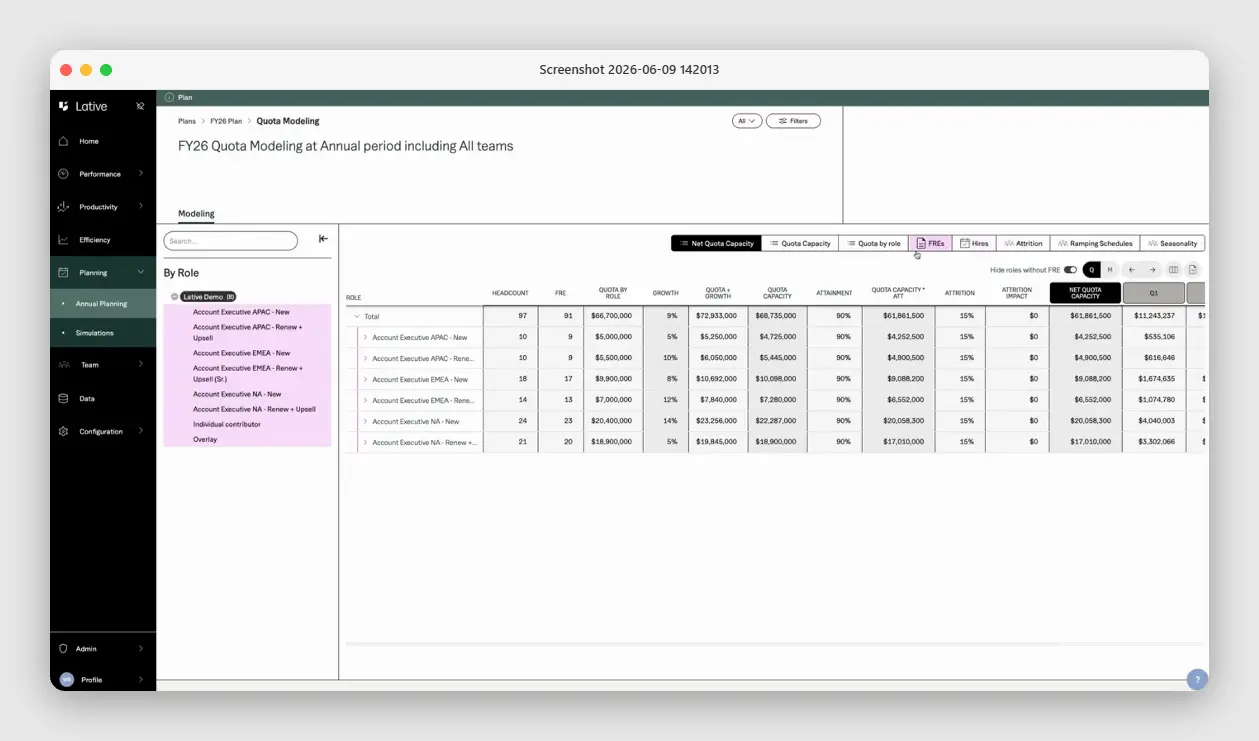
Full disclosure: Lative is our product, so weigh this with the appropriate skepticism. It belongs on a Spiff-alternative list because it solves the problem upstream of commission: it sets quota to real productive capacity, ramp-adjusted and reconciled to the target, before any statement pays against it.
Spiff pays accurately, in real time, on a number; Lative makes sure that number was achievable in the first place.
It is not a commission engine. It does not calculate payouts or produce rep statements, so if real-time comp is your core need you will keep Spiff or another ICM tool for that. What it replaces is the spreadsheet quota-and-capacity model behind the plan, expressed as net quota capacity in fully ramped equivalents.
2. CaptivateIQ: the most flexible comp engine
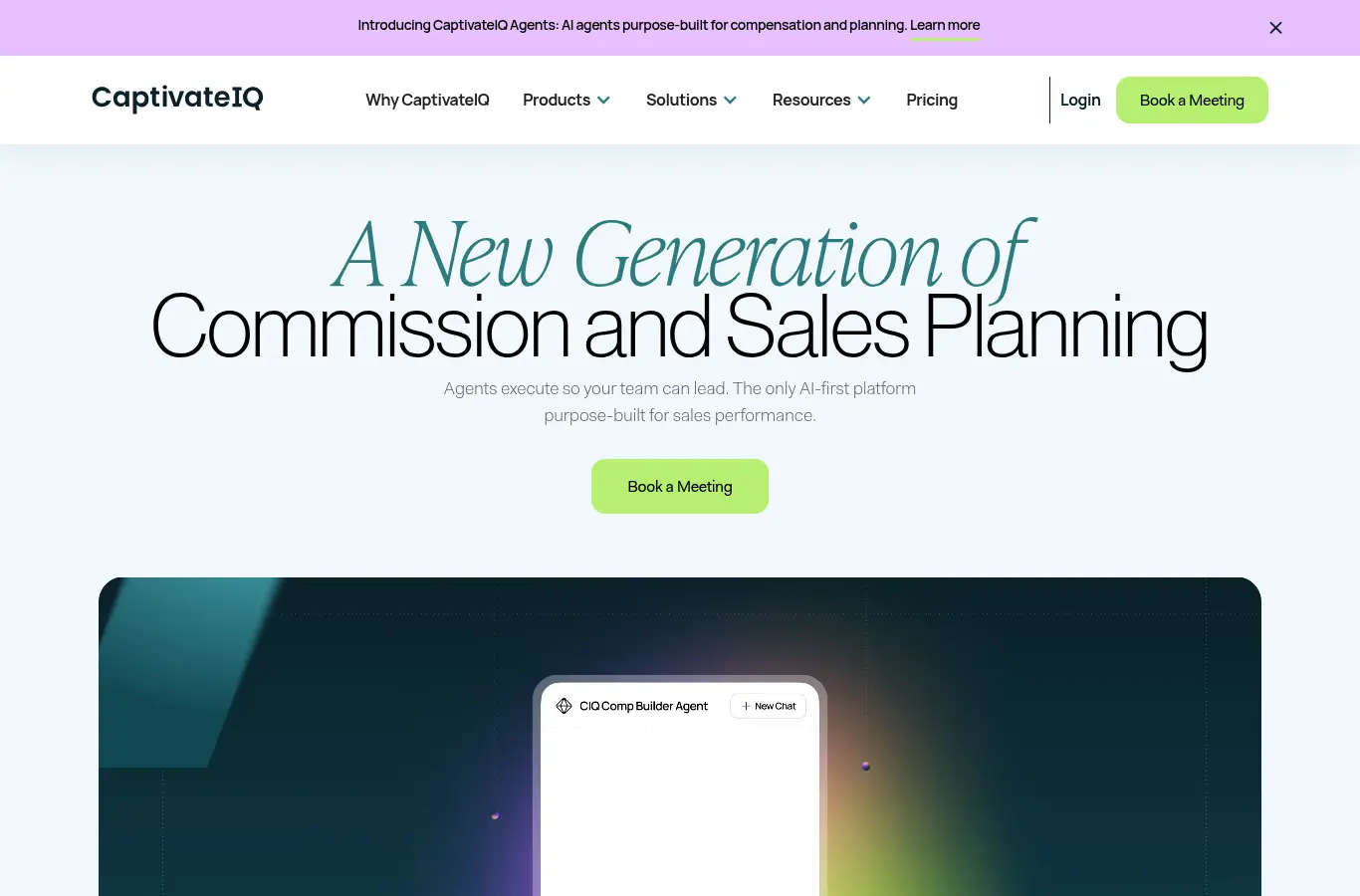
CaptivateIQ is the most common landing spot when plans outgrow Spiff. Both are modern tools with real-time visibility, and the difference only shows up once comp structures get genuinely awkward: overlays, multi-currency splits, clawbacks, and quarterly restructures that need modeling rather than configuring.
It is comp software, full stop. Nothing in it sets the quota it pays against, so if plans keep landing above what the team can carry, this is a smoother version of the same problem.
3. Xactly: the comp-led SPM suite
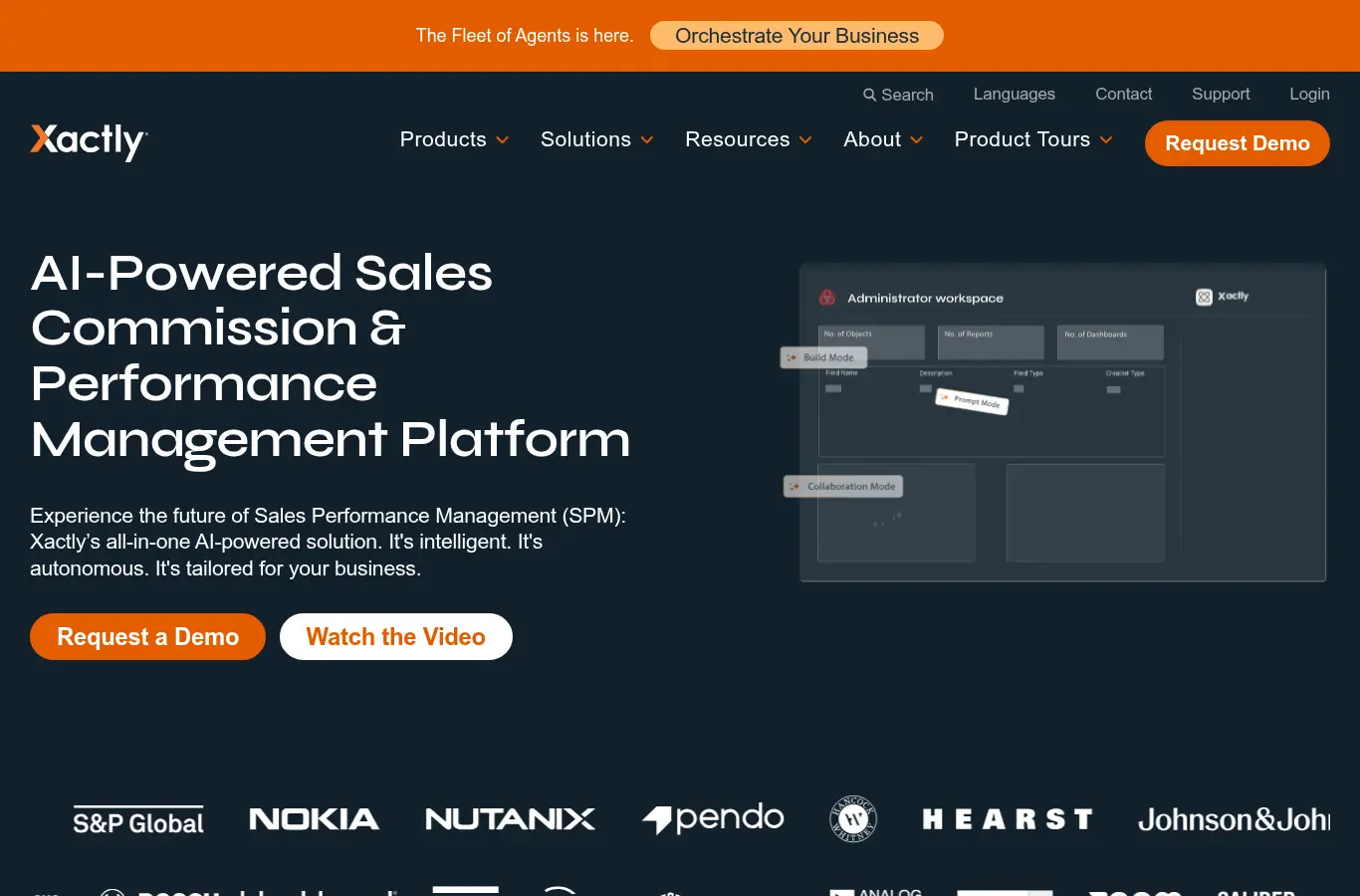
Xactly is the step into enterprise territory. Governance, audit trails, and the Insights benchmark dataset are the reasons teams move here, usually alongside a comp program that has grown past what a modern point tool was designed to carry.
You trade away the thing Spiff is best at. Rep experience is not the priority, implementation is heavier, and the planning modules exist without capacity math underneath them.
4. Performio: the most configurable ICM
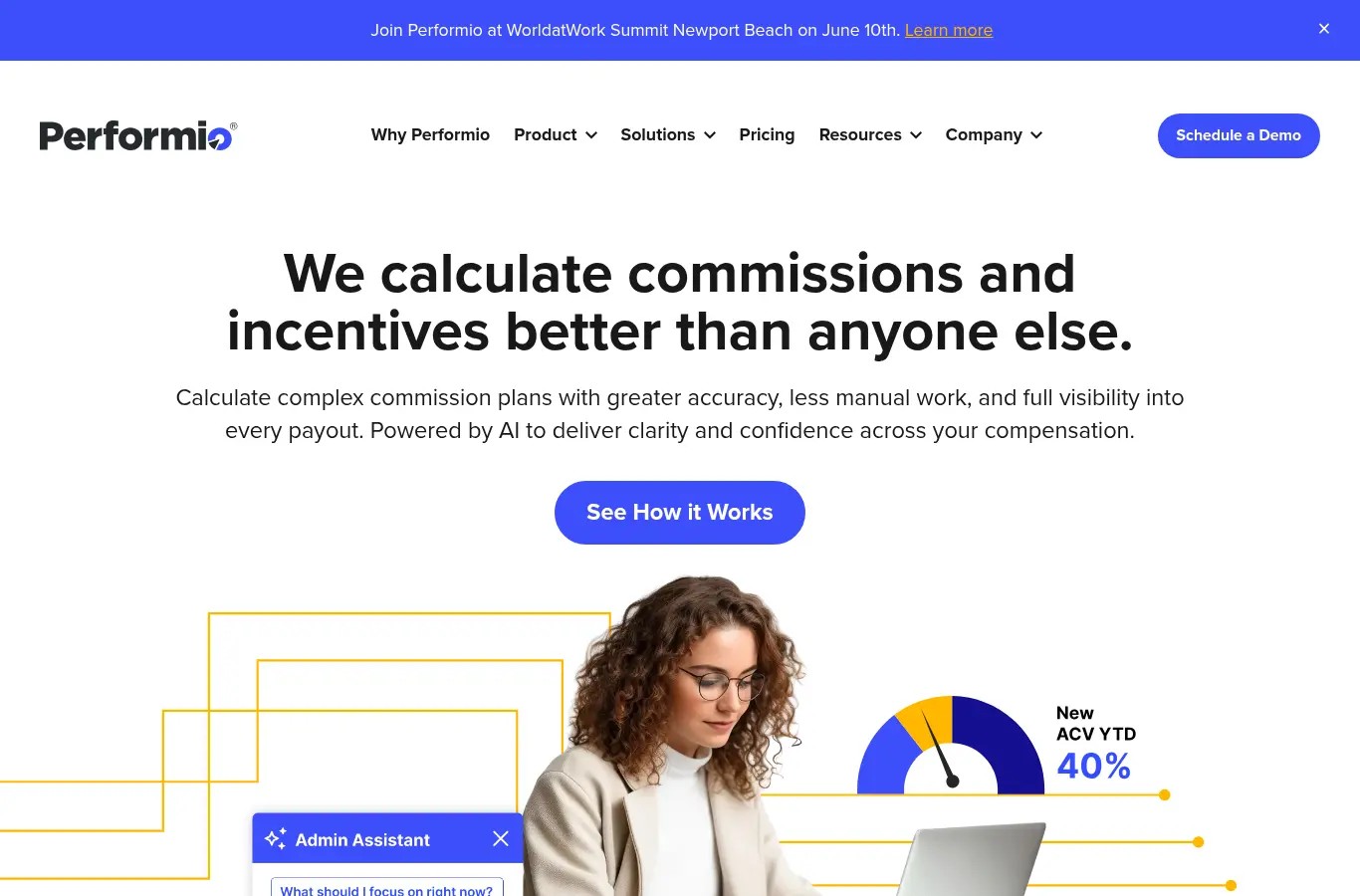
Performio matters most to teams whose reason for leaving is the Salesforce acquisition. It is an independent ICM vendor with a genuinely configurable engine, so comp administration no longer sits inside the same company as your CRM contract.
In scope it is a straight swap: comp administration for comp administration. Quota still arrives from wherever it arrived before, which for most SaaS teams is a spreadsheet with a growth assumption typed into it.
5. Everstage: the best comp engagement
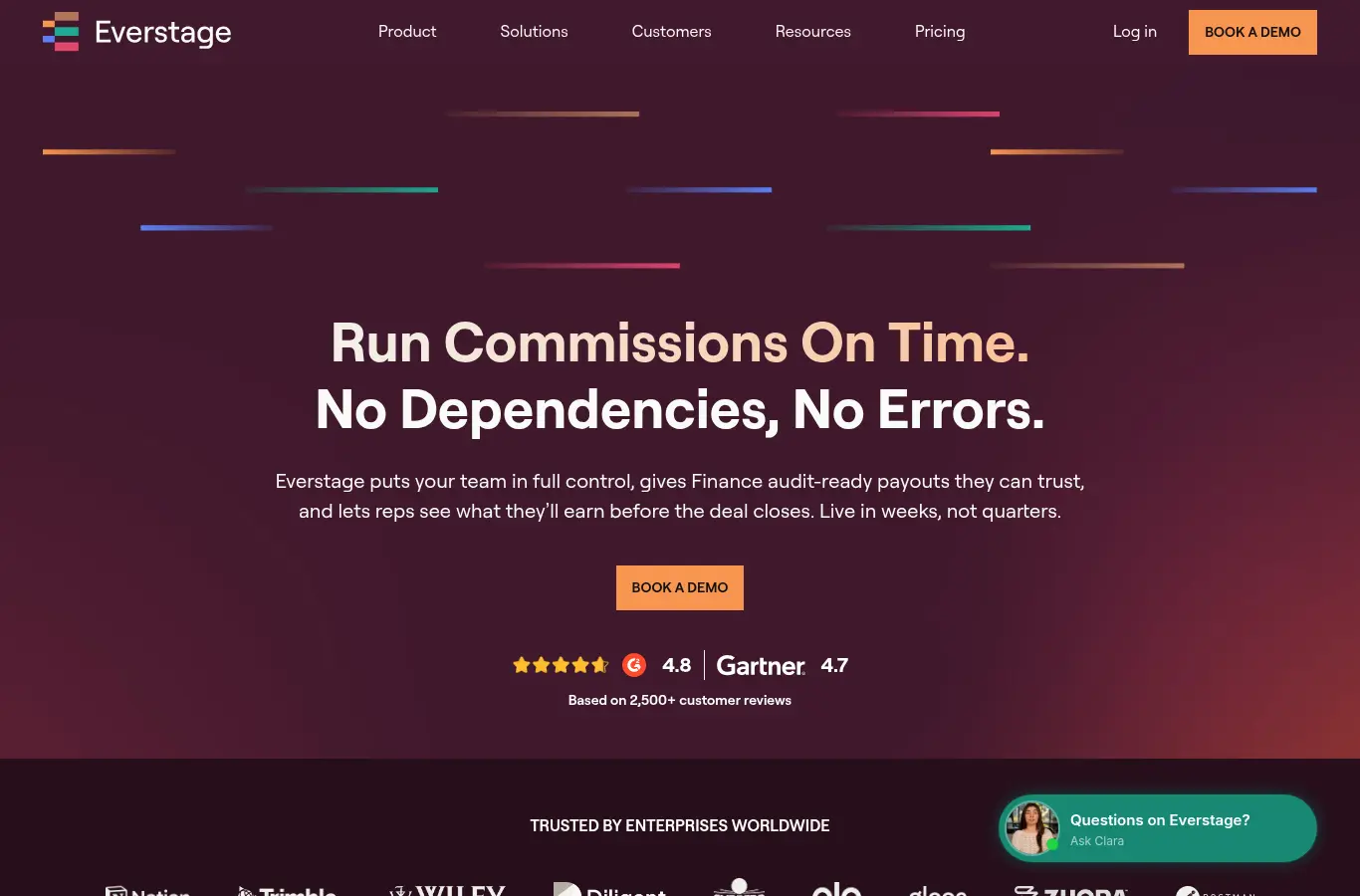
Everstage is the closest thing here to a like-for-like replacement. The same emphasis on what the rep sees, the same real-time commission visibility, similar gamification, and it competes hard on how fast it goes live.
If you liked Spiff and are leaving for commercial reasons rather than product ones, this is the shortest path. It carries the same boundary too: it pays the plan, it does not size it.
6. SAP Commissions: the enterprise comp standard
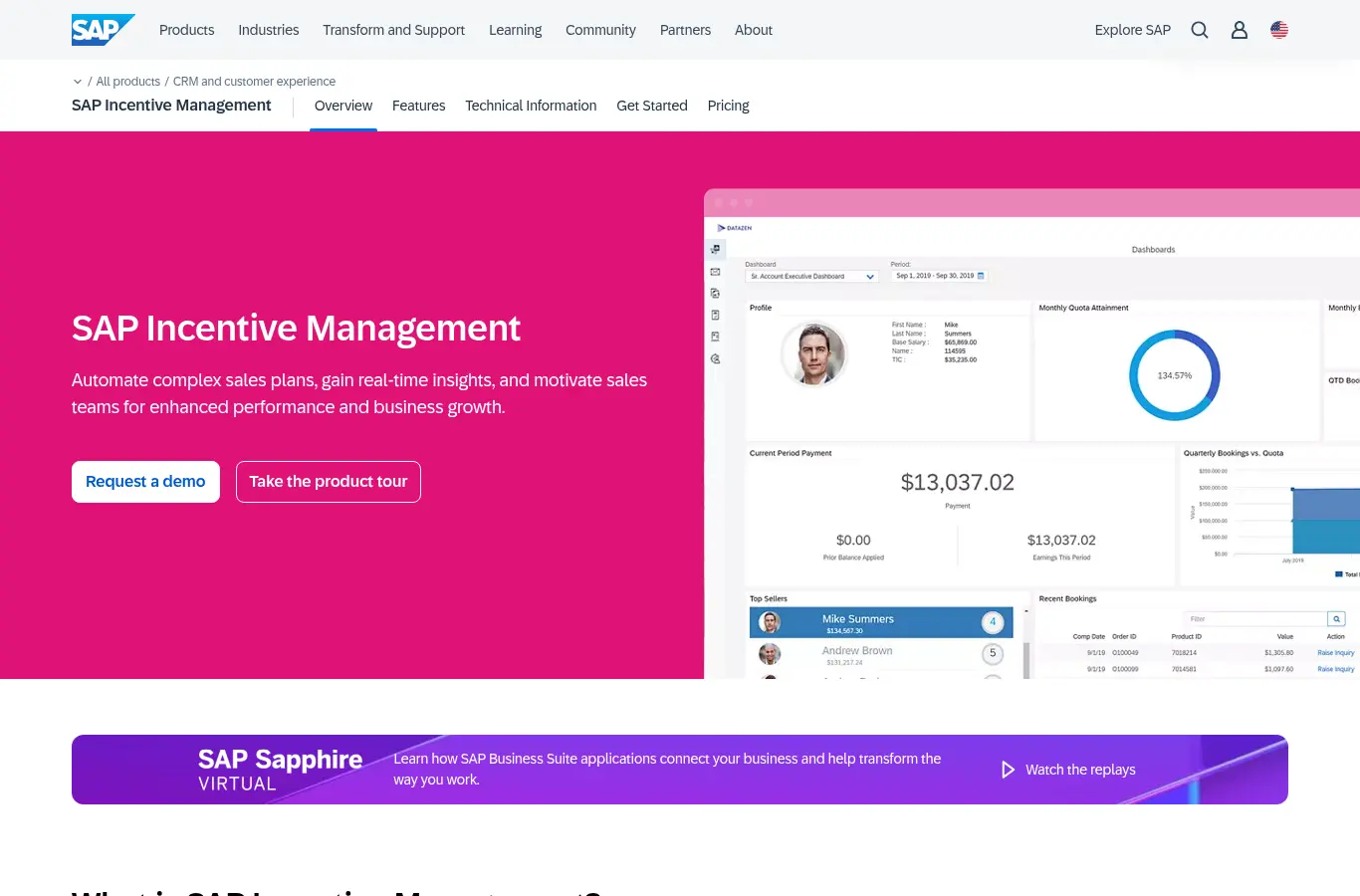
SAP Commissions is a different order of tool. Teams arrive here because the comp program spans entities, currencies, and jurisdictions in ways a modern point tool was never built for, and because the audit requirements are not negotiable.
It is heavy, the implementation is a project rather than a setup, and most buyers are already inside the SAP ecosystem. Nothing about it speaks to whether the quotas being paid were achievable.
7. Forma.ai: comp as a managed service
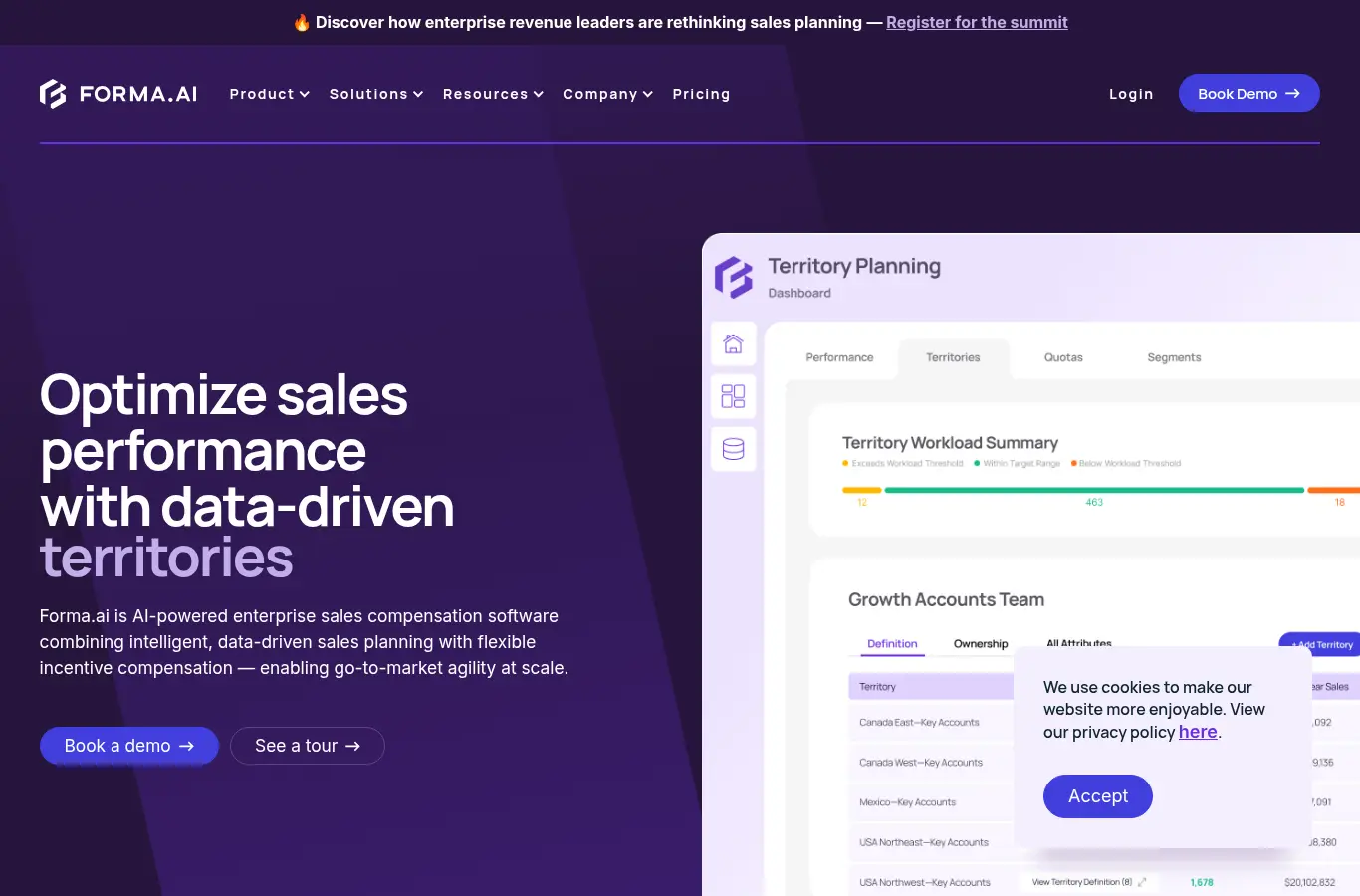
Forma.ai answers a different question. Not which tool should administer comp, but whether your team should be administering it at all. It runs comp as a partly managed service, with plan design and administration handled by the vendor’s team on top of the platform.
That suits enterprises where comp admin has quietly become two people’s full-time job. It is a comp partner rather than a planning tool, and the quota-to-capacity question stays exactly where it was.
When to switch, and when to stay
Stay with Spiff, or pick another commission tool, when your core job is paying reps accurately and transparently and you value a clean rep experience. Choose CaptivateIQ or Performio for more plan flexibility, or Forma.ai to have comp run as a managed service.
Add a capacity-first tool like Lative when the misses trace back to quotas set above what the team could carry, or when ramp and attrition break the plan mid-year. Most teams run both: capacity and quota planning upstream, commission downstream. See how they connect on our sales capacity planning hub.
Frequently asked
What is the best Spiff alternative for SaaS sales?
For a like-for-like commission engine, CaptivateIQ, Performio, and Everstage are the closest options, and Xactly or SAP Commissions suit larger, more complex plans. If your real gap is setting quota to what the team can carry rather than paying against it, a capacity-first tool such as Lative is the better fit.
Is there a Spiff alternative that is not tied to Salesforce?
Yes. CaptivateIQ, Performio, Everstage, and Xactly all run independently of Salesforce and integrate with multiple CRMs. If part of your reason for leaving Spiff is its move into the Salesforce platform, those tools keep comp stack-agnostic.
What is the difference between Spiff and Lative?
Spiff is a commission engine: it calculates and pays incentives in real time. Lative plans capacity and sets quota to it; it does not calculate a single payout. Spiff pays on the number; Lative makes sure the number was achievable.
Can you use Lative and Spiff together?
Yes. Lative plans capacity and sets quota to what the team can produce, then Spiff pays commission against that quota in real time. Planning sits upstream, payout downstream.
Is there a cheaper Spiff alternative?
Most commission tools, Spiff included, are custom-quote, so comparing price means talking to each vendor. Newer platforms such as Everstage and CaptivateIQ target scaling teams and can be lighter to run. Always confirm the current rate for your seat count and plan complexity.
See it in action. Book a Lative demo and see how it sets quota to real, ramp-adjusted capacity before commission ever pays against it.
Werner Schmidt — Werner Schmidt is the CEO and Co-founder of Lative, with over 20 years of experience in Revenue Operations with companies including Forcepoint, Aruba Networks, Citrix, and Sage.