
Sales performance management software spans three jobs, quota and territory planning, incentive compensation, and performance insight, and most tools lead with the middle one. The result is a market full of excellent comp engines that pay flawlessly on quotas nobody checked against capacity.
The Bridge Group’s 2024 SaaS AE Metrics Report (170+ B2B SaaS companies) found 51% of AEs hit quota. A comp engine can pay perfectly for a year the team never had the capacity to hit; the plan was wrong before the first payout.
One disclosure: Lative is our product, and it appears as the upstream piece: it sets quota to real capacity before comp ever pays against it. It is judged on the same criteria as everyone else, including what it is not.
Quick picks by use case
- Best capacity-aware quota layer: Lative
- Best comp-led SPM: Xactly
- Best territory-quota-comp suite: Varicent
- Best enterprise modeling: Anaplan
- Best rep-friendly commissions: Salesforce Spiff
- Best flexible comp: CaptivateIQ
- Best configurable ICM: Performio
- Best enterprise comp: SAP Commissions
- Best comp engagement: Everstage
- Best managed comp: Forma.ai
- Best CRM-native quota: Salesforce Sales Planning
- Best free starting point: Spreadsheets
Comparison at a glance
| Tool | Best for | Pricing | Standout |
|---|---|---|---|
| Lative | Quota set to capacity | Custom quote, no per-user | Quota in ramped equivalents |
| Xactly | Comp-led SPM | Custom quote | Comp plus benchmark data |
| Varicent | Territory, quota and comp | Custom quote | One SPM suite |
| Anaplan | Enterprise modeling | Custom quote | Multi-domain planning |
| Salesforce Spiff | Rep-friendly commissions | Custom quote | Real-time comp visibility |
| CaptivateIQ | Flexible comp | Custom quote | Complex plans without IT |
| Performio | Configurable ICM | Custom quote | Reliable comp administration |
| SAP Commissions | Enterprise comp | Custom quote | Largest, most complex plans |
| Everstage | Comp engagement | Custom quote | Rep motivation and clarity |
| Forma.ai | Managed comp | Custom quote | Comp as a managed service |
| Salesforce Sales Planning | CRM-native quota | Add-on to Sales Cloud | Native carving on trusted data |
| Spreadsheets | Early-stage teams | Free | Total flexibility |
Pricing verified on vendor pricing pages in June 2026 where published; custom-quote vendors do not list rates. Always confirm current pricing directly.
How we evaluated
SPM spans three jobs, and most tools lead with one. Quota and territory planning: are targets set to what the team can carry, or handed down and hoped for? Incentive compensation: does comp calculate accurately and pay on time? Performance insight: can leaders see attainment and plan effectiveness? The comp engines on this list are strong at the middle job; the one most orgs skip is the first, setting quota to capacity, which is why a comp plan can pay flawlessly for a year the team never had the capacity to hit.
The 12 best SPM tools in 2026
1. Lative: best capacity-aware quota layer
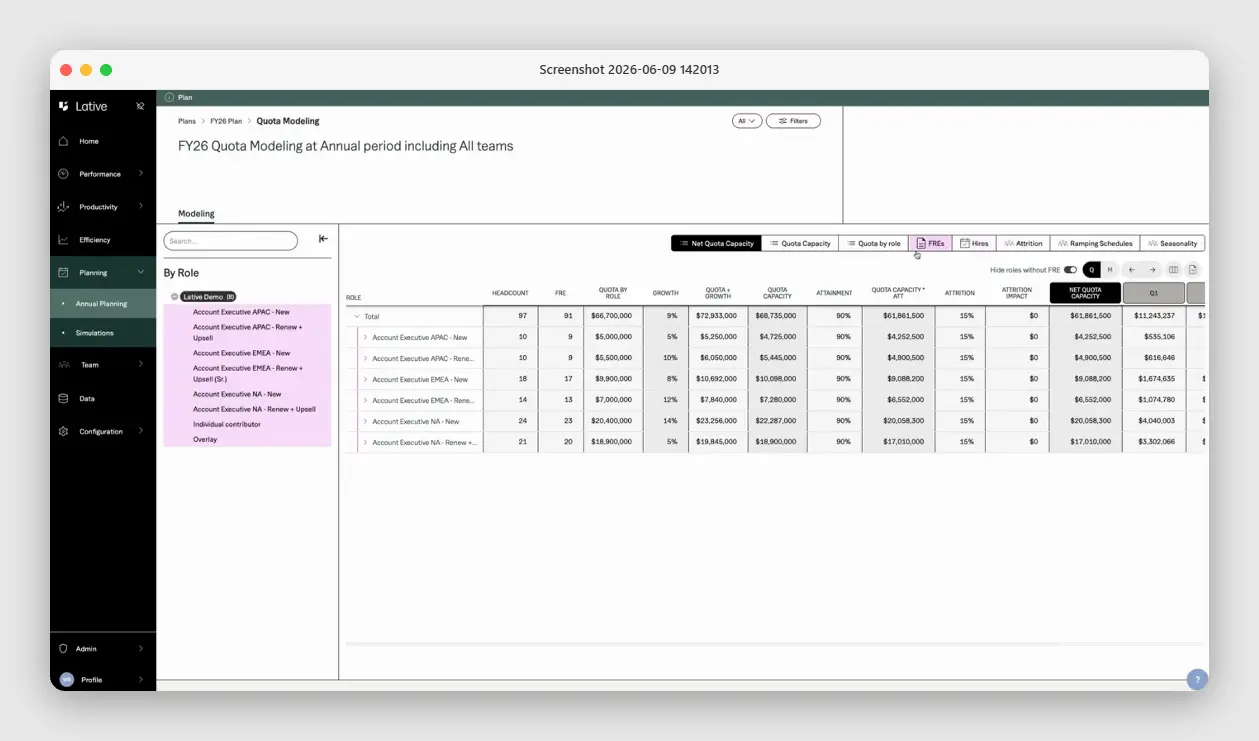
Full disclosure: Lative is our product, so weigh this with skepticism. In an SPM list it is the upstream piece: it sets quota to real productive capacity before comp ever pays against it. Every comp engine here pays accurately on a number; Lative makes sure that number was achievable in the first place, ramp-adjusted and reconciled to target.
It is not a commission or comp-administration tool; it does not calculate payouts or run comp plans. It plans the capacity and quota the comp engine pays against, so pair it with an ICM tool to close the full plan-to-pay loop.
2. Xactly: best comp-led SPM
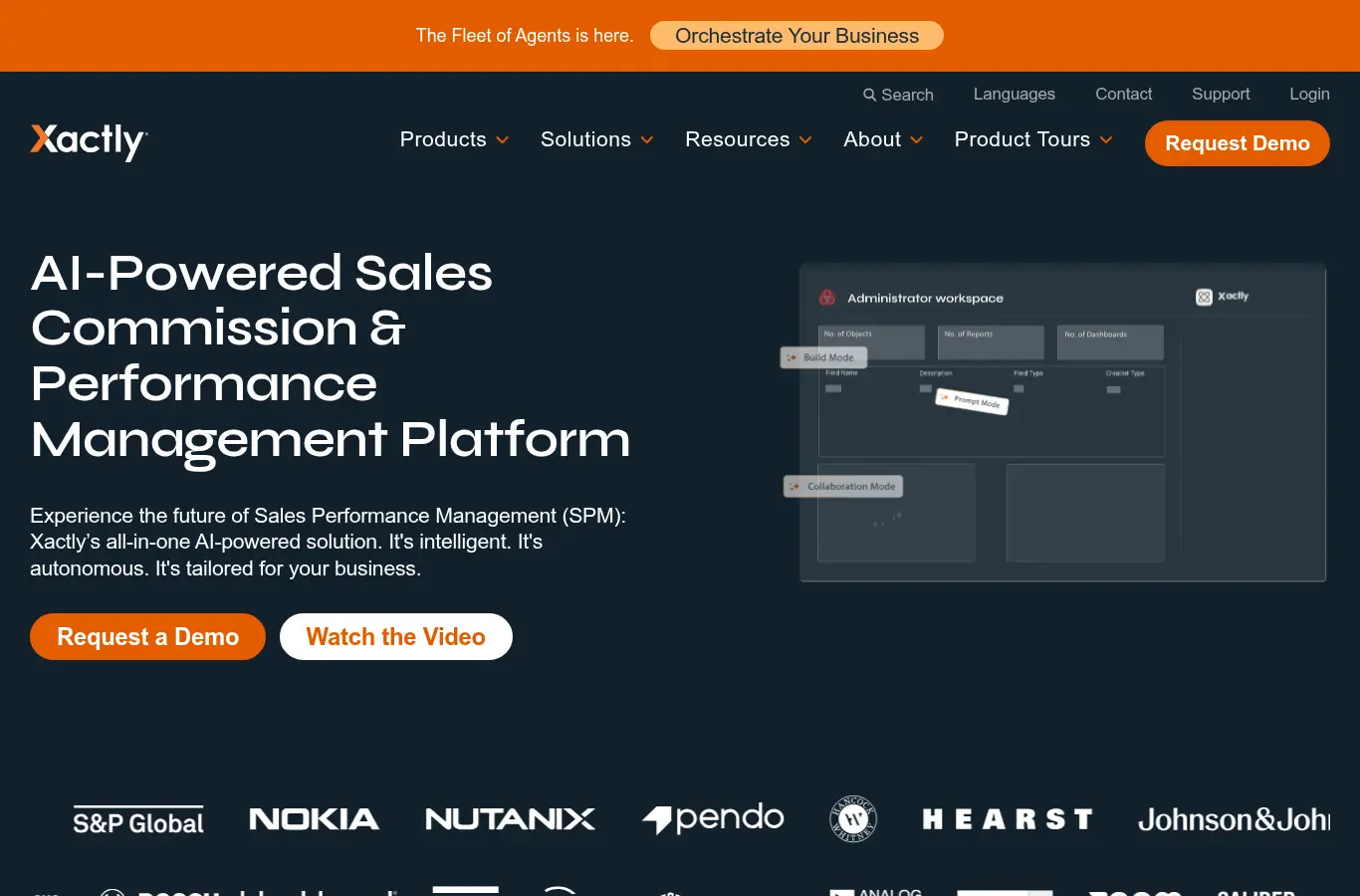
Best known for incentive compensation, with planning modules and a benchmark dataset accumulated over years of comp data. Sensible when comp should share a vendor and you value the benchmarking.
It is comp-led: the plan serves the comp model rather than the other way around, and ramp-cohort math is not a native object. Buy it for comp first.
3. Varicent: best territory-quota-comp suite
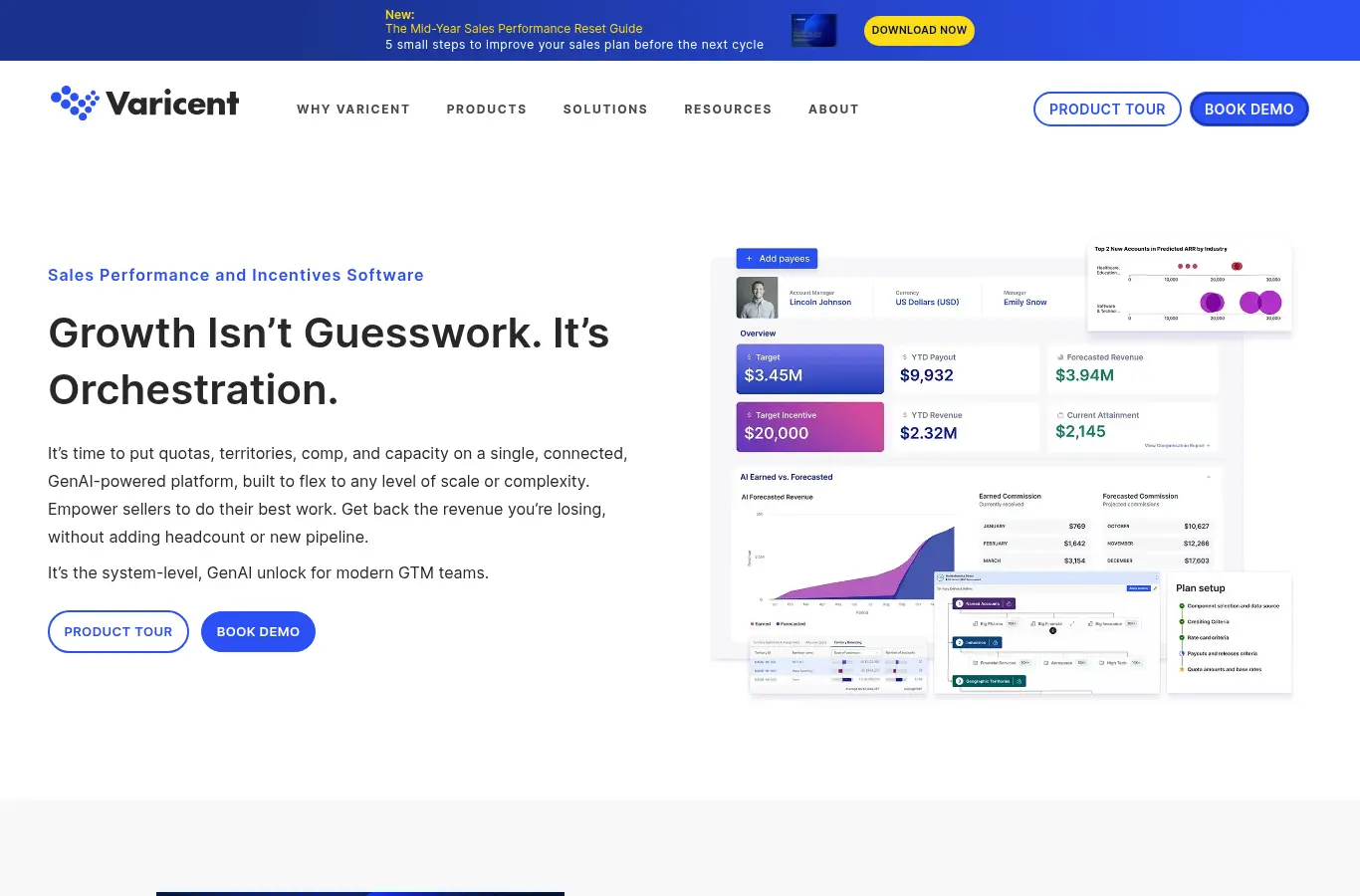
Sales performance management with deep roots in territory, quota, and incentive planning for larger sales orgs. It is the right neighborhood when this job needs to live next to comp administration.
Its center of gravity is SPM, so this capability is one among many rather than the core product, and the depth is lighter than in a purpose-built tool.
4. Anaplan: best enterprise modeling
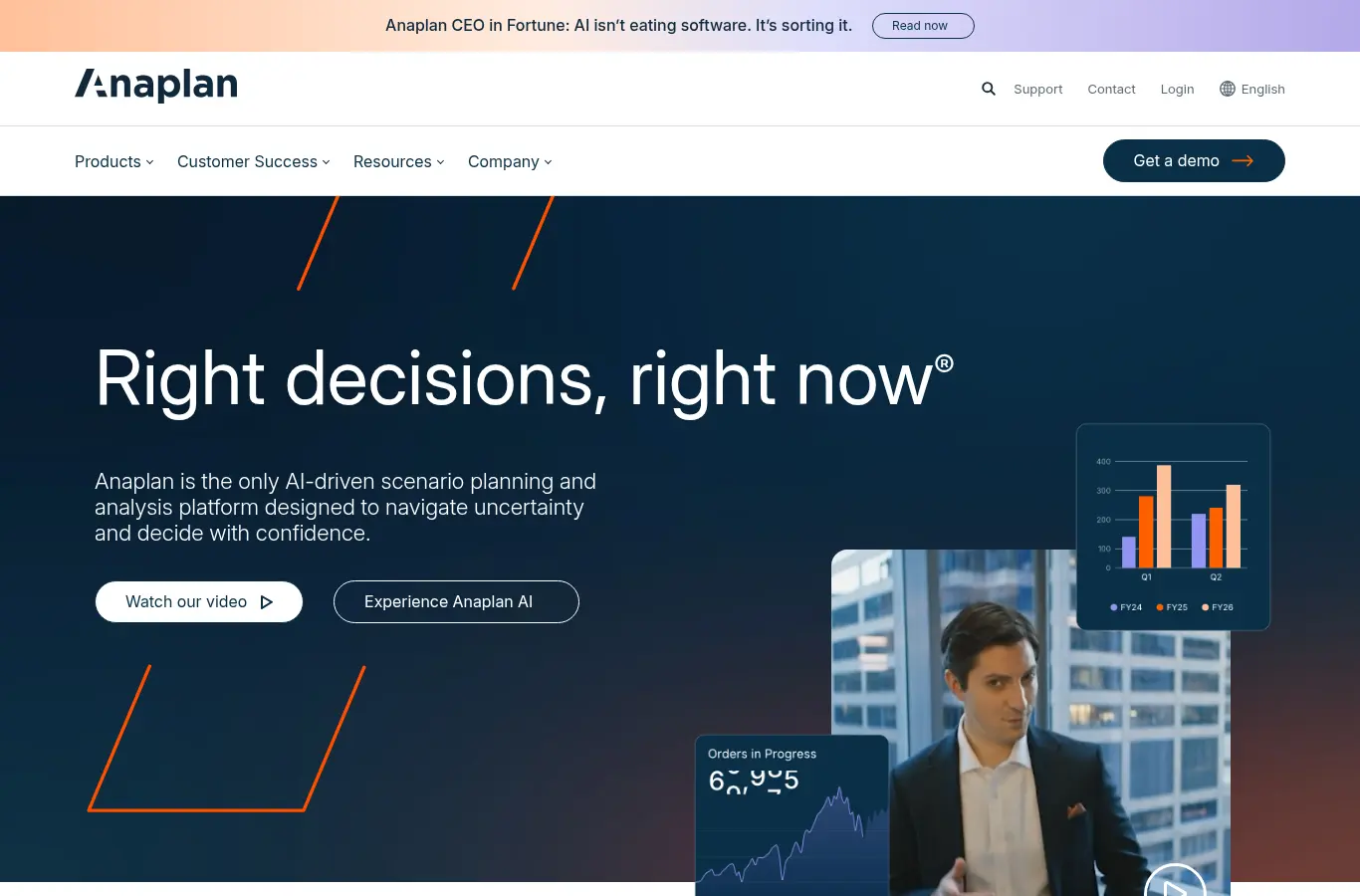
Enterprise connected planning with near-unlimited modeling flexibility across finance, sales, and operations. It is the default when a dedicated planning team owns a multi-domain model and this problem is one province of a much larger map.
The trade-off is weight: implementations run in months, model maintenance is a standing job, and the domain logic is yours to build inside the platform. For a single job it is more platform than the problem needs.
5. Salesforce Spiff: best rep-friendly commissions
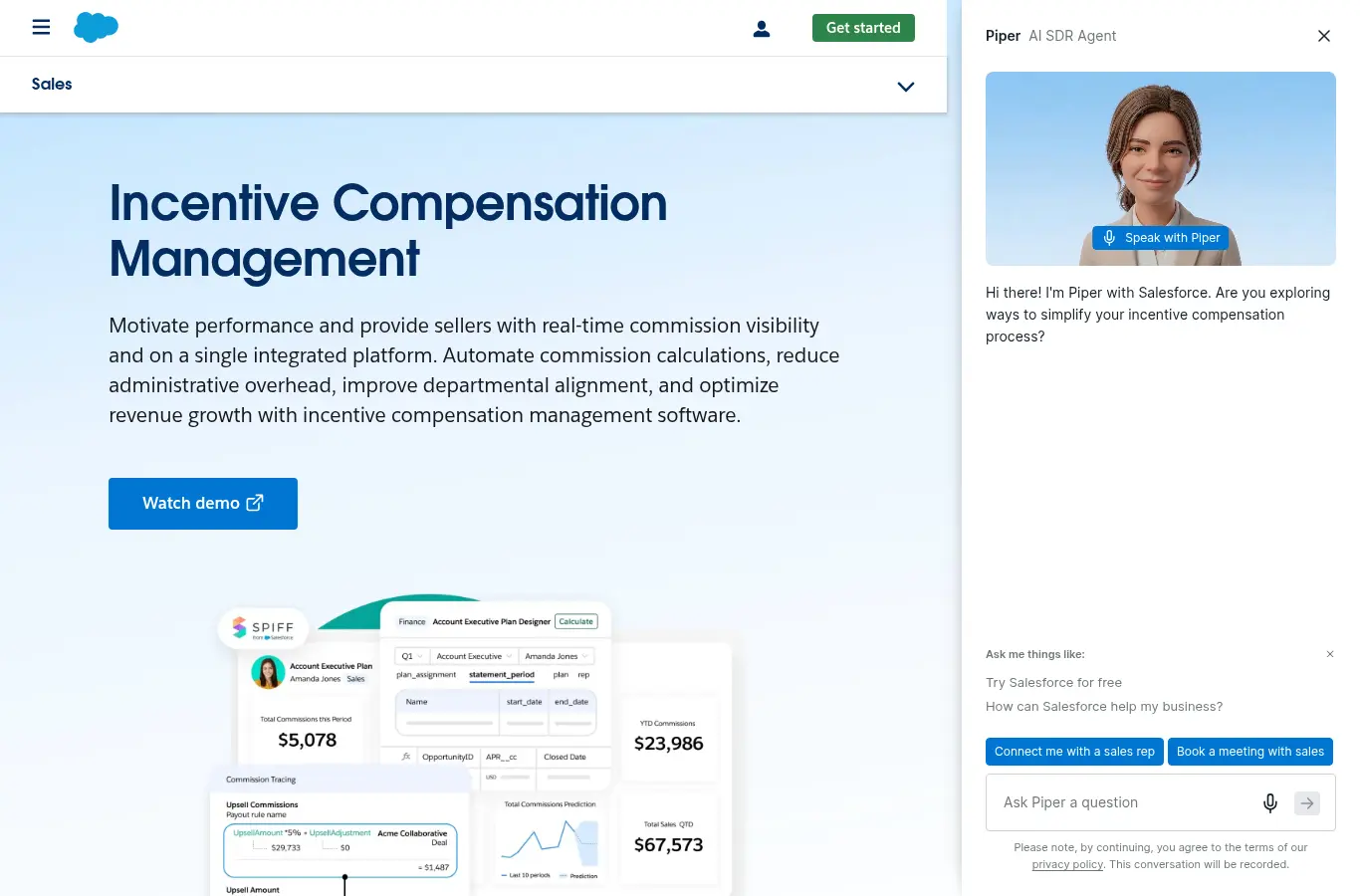
Modern incentive compensation management, now part of Salesforce, known for a rep-friendly experience and real-time commission visibility that reduces comp disputes.
It is a payout engine: it pays accurately on attainment, but it does not set quotas to capacity or model the plan behind them.
6. CaptivateIQ: best flexible comp
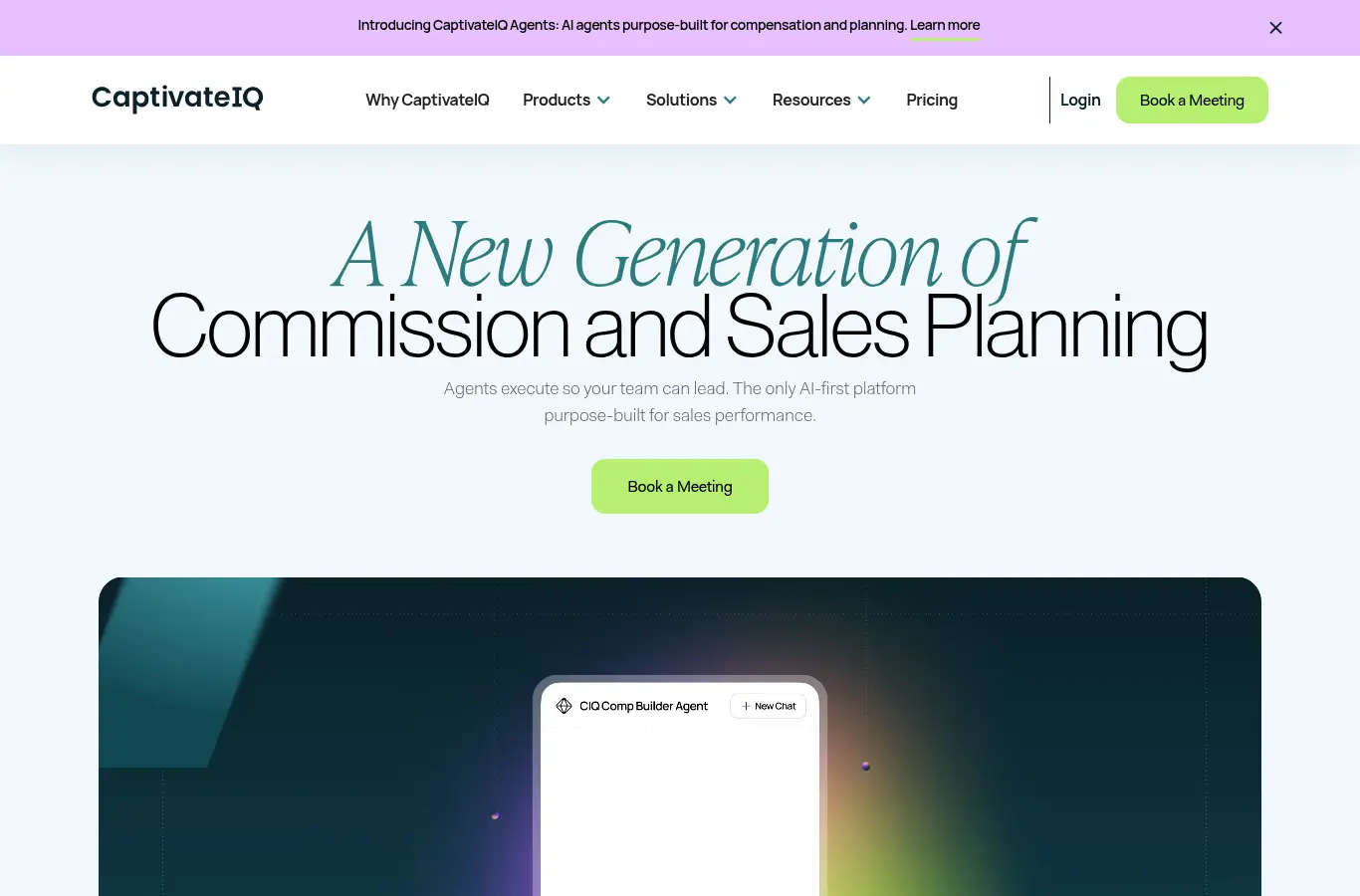
A flexible incentive compensation platform built for complex, frequently changing comp plans without heavy IT involvement. Strong for scaling teams that iterate on comp.
It is comp-first: excellent at calculating and paying commission, but the quota it pays against still needs to be set by a capacity-aware planning tool.
7. Performio: best configurable ICM
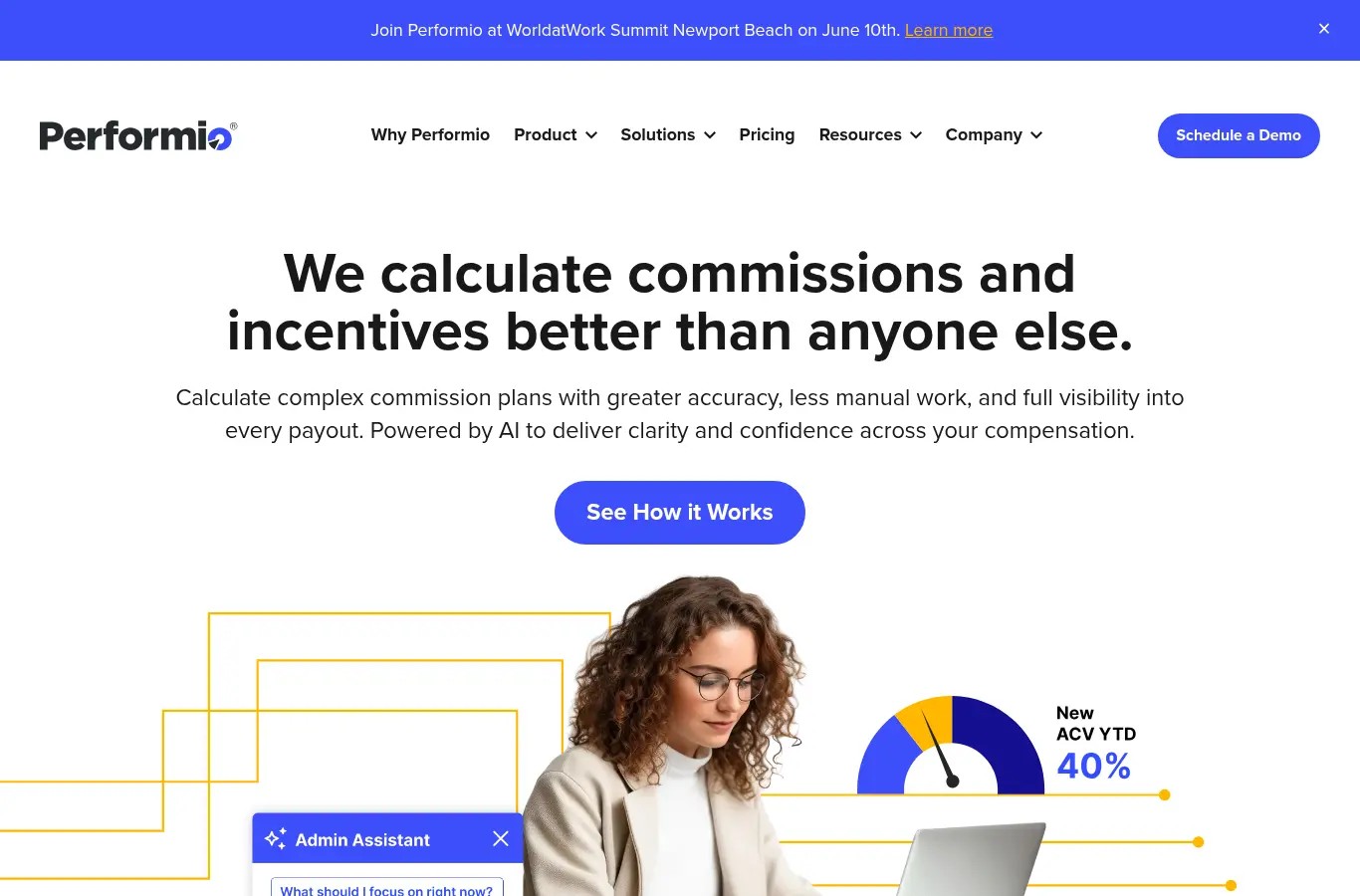
Incentive compensation management with a configurable engine and solid plan flexibility, aimed at mid-market and enterprise teams that want reliable comp administration.
Like all ICM tools it is comp-led: it administers and pays plans well, but does not model capacity or set quota to what the team can deliver.
8. SAP Commissions: best enterprise comp
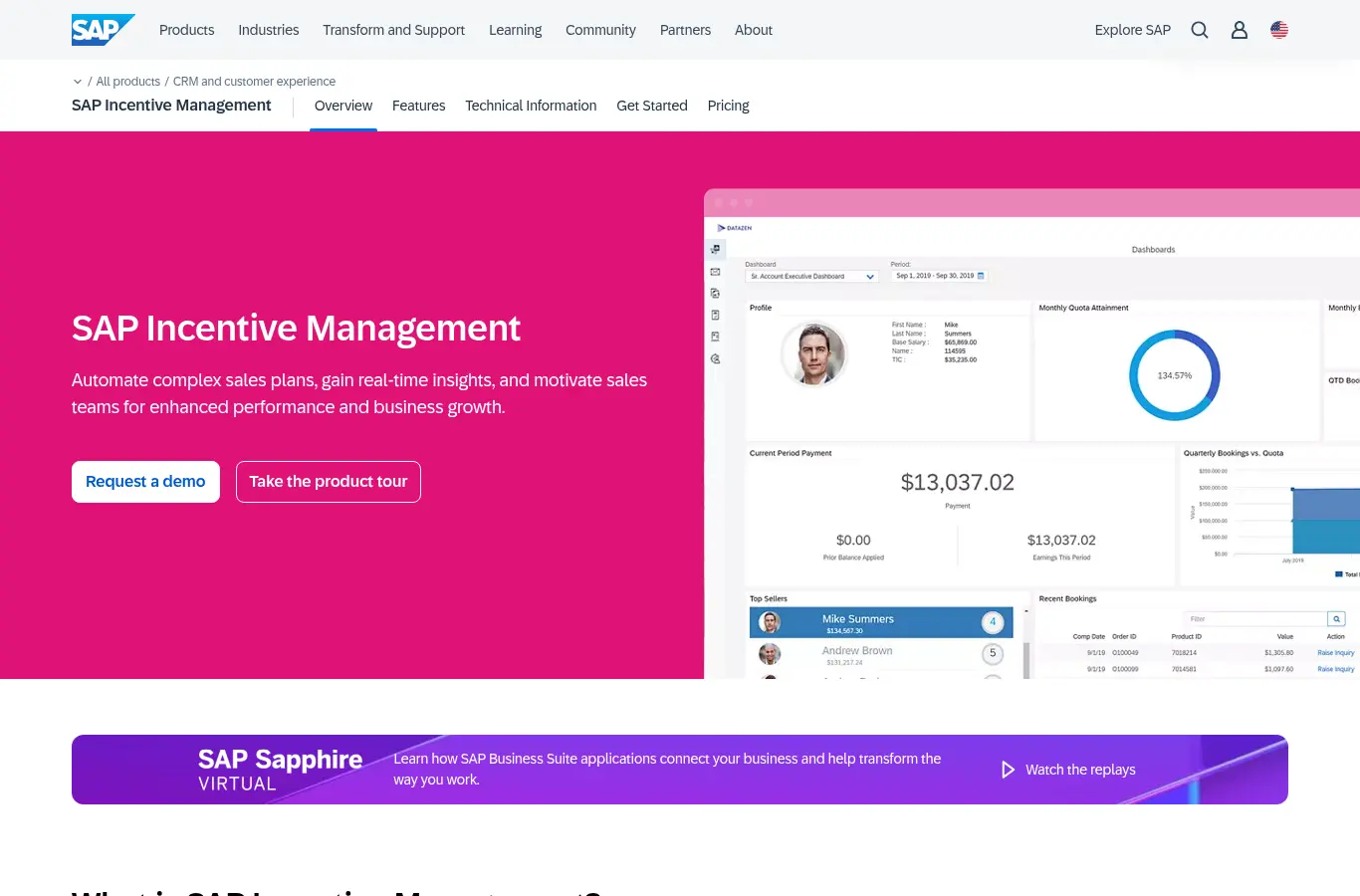
Enterprise incentive compensation management for the largest, most complex sales comp programs, with the scale and governance big enterprises require.
It is enterprise comp infrastructure, heavy to implement and comp-focused by design. Quota-to-capacity planning is a separate discipline it does not cover.
9. Everstage: best comp engagement
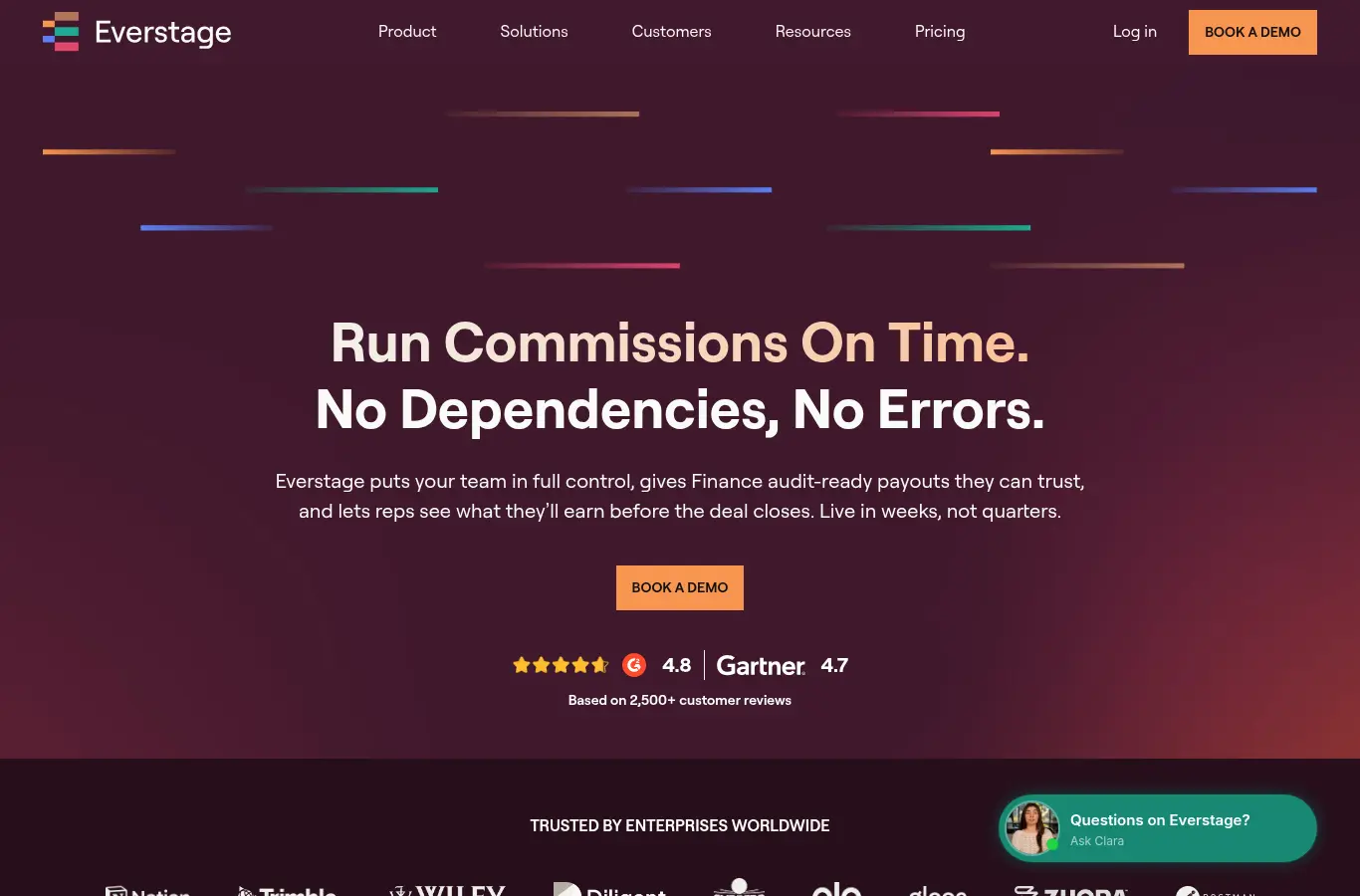
A modern incentive compensation platform focused on rep engagement, gamification, and transparent, real-time commission tracking for scaling sales teams.
It is comp-first: strong on motivation and payout accuracy, but the quota it pays against still needs a capacity-aware plan behind it.
10. Forma.ai: best managed comp
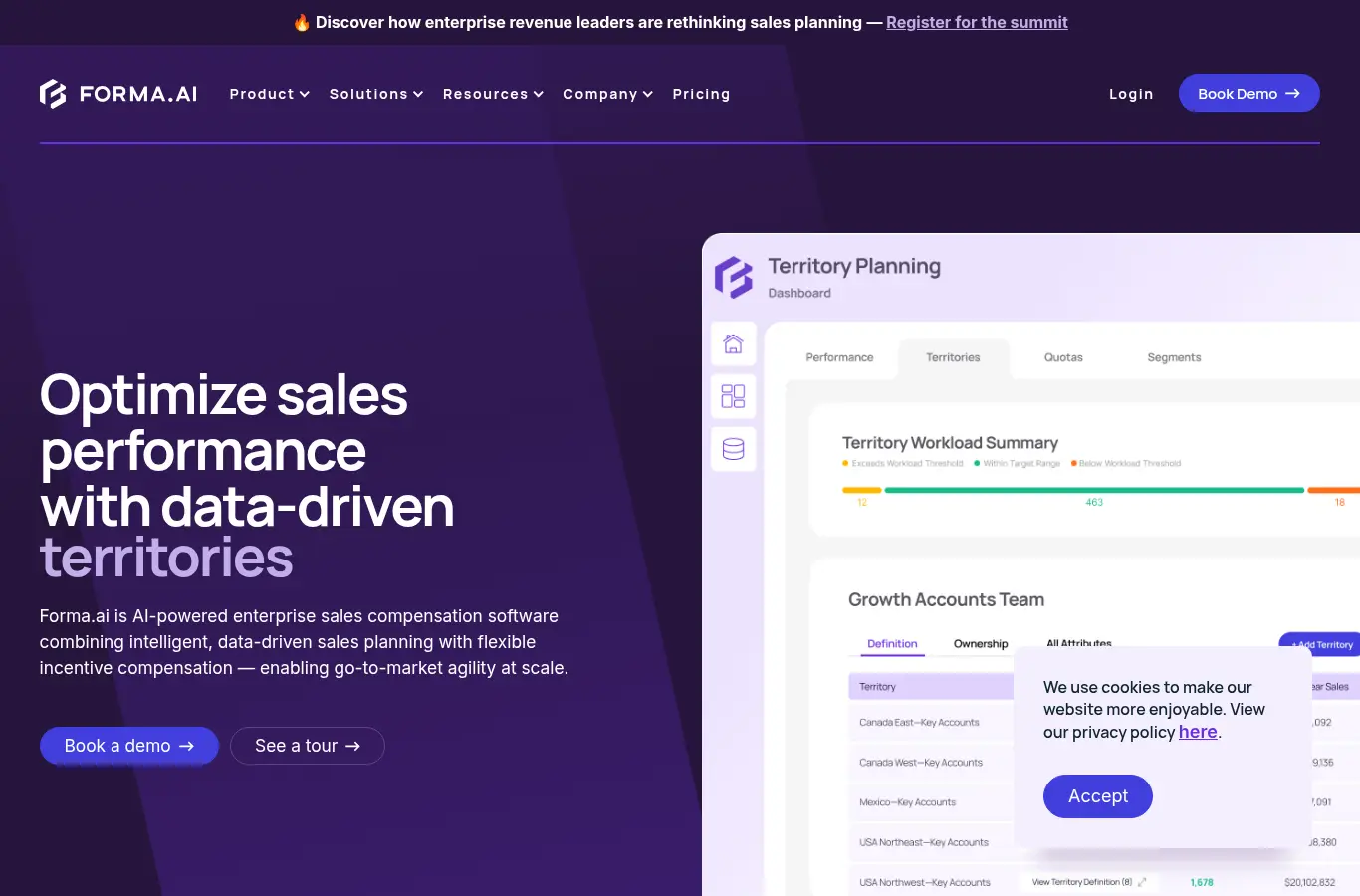
An enterprise sales-compensation platform that runs comp as a data-driven, partly managed service, handling complex plan design and administration for large orgs.
It is a specialized comp partner, not a planning tool. It optimizes and administers incentives; capacity and quota-to-capacity planning are a different job.
11. Salesforce Sales Planning: best CRM-native quota
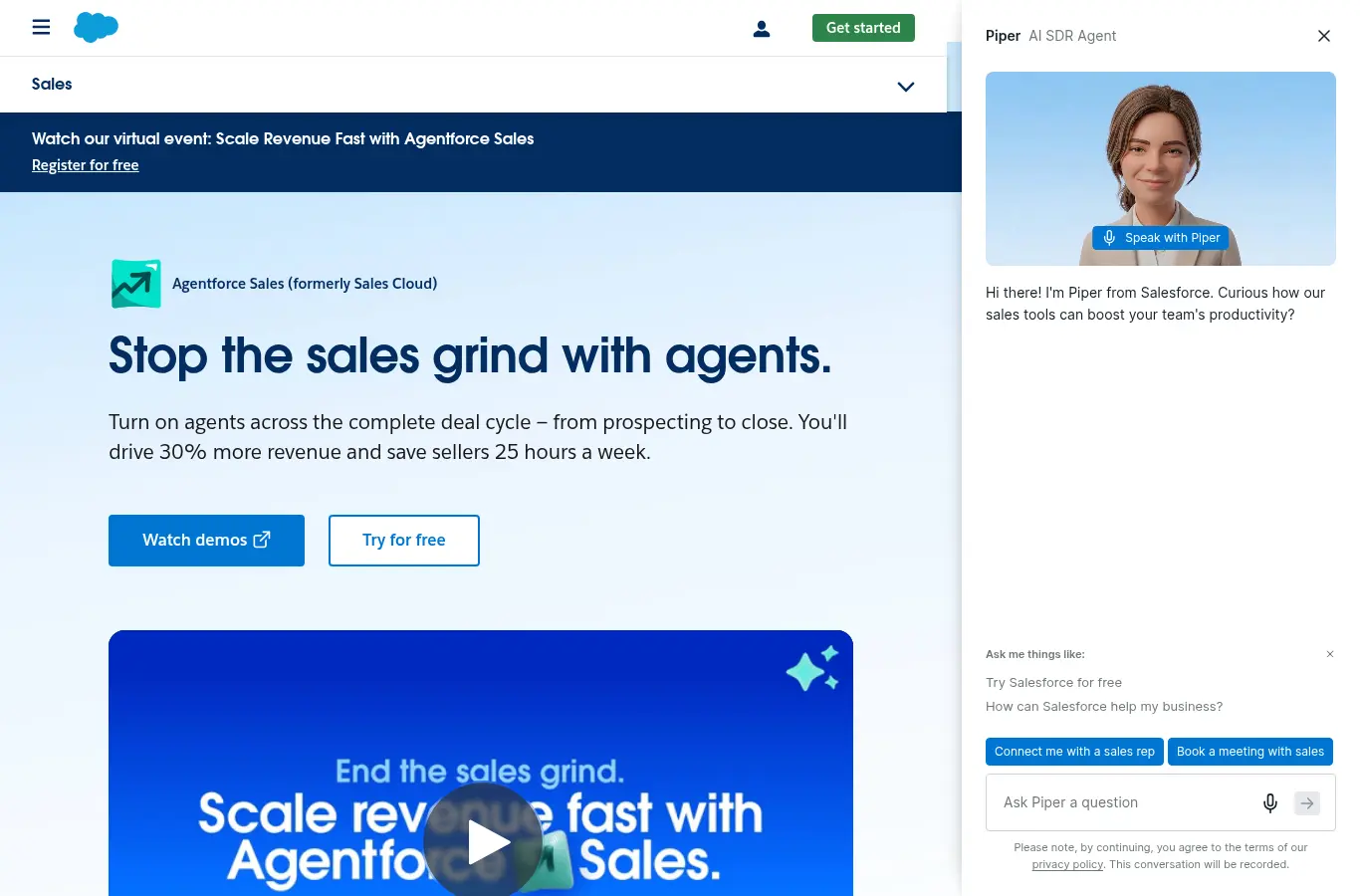
Native planning and reporting inside Salesforce, on data your team already trusts and maintains. No integration project, and fine for straightforward work alongside the CRM reps live in every day.
It is lighter than dedicated tools on ramp-adjusted capacity and continuous scenario modeling, which is where plans break mid-year. It handles the CRM job; it does not model the team that delivers the number.
12. Spreadsheets: best free starting point
Where a lot of planning still happens, and genuinely fine early: a disciplined sheet beats no model at all, and the flexibility is total.
The breaking point is structural. Multiple segments, cohort hiring, and mid-year changes turn the sheet into three diverging copies owned by finance, RevOps, and the CRO. When reconciling versions takes longer than planning, a model has to take over.
How to pick
- Comp is the burning problem. Xactly, CaptivateIQ, Salesforce Spiff, or Everstage, chosen on plan complexity and rep experience.
- Enterprise, full-suite administration. Varicent or Anaplan, with a real planning team budgeted.
- Targets need to be achievable, not just paid. Lative for capacity-derived quota and territory, feeding whichever comp engine you run.
- Audit and compliance lead. Performio or SAP Commissions.
The SPM operating cadence the software should support
Whatever you buy, performance management runs on a rhythm, and the tooling should make each beat cheap. Monthly: attainment distribution review, not the average, by tenure band and segment, with ramping cohorts tracked against their curve rather than against tenured peers.
Quarterly: the health check across all four components, distribution healthy, territories above the opportunity threshold, comp cost of sales on plan, and any planning assumption invalidated by product or market changes routed to an owner.
Annually: the full rebuild, capacity model refreshed from trailing actuals, territories rescored, quotas re-derived, comp plans redesigned against the new numbers, in that order. Software that makes the monthly beat a one-click view and the annual rebuild a model refresh, rather than a six-week spreadsheet excavation, is earning its license fee; software that only accelerates payday is solving a fifth of the job.
A worked example: the comp engine that paid perfectly for a bad year
A hypothetical 40-rep org rolls out a tier-one comp platform: payouts accurate to the penny, disputes near zero, statements beautiful. Attainment lands at 47%, morale follows it down, and four of the top ten reps leave by Q3. The post-mortem finds nothing wrong with comp, because nothing was wrong with comp.
Quotas had been set by dividing a stretch target across heads, two thin territories were carrying unachievable numbers for the second straight year, and the January hiring class was quota-bearing at full freight from month one despite a seven-month ramp.
The comp engine did its job: it paid precisely against planning failures. Adding the capacity layer the following cycle, quotas from net quota capacity, ramped quotas for new cohorts, territories scored on opportunity, moved attainment to 68% with the same people and the same comp plans. SPM that starts at the comp engine optimizes the last mile of a broken road.
What to ask in every SPM demo
Three questions expose the comp-led bias quickly. Ask the vendor to derive a quota, not store one: given a rep with $850K trailing production, month five of a seven-month ramp, and a territory scored at 3.2x quota potential, what number does the system propose? If the answer is “whatever you import,” the planning layer is a spreadsheet with an API.
Ask what happens to quota and the coverage check when a territory is split mid-year: connected systems recalculate, administrative systems open a ticket. And ask for the attainment distribution view by tenure band, because if the platform cannot separate ramping cohorts from tenured reps, every performance review it powers will punish your newest hires for being new.
Common buying mistakes
Comp-first sequencing. Buying the commission engine before fixing quota and territory design automates payment against the wrong numbers. Plan capacity, then quota, then comp; see how to set quotas.
Mistaking administration for management. Administering quotas (storing, distributing, paying) is not managing performance. The management is in the derivation: what should this number be, given this rep, this patch, this ramp position?
Ignoring the attainment distribution. A healthy SPM system shows 60 to 80% of ramped reps at quota. Consistently below 50% indicts the planning inputs, not the people, and no comp redesign fixes it.
Letting comp artifacts poison the planning data. Attainment clustering just below accelerator thresholds is comp design showing through. Feed it raw into next year’s quota model and the distortion compounds.
Frequently asked
What is sales performance management software?
Software covering the connected system of territory design, quota setting, incentive compensation, and performance measurement. Most platforms are comp-led; the strongest setups add a capacity-based planning layer.
What is the difference between SPM and incentive compensation management?
ICM is the comp engine: plans, calculations, payouts. SPM is the full system including the quota and territory design the comp engine pays against. Many products labeled SPM are ICM with planning features.
What should come first, comp software or planning software?
Planning. Accurate payouts against unachievable quotas accelerate attrition rather than performance. Derive the targets from capacity first, then automate the paying.
What is a healthy quota attainment rate?
60 to 80% of ramped reps at or above quota. Below 50% consistently signals quota-setting or territory problems; above 90% usually means soft quotas and overpaid commissions. See what is quota attainment.
Can SPM software fix low attainment?
Only if the cause is administrative. When the cause is planning, quotas above capacity, unbalanced territories, ignored ramp, the fix is the planning layer, not a better comp engine.
One final sequencing note: if budget forces a choice between upgrading the comp engine and adding the planning layer, take the planning layer. A spreadsheet can pay commissions for one more year; nothing in a comp tool can derive an achievable quota, and the cost asymmetry between a payout error and a mis-set quota cycle is roughly two orders of magnitude.
The best SPM stack pays reps accurately for targets that were realistic to begin with. Plan the capacity first, then the comp. See the full sales capacity planning guide, or book a demo to see quota modeling that makes the comp engine honest.