

Forecastio is a focused, SMB-friendly forecasting tool that runs on HubSpot and Salesforce data. It stands up fast, it is priced for smaller teams, and it is good at calling the number for the quarter in front of you.
Teams looking for a Forecastio alternative tend to be outgrowing that scope: they want deeper enterprise forecasting, richer revenue intelligence, or a planning layer that answers a different question entirely, not whether you will hit this quarter but how many ramped reps next year’s number actually requires.
A forecast is only as trustworthy as the plan underneath it.
A forecast built on a quota the team never had the capacity to hit is precise about the wrong number.
One disclosure up front: Lative is our product, and it appears here as the capacity-first option rather than another forecasting tool. Every tool is judged on the same criteria, and each entry says plainly what it does not do.
Quick picks by need
- Best capacity-first alternative: Lative
- Best enterprise forecasting: Clari
- Best revenue intelligence: Gong
- Best pipeline-risk forecasting: BoostUp
- Best enterprise AI forecasting: Aviso
- Best CRM-native option: Salesforce
Forecastio alternatives at a glance
| Tool | Best for | Pricing | Standout |
|---|---|---|---|
| Lative | Capacity behind the forecast | Custom quote, no per-user | Ramp-adjusted capacity and quota |
| Clari | Enterprise forecasting | Custom quote | AI forecast and deal inspection |
| Gong | Revenue intelligence | Custom quote | Conversation and deal insight |
| BoostUp | Pipeline-risk forecasting | Custom quote | Forecast and deal risk |
| Aviso | Enterprise AI forecasting | Custom quote | Predictive revenue insight |
| Salesforce | CRM-native forecasting | Add-on to Sales Cloud | Native, trusted data |
| Drivetrain | Forecast inside FP&A | Custom quote | Driver-based financial model |
Enterprise tools here are custom-quote; Forecastio and CRM-native options publish rates. Confirm current pricing with each vendor.
How we evaluated the alternatives
Four questions narrow the field.
Does it model the capacity that produces the number, or only forecast the pipeline you already have? How deep is the forecasting, single-team or multi-segment enterprise? Does it add revenue intelligence like conversation and deal-risk data? And what is the time to value for a team leaving Forecastio? Forecastio and the forecasting tools here answer the in-quarter question well.
The one they mostly leave to you is the upstream one, whether the plan and quota were sized to real capacity, which is the gap this list is judged against. See our primer on what a sales capacity model is.
Where Forecastio is strong, and where it isn’t
Forecastio does its job well for the teams it is built for. It applies predictive analytics to HubSpot and Salesforce data, tracks the changes that move a forecast, and gives smaller revenue teams accuracy without an enterprise rollout or an enterprise price.
The limits are the ones that come with that focus: it is forecast-led rather than capacity-led, lighter on multi-segment and cohort math, and a growing org with several ramping hiring plans will eventually want a planning layer under the forecast. For the broader category, see our roundup of the best sales forecasting software.
The 7 best Forecastio alternatives in 2026
1. Lative: the capacity behind the forecast
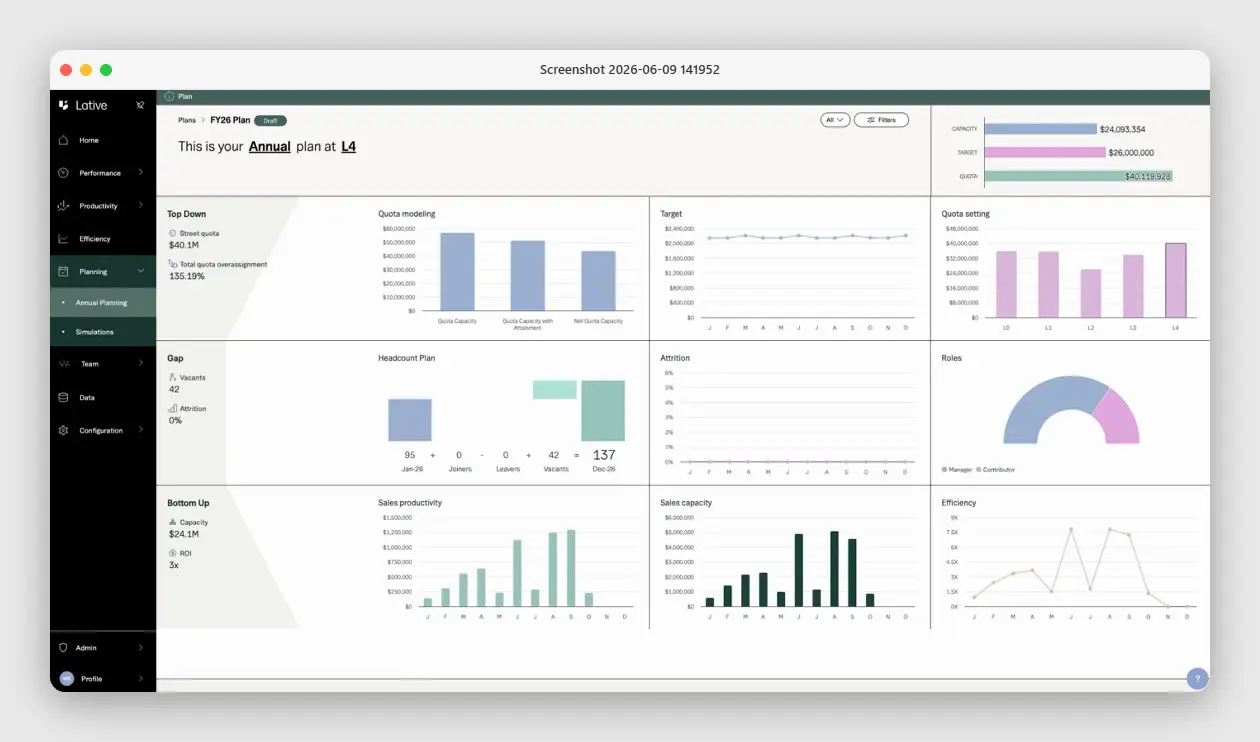
Full disclosure: Lative is our product, so weigh this with the appropriate skepticism. It belongs on a Forecastio-alternative list because it answers the question forecasting tools leave open: not whether you will hit this quarter, but whether the plan and quota were sized to what the team can actually carry. It sets quota to real productive capacity, ramp-adjusted and reconciled to the target.
It is not a deal-level forecasting tool. It does not inspect individual opportunities or call the quarter, so pair it with a forecasting tool for the in-quarter view. What it replaces is the spreadsheet capacity model behind the forecast, expressed as productive capacity per rep and segment in fully ramped equivalents.
2. Clari: the enterprise forecasting platform
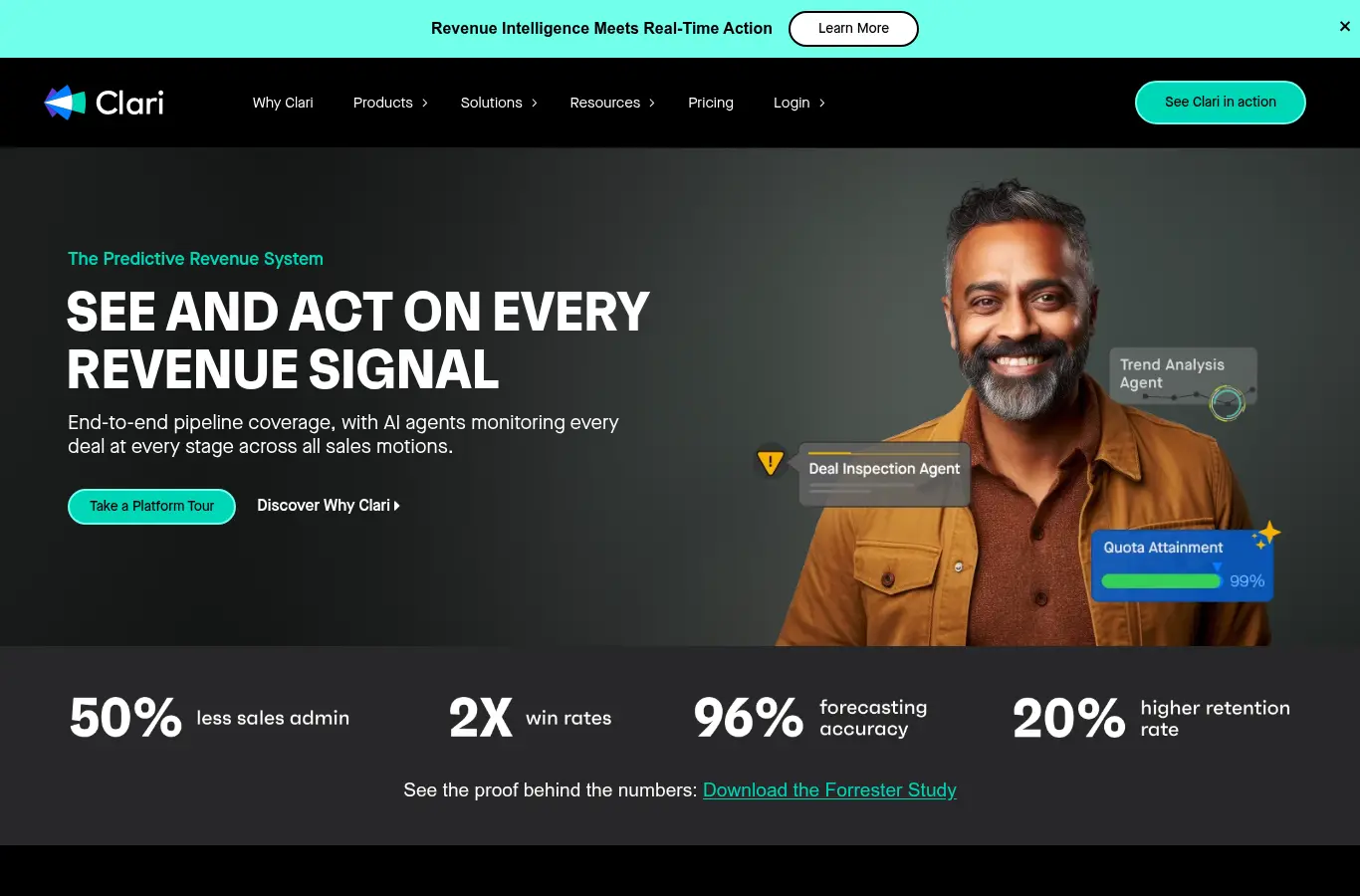
A revenue platform built around AI forecasting, deal inspection, and pipeline management for the in-quarter motion. Strong at calling the number and surfacing risk in deals already in flight.
It works on the pipeline that exists rather than the capacity that produces it. It answers whether you will hit this quarter, not how many ramped reps next year requires. Pair it with a capacity layer.
3. Gong: the revenue intelligence option
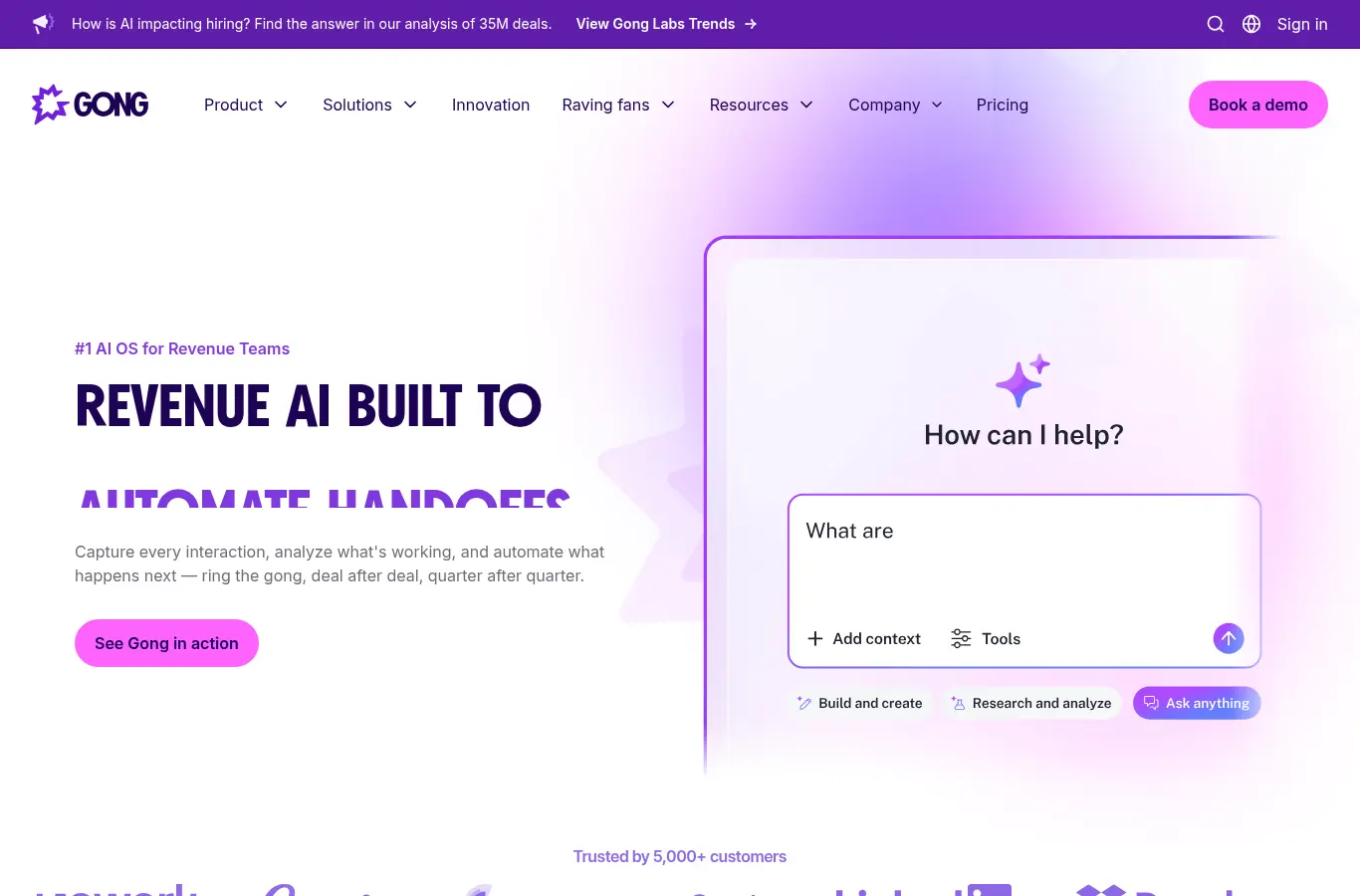
Revenue intelligence built on conversation and activity data, with forecasting and deal-risk insight layered on top. Gong reads what is actually happening in deals, calls, and emails.
It is intelligence-led rather than planning-led: excellent at explaining the pipeline and coaching reps, lighter on modeling the capacity and quota that produce next year’s number.
4. BoostUp: the pipeline-risk forecaster
A revenue intelligence and forecasting platform focused on pipeline visibility, deal risk, and forecast accuracy across the revenue motion.
Like other RI tools it explains and predicts the pipeline you have rather than modeling the capacity that creates it. Buy it for forecast accuracy, not capacity planning.
5. Aviso: the enterprise AI forecaster
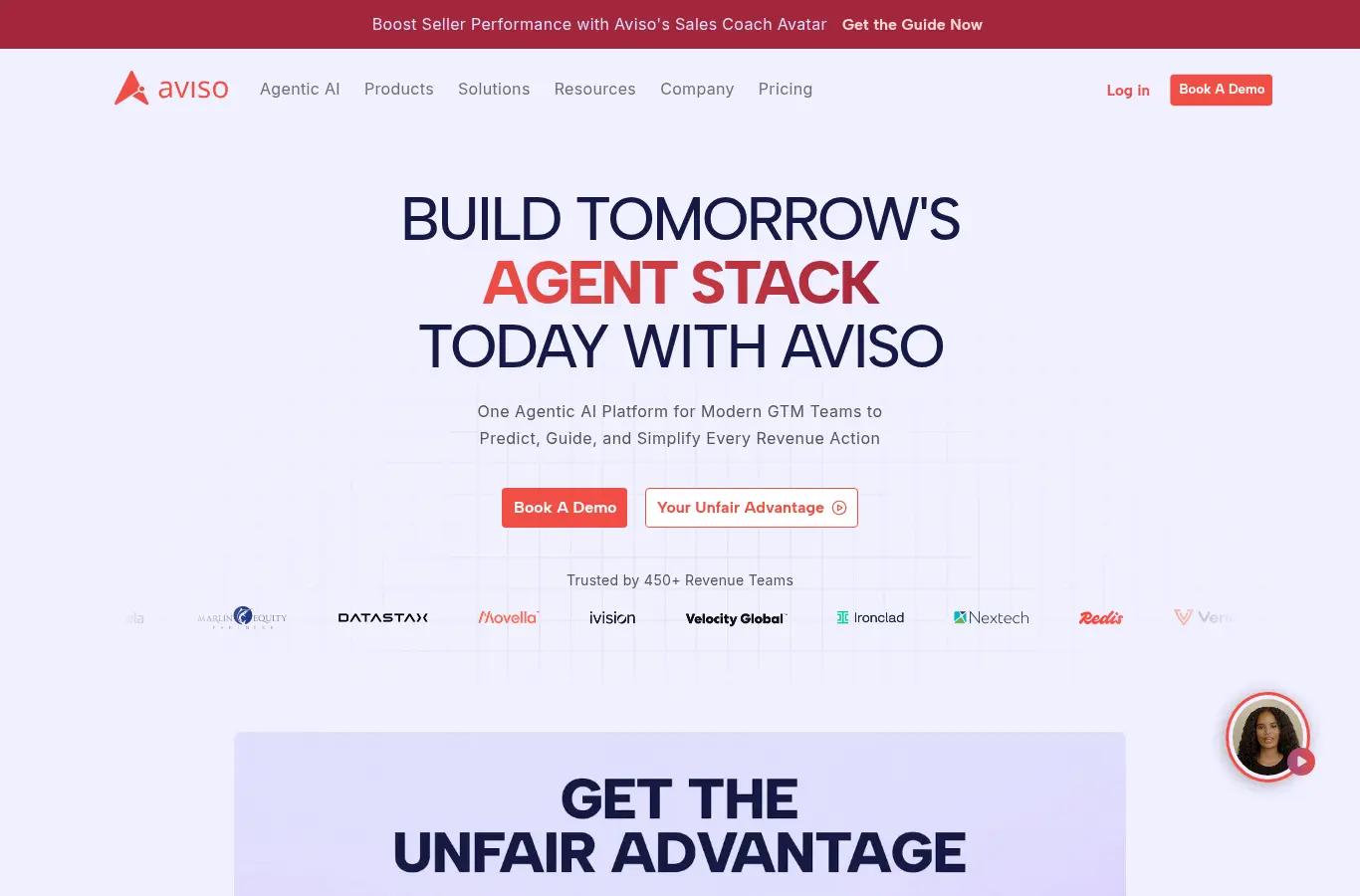
An AI-driven forecasting and revenue operations platform aimed at enterprise revenue teams, with predictive forecasting, deal insight, and conversational analytics.
It is prediction-focused: it calls the number and flags risk, but does not model per-rep capacity, ramp, or the headcount plan behind the target.
6. Salesforce: the CRM-native option
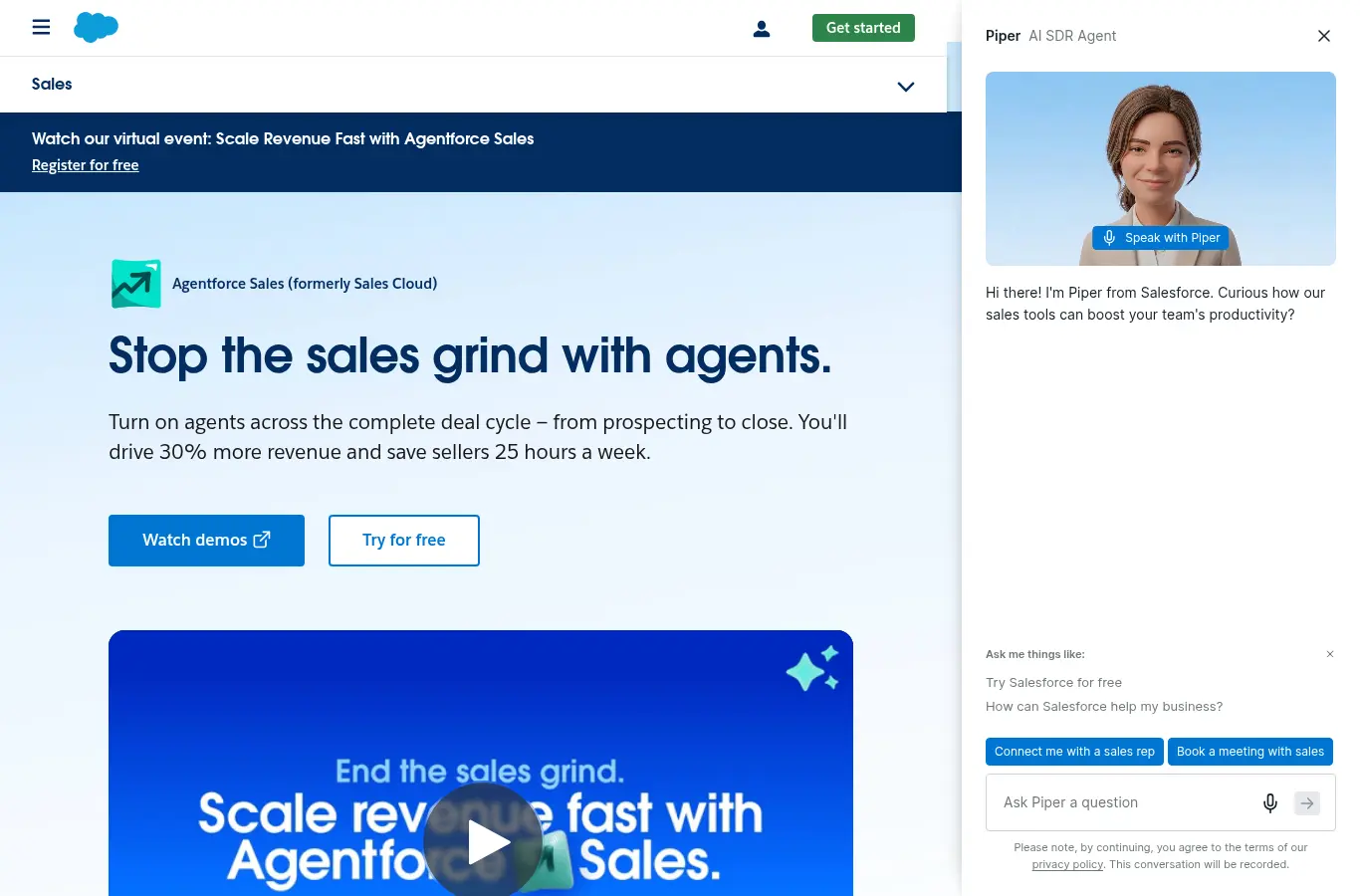
Salesforce forecasting runs on the records reps already update, which removes the most common reason a forecast stops being trusted: two systems disagreeing about the same deal. Collaborative forecasts roll up the hierarchy, adjustments are visible, and Einstein layers scoring on top.
What it does not do is test the number against the team. A roll-up tells you what the pipeline says. It does not tell you whether the reps carrying that pipeline have the ramped selling months to close it. When a quarter misses even though pipeline looked healthy in week two, that gap is usually the reason.
7. Drivetrain: the forecast inside FP&A
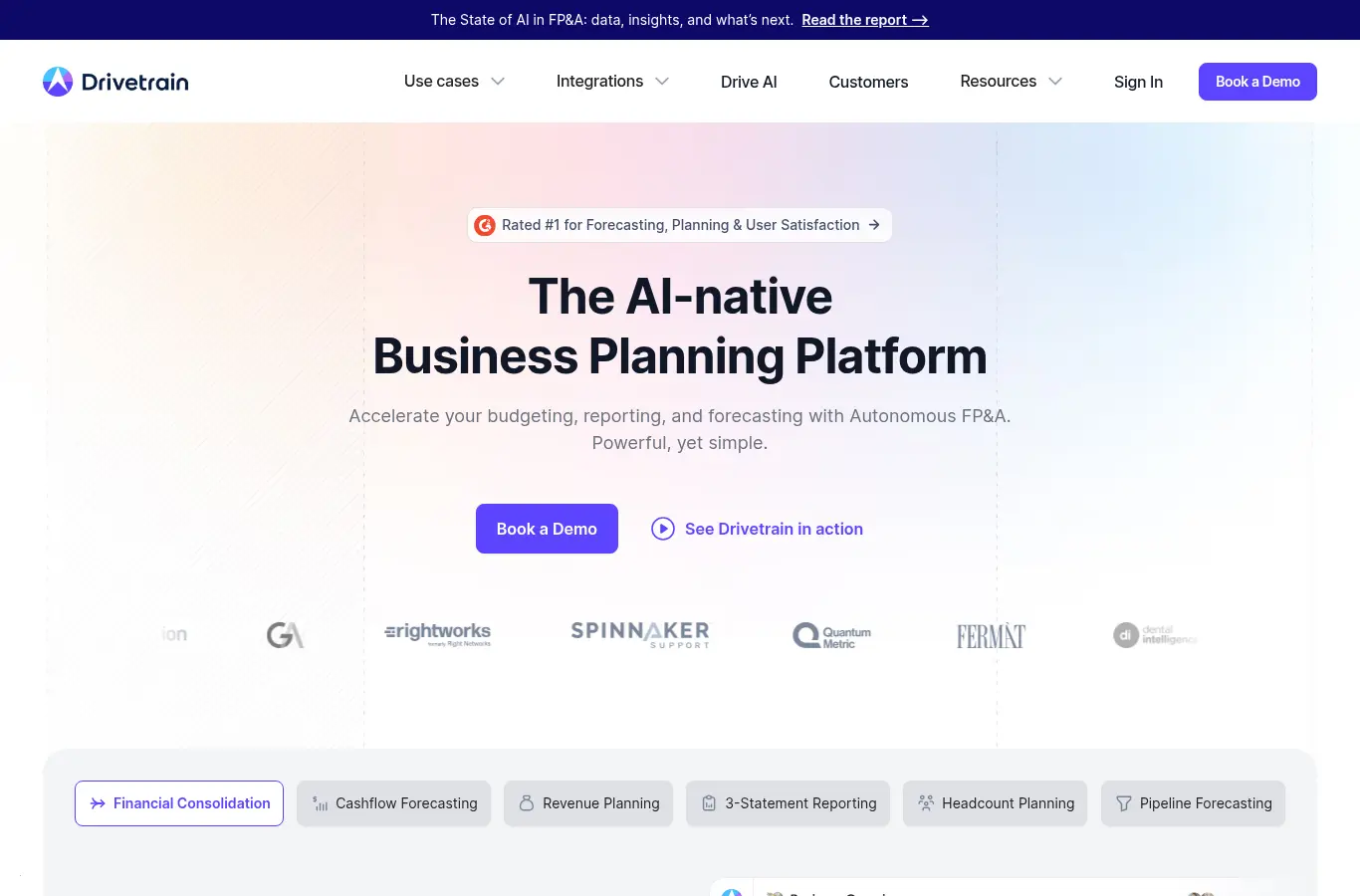
FP&A and business planning with revenue models built in. Fits teams that want the plan to live inside a connected financial model, with driver-based modeling tying it to burn and runway.
Like most FP&A tools, rep-level ramp and attainment detail requires custom model work; capacity is a driver you build rather than a native object.
When to switch, and when to stay
Stay with Forecastio, or pick another forecasting tool, when your core need is calling the quarter accurately on CRM data and your team fits its scope. Step up to Clari, Aviso, or BoostUp when you need enterprise-grade forecasting and deal inspection.
Add a capacity-first tool like Lative when the misses trace back to quotas set above capacity, or when hiring and ramp keep breaking next year’s plan. Most growing teams end up running both: capacity planning upstream, forecasting downstream. See how they connect on our sales capacity planning hub.
Frequently asked
What is the best Forecastio alternative?
It depends on what you are outgrowing. For deeper enterprise forecasting and deal inspection, Clari, Aviso, and BoostUp are the closest options, and Gong adds conversation intelligence. If the gap is the capacity and quota behind the forecast, a capacity-first tool such as Lative is the better fit, because it plans the number the forecast then tracks.
Is Forecastio only for HubSpot?
Forecastio is best known for HubSpot and also works with Salesforce. Teams that need forecasting on a different stack, or across multiple systems, often move to a platform-agnostic enterprise tool such as Clari or a planning layer such as Lative that reads capacity from the CRM you already run.
What is the difference between Forecastio and Lative?
Forecastio forecasts the pipeline you already have and calls the quarter. Lative plans the capacity that produces the pipeline: it sets quota to ramp-adjusted capacity and models hiring and ramp. Forecastio answers whether you will hit this quarter; Lative answers how many ramped reps next year requires.
Can you use Lative and a forecasting tool together?
Yes, and it is the common setup. Lative sets quota to capacity and models the hiring plan upstream, then a forecasting tool such as Clari or Forecastio tracks attainment and calls the quarter against that plan.
Is there a free Forecastio alternative?
Native CRM forecasting in Salesforce or HubSpot is the closest to a no-extra-cost option, since it is included with the CRM. It is lighter than dedicated tools on predictive accuracy and carries no capacity model, so most teams add a specialized tool as they scale.
See it in action. Book a Lative demo and see how it models the ramp-adjusted capacity behind your forecast, so the number you commit to is one the team can actually carry.
Werner Schmidt — Werner Schmidt is the CEO and Co-founder of Lative, with over 20 years of experience in Revenue Operations with companies including Forcepoint, Aruba Networks, Citrix, and Sage.