
A sales operations stack is a set of layers: a system of record, data hygiene and routing, intelligence, planning, and execution. It works when every layer is filled and fails, quietly, when one is empty. The layer teams skip most often is planning, which is why targets and capacity drift apart.
The Bridge Group’s 2024 SaaS AE Metrics Report (170+ B2B SaaS companies) found 51% of AEs hit quota. A well-tooled stack with an empty planning layer produces exactly that: clean data feeding quotas nobody can hit.
One disclosure: Lative is our product, and it appears as the planning layer of the stack, turning CRM actuals into capacity, quota, and territory decisions. It is judged on the same criteria as everyone else, including what it is not.
Quick picks by use case
- Best planning layer for the stack: Lative
- Best enterprise CRM core: Salesforce Sales Cloud
- Best SMB CRM core: HubSpot Sales Hub
- Best routing and matching: LeanData
- Best conversation intelligence: Gong
- Best forecasting: Clari
- Best CRM hygiene: Scratchpad
- Best comp administration: Xactly
- Best enterprise modeling: Anaplan
- Best native CRM analytics: Salesforce CRM Analytics
- Best inbound routing: Chili Piper
- Best cadences: Salesloft
Comparison at a glance
| Tool | Best for | Pricing | Standout |
|---|---|---|---|
| Lative | The planning layer | Custom quote, no per-user | Actuals to capacity and quota |
| Salesforce Sales Cloud | Enterprise CRM core | Enterprise from $175/user/mo | System of record |
| HubSpot Sales Hub | SMB CRM core | Published; confirm rate | Easy CRM plus reporting |
| LeanData | Routing and matching | Custom quote | Lead-to-account routing |
| Gong | Conversation intelligence | Custom quote | Call and deal insight |
| Clari | Forecasting | Custom quote | AI forecast and inspection |
| Scratchpad | CRM hygiene | Published; confirm rate | Fast Salesforce updates |
| Xactly | Comp administration | Custom quote | Incentive compensation |
| Anaplan | Enterprise modeling | Custom quote | Multi-domain planning |
| Salesforce CRM Analytics | Native CRM analytics | Add-on; custom quote | AI insight on CRM data |
| Chili Piper | Inbound routing | Published; confirm rate | Instant routing and scheduling |
| Salesloft | Cadences and workflow | Custom quote | Full-funnel cadences |
Pricing verified on vendor pricing pages in June 2026 where published; custom-quote vendors do not list rates. Always confirm current pricing directly.
How we evaluated
A sales ops stack has layers, and the failure mode is an empty one. System of record: is the CRM clean and trusted? Data hygiene and routing: do records reach the right owner automatically? Intelligence: can you see what is happening in deals and calls? Planning: does something turn actuals into capacity, quota, and territory decisions? And execution: do reps have cadences and workflow? Most orgs over-invest in the middle layers and leave planning empty, which is the layer this list is judged against.
The 12 best sales operations tools in 2026
1. Lative: best planning layer for the stack
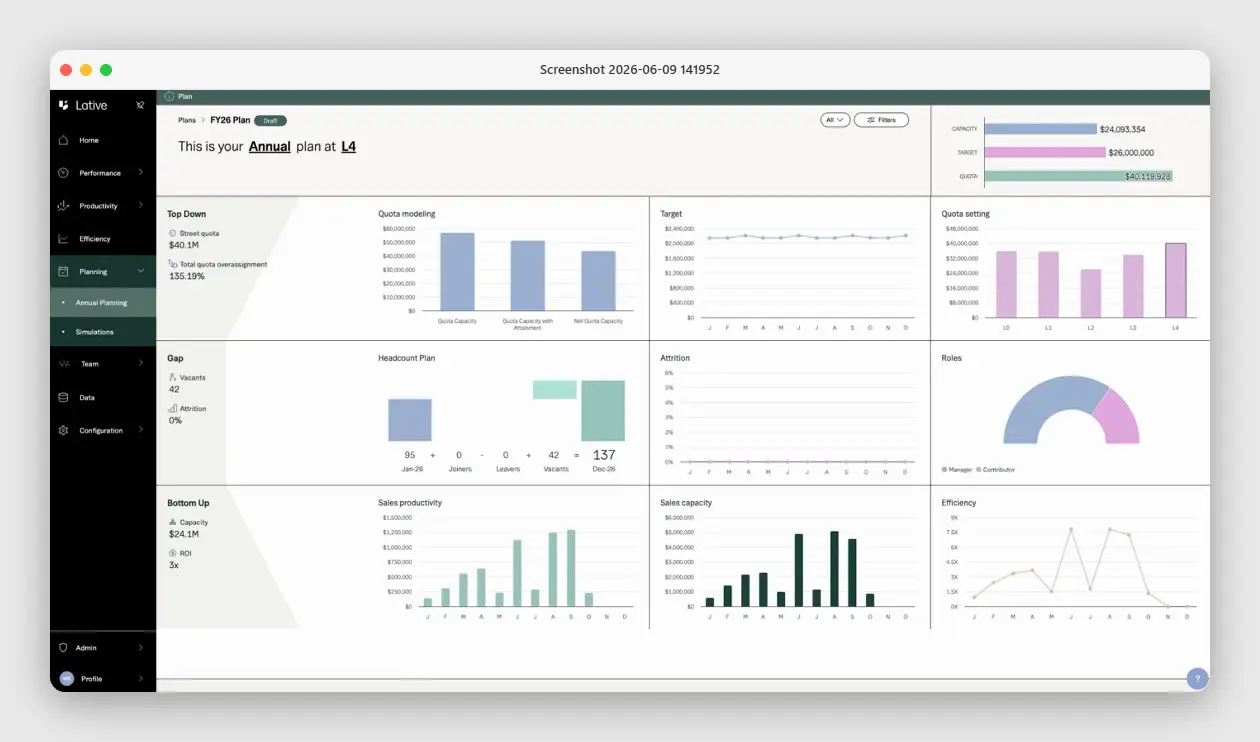
Full disclosure: Lative is our product, so weigh this with skepticism. In a sales ops stack it is the planning layer: it turns CRM actuals into ramp-adjusted capacity, quota, and territory decisions the rest of the stack executes. Most ops tools move data, clean it, route it, or report on it; Lative decides the plan that data feeds.
It is not a CRM, a routing tool, or a BI platform; it reads those systems and makes their data plan-ready. It fills the planning layer of the stack, capacity, quota, and headcount, not the execution, hygiene, or reporting layers around it.
2. Salesforce Sales Cloud: best enterprise CRM core
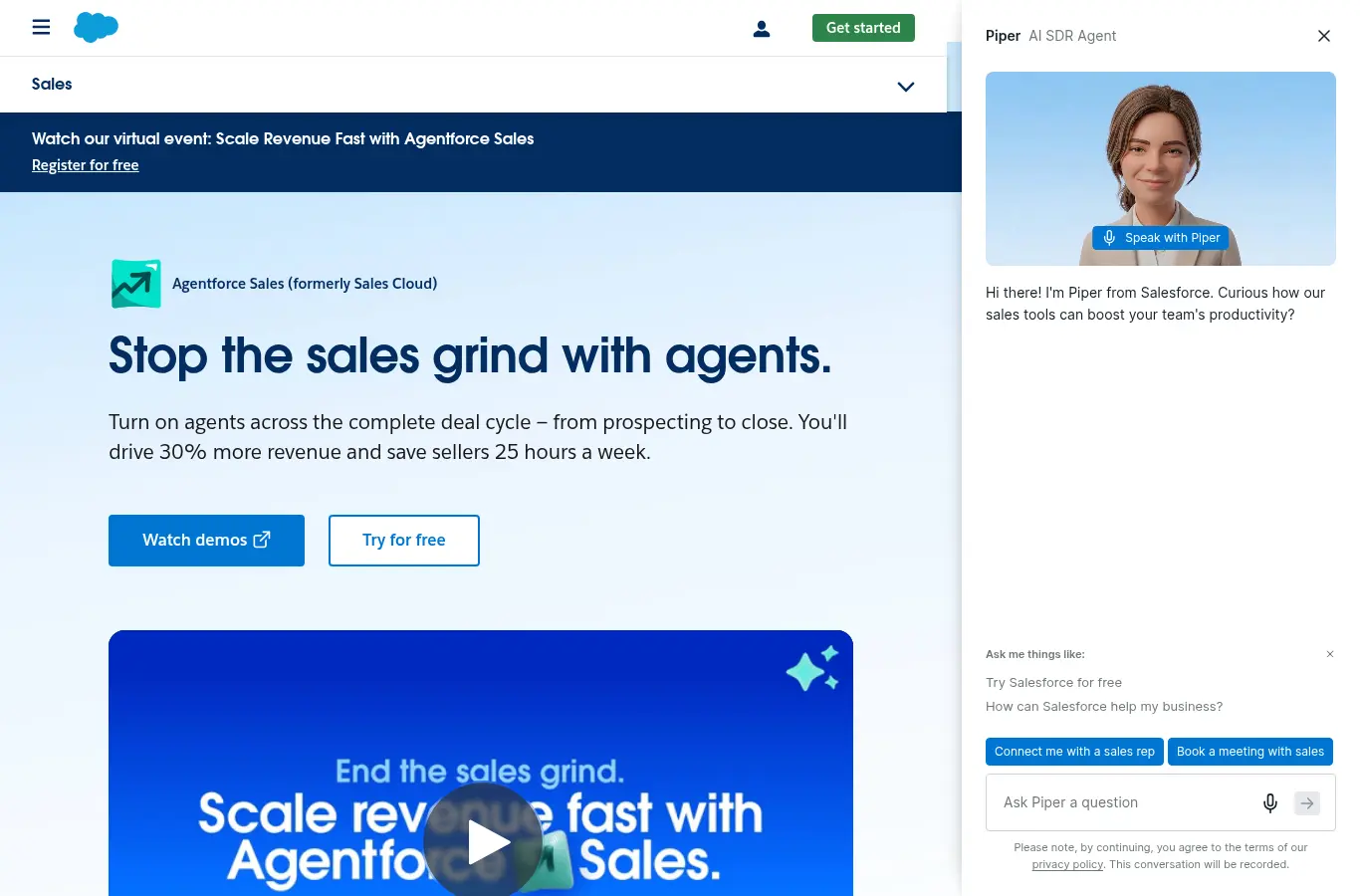
The enterprise CRM standard and the system of record most revenue stacks build around. Deep customization, a vast app ecosystem, and native reporting make it the default for orgs that can invest in admin capacity.
Its breadth is also its cost: it needs configuration and an admin to stay clean, and specialized jobs like ramp-adjusted capacity or opportunity scoring live in add-ons rather than the core.
3. HubSpot Sales Hub: best SMB CRM core
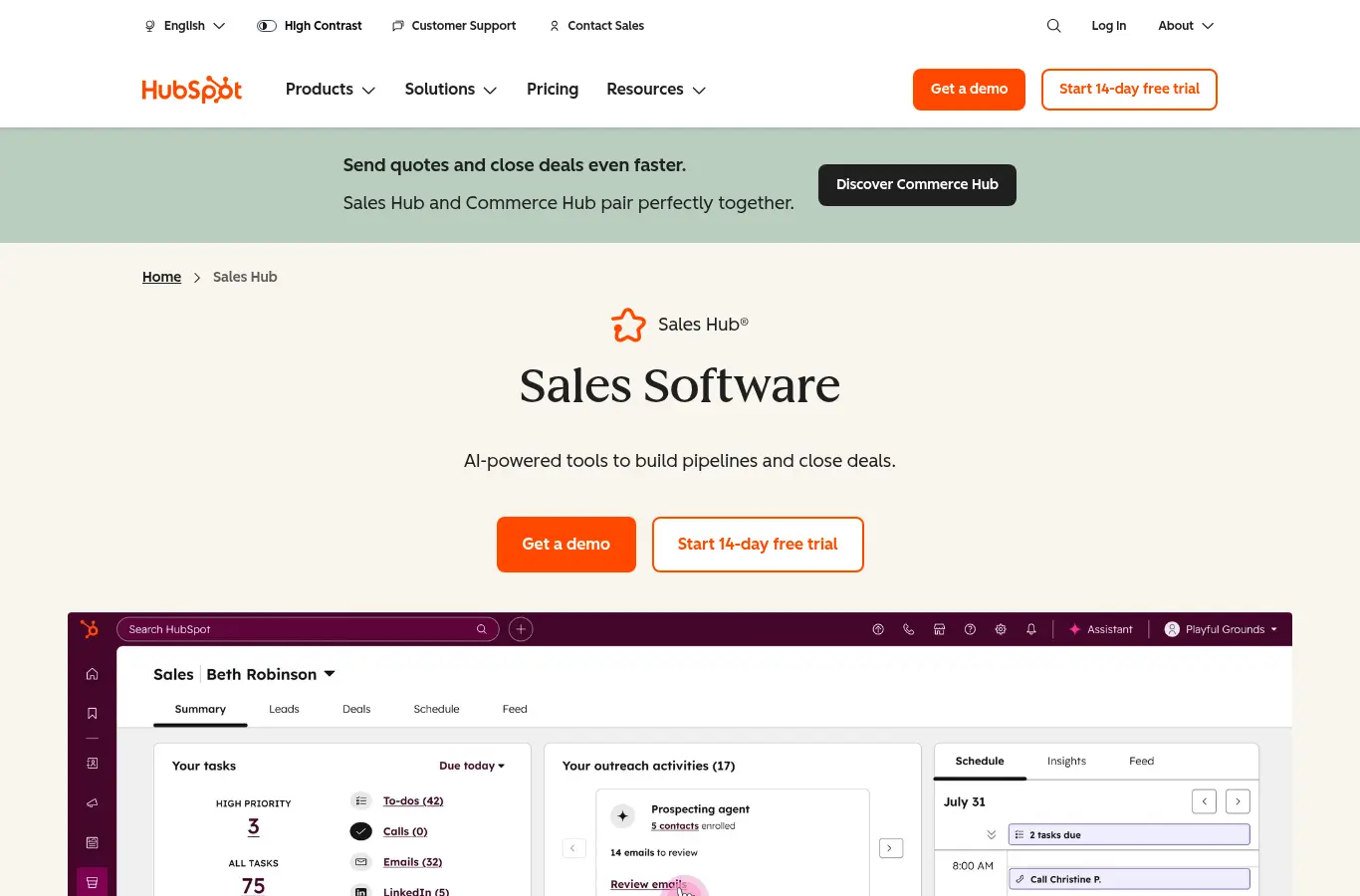
An approachable CRM and sales workspace with strong native reporting, popular with SMB and mid-market teams that want fast time to value without heavy administration.
It scales well until planning gets specialized: ramp-adjusted capacity, cohort math, and opportunity scoring are not native, so growing orgs add a planning layer on top of the CRM.
4. LeanData: best routing and matching
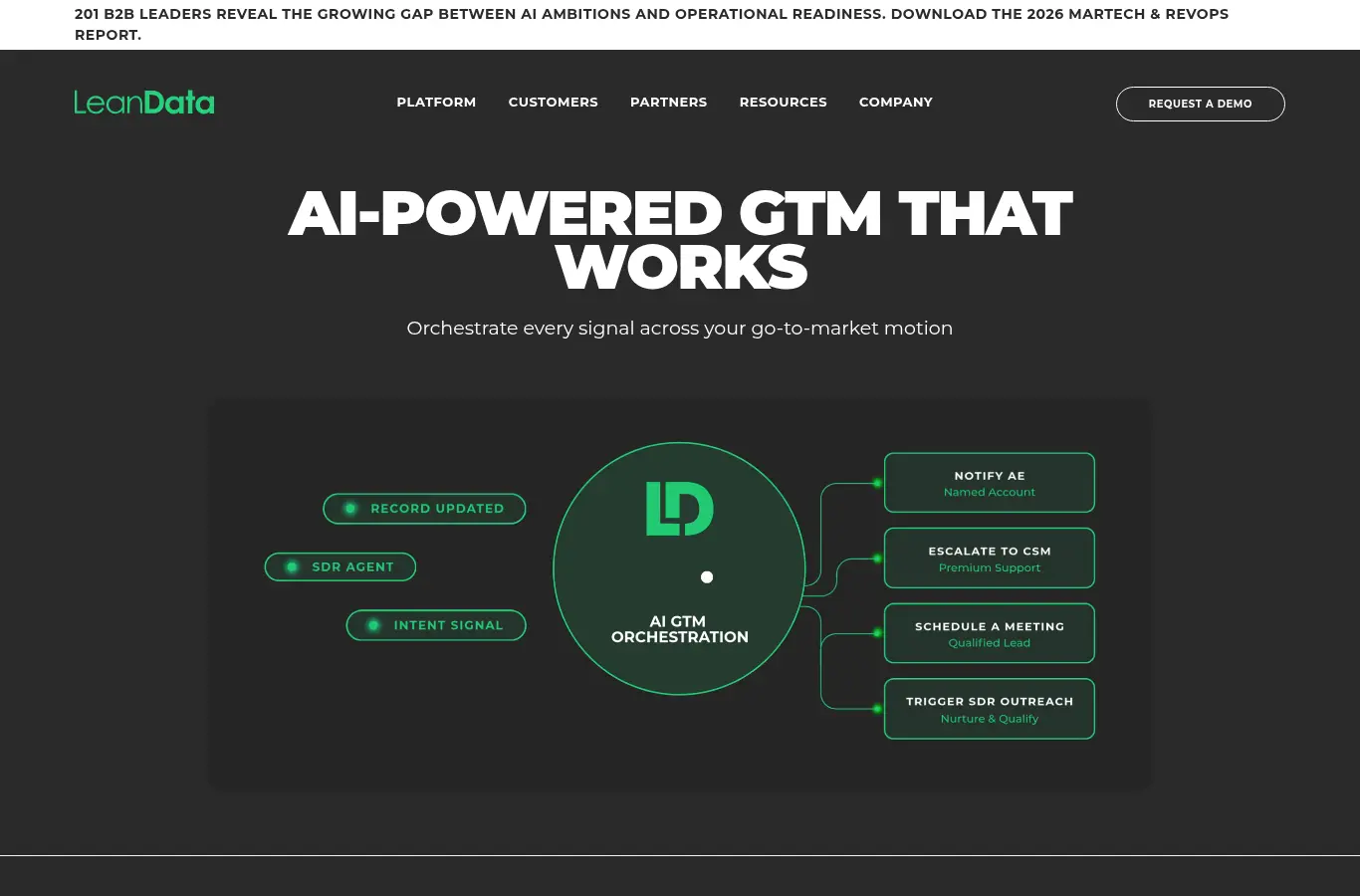
Revenue orchestration software focused on lead-to-account matching, routing, and go-to-market automation inside Salesforce. It ensures the right records reach the right owners automatically.
It is an orchestration and routing layer, not a planning system. It keeps ownership and routing clean; capacity and quota modeling live elsewhere.
5. Gong: best conversation intelligence
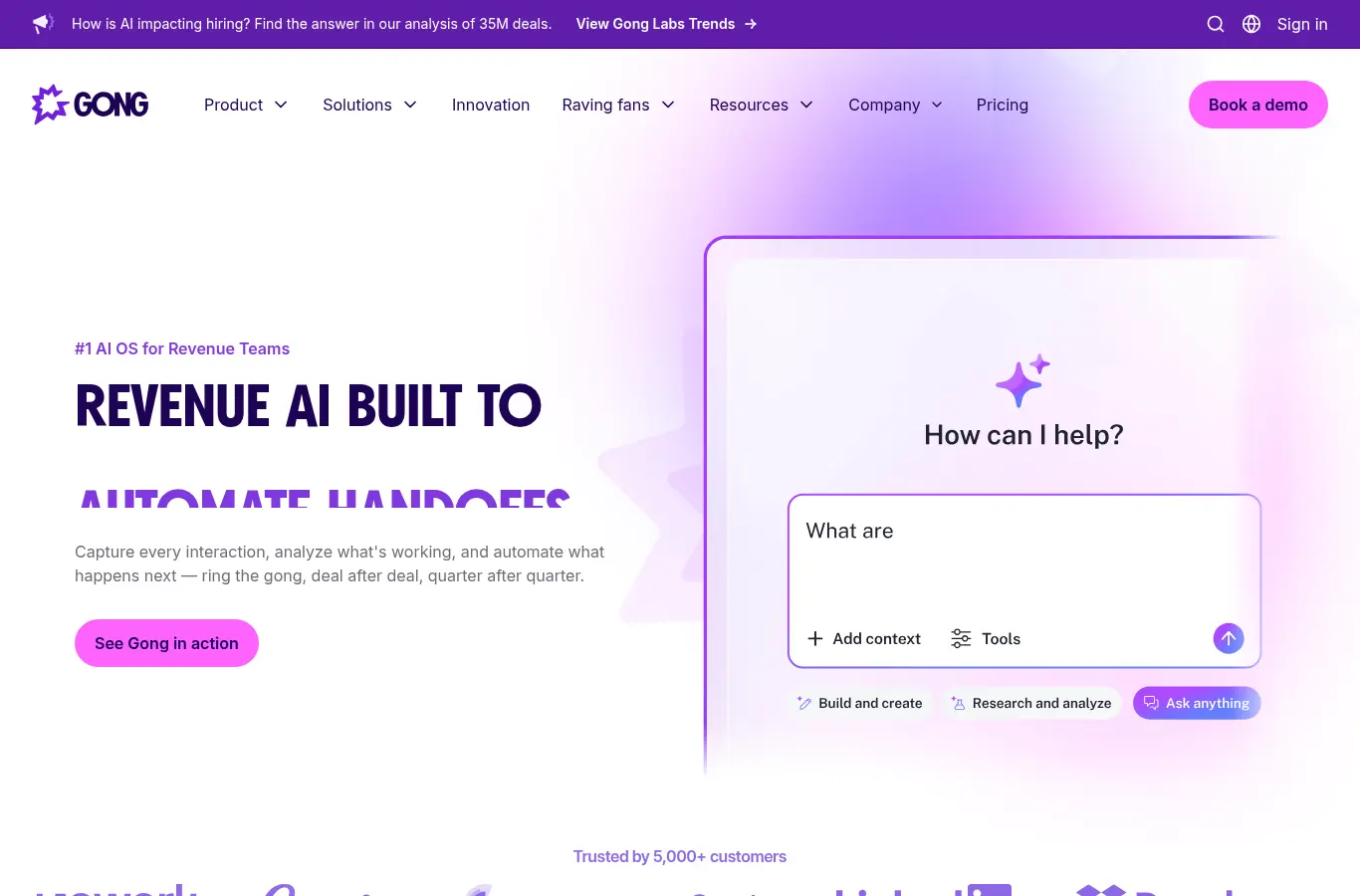
Revenue intelligence built on conversation and activity data, with forecasting and deal-risk insight layered on top. Gong reads what is actually happening in deals, calls, and emails.
It is intelligence-led rather than planning-led: excellent at explaining the pipeline and coaching reps, lighter on modeling the capacity and quota that produce next year’s number.
6. Clari: best forecasting
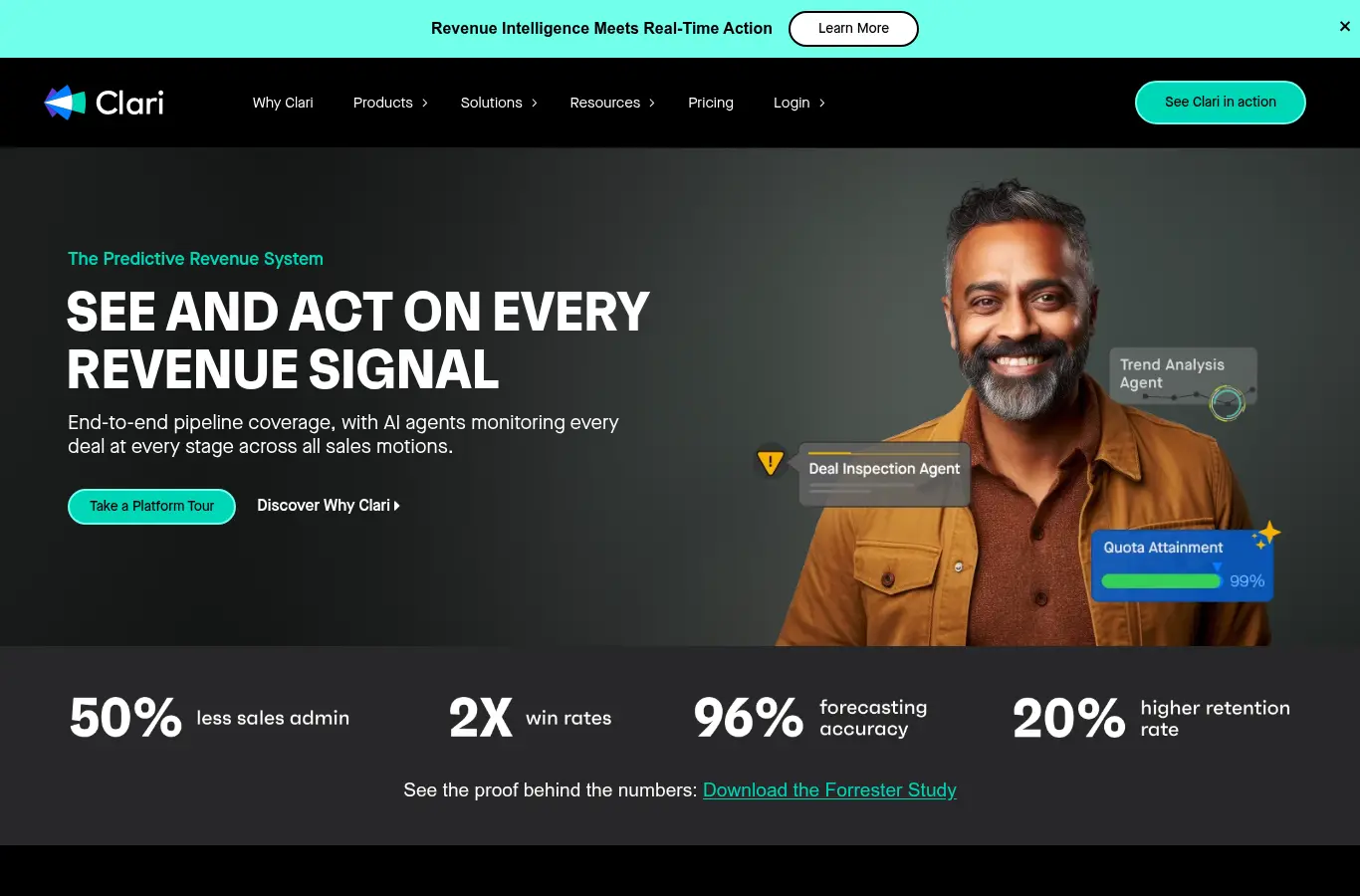
A revenue platform built around AI forecasting, deal inspection, and pipeline management for the in-quarter motion. Strong at calling the number and surfacing risk in deals already in flight.
It works on the pipeline that exists rather than the capacity that produces it. It answers whether you will hit this quarter, not how many ramped reps next year requires. Pair it with a capacity layer.
7. Scratchpad: best CRM hygiene
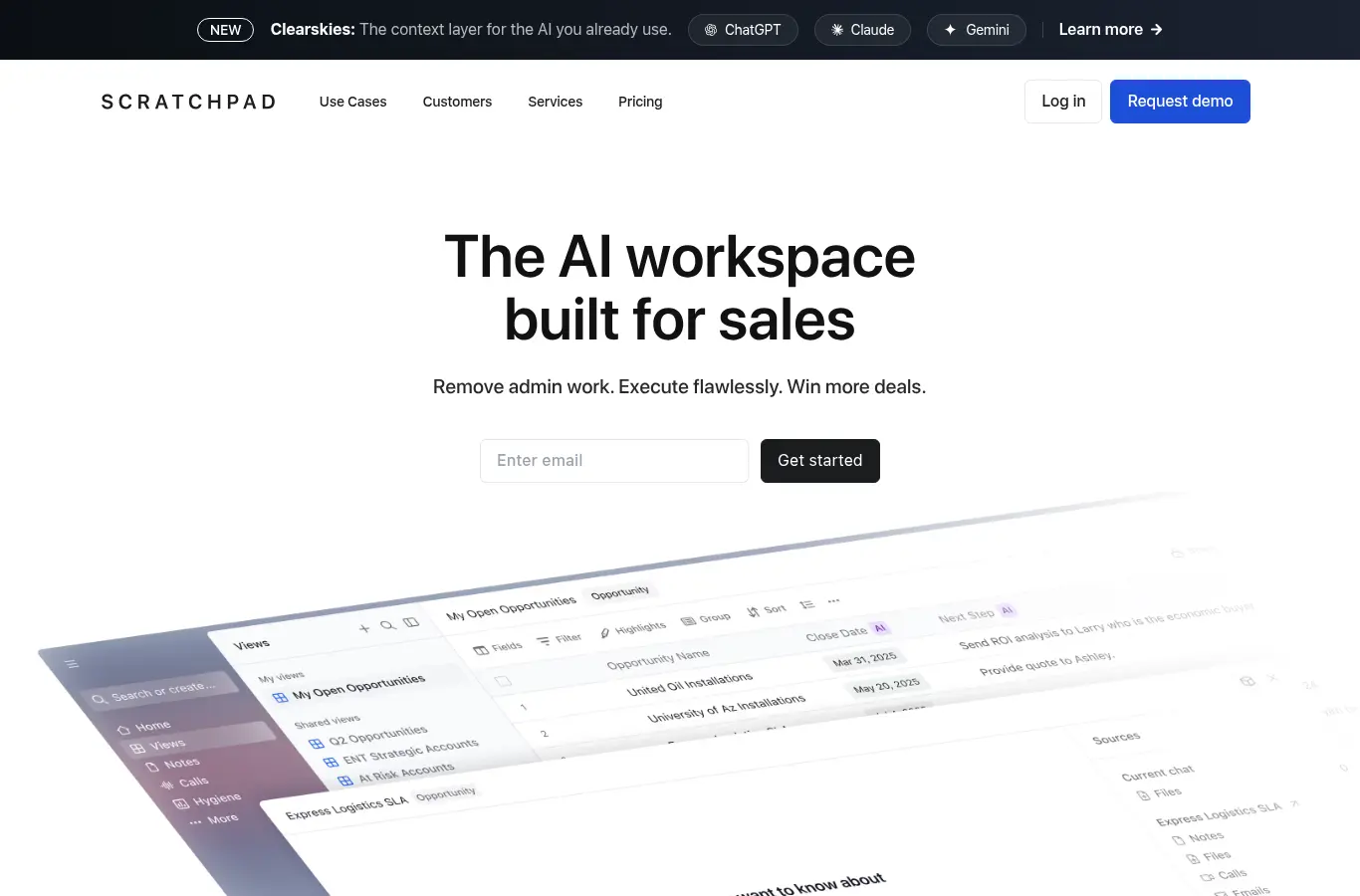
A fast workspace layer over Salesforce that makes CRM updates painless, so pipeline hygiene improves and reps spend less time in the CRM. Good where dirty pipeline data is the bottleneck.
It improves the data quality planning depends on, but it is not itself a planning tool. It keeps the inputs clean; something else models capacity and quota from them.
8. Xactly: best comp administration
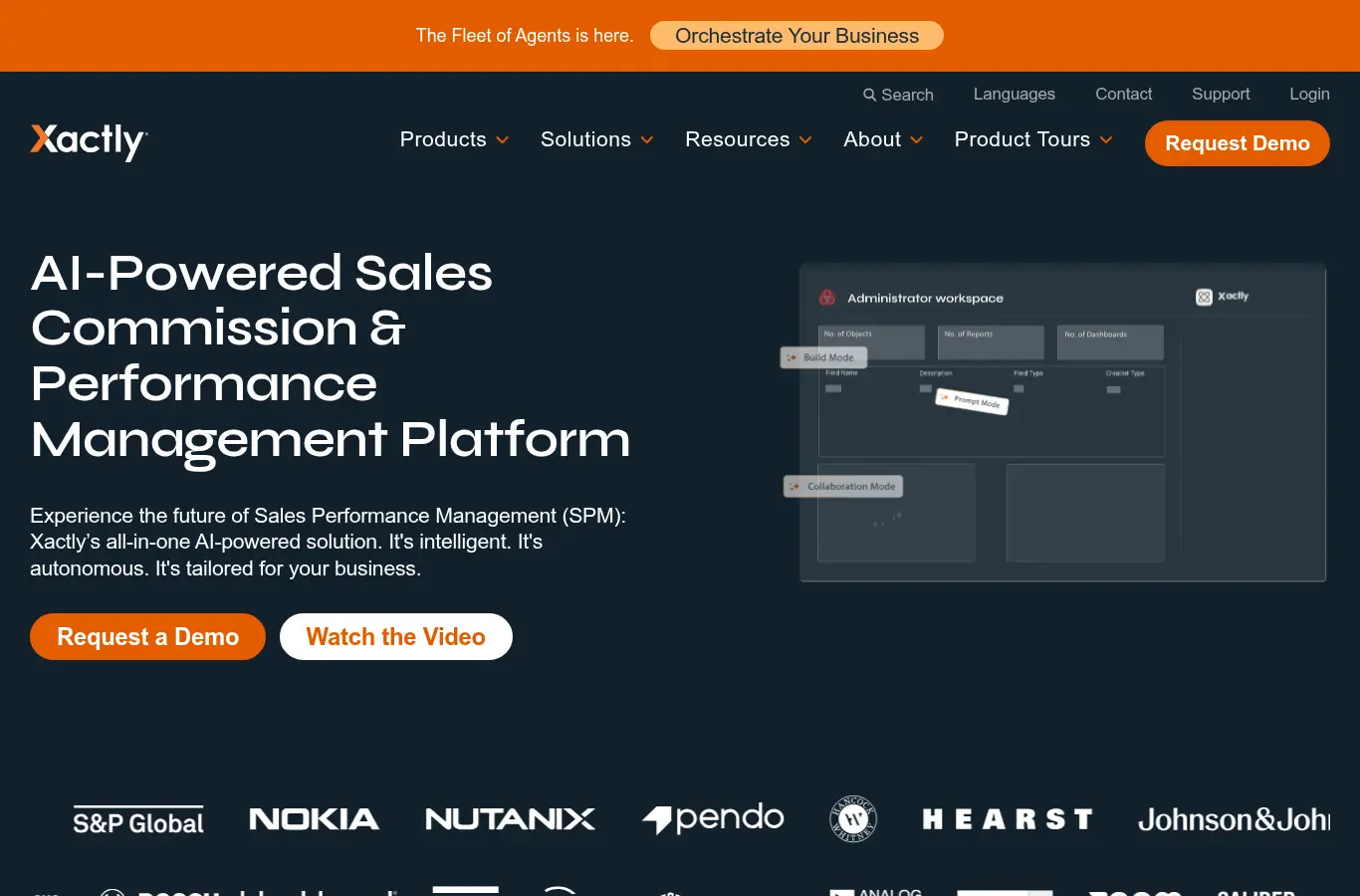
Best known for incentive compensation, with planning modules and a benchmark dataset accumulated over years of comp data. Sensible when comp should share a vendor and you value the benchmarking.
It is comp-led: the plan serves the comp model rather than the other way around, and ramp-cohort math is not a native object. Buy it for comp first.
9. Anaplan: best enterprise modeling
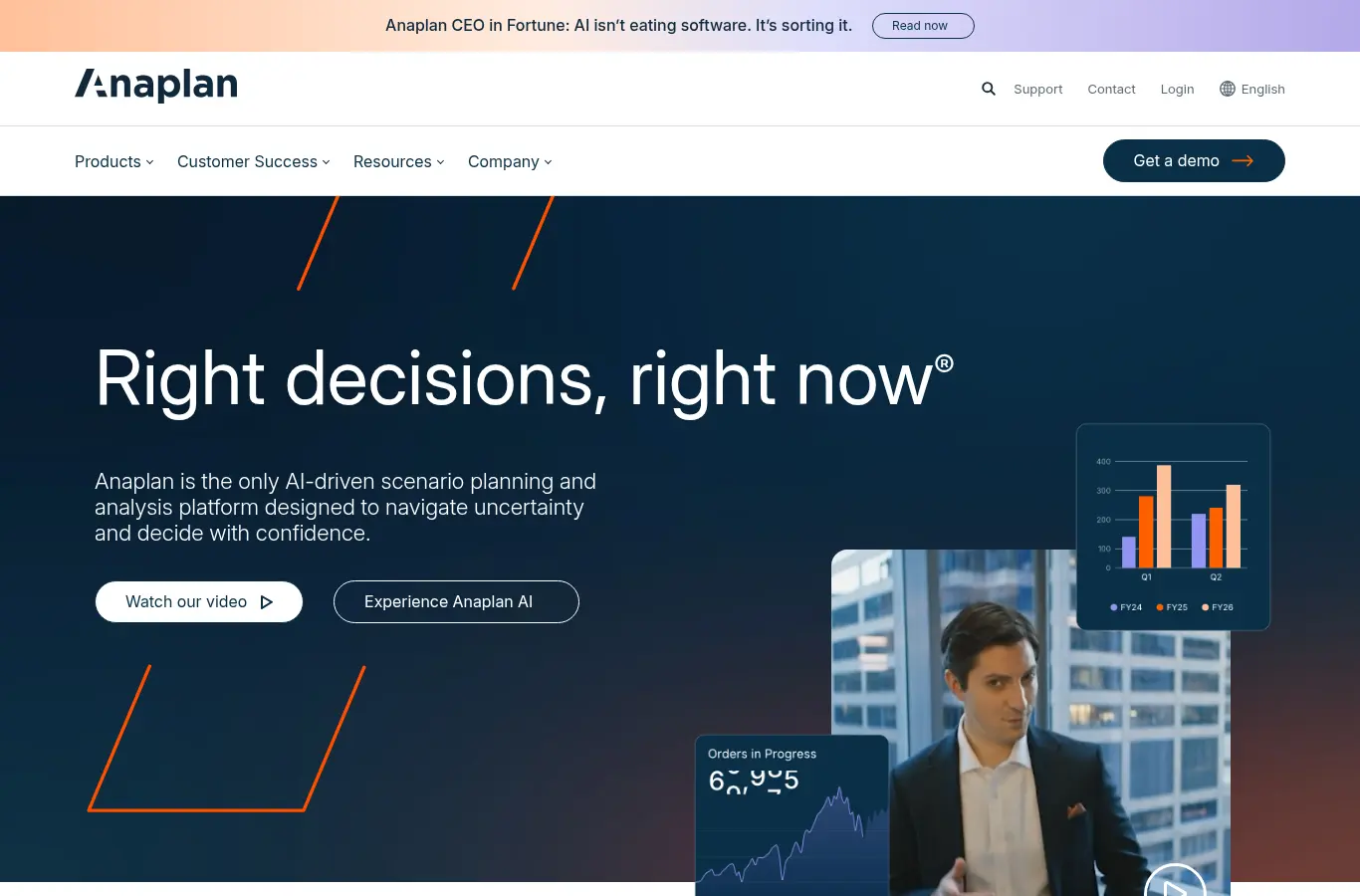
Enterprise connected planning with near-unlimited modeling flexibility across finance, sales, and operations. It is the default when a dedicated planning team owns a multi-domain model and this problem is one province of a much larger map.
The trade-off is weight: implementations run in months, model maintenance is a standing job, and the domain logic is yours to build inside the platform. For a single job it is more platform than the problem needs.
10. Salesforce CRM Analytics: best native CRM analytics
Salesforce’s native analytics layer (formerly Tableau CRM), surfacing AI-driven insight and dashboards on CRM data inside the platform. A convenient reporting layer for Salesforce-centric ops stacks.
It reports on the CRM rather than planning from it: ramp-adjusted capacity and quota are not native objects, so the planning layer still sits elsewhere.
11. Chili Piper: best inbound routing
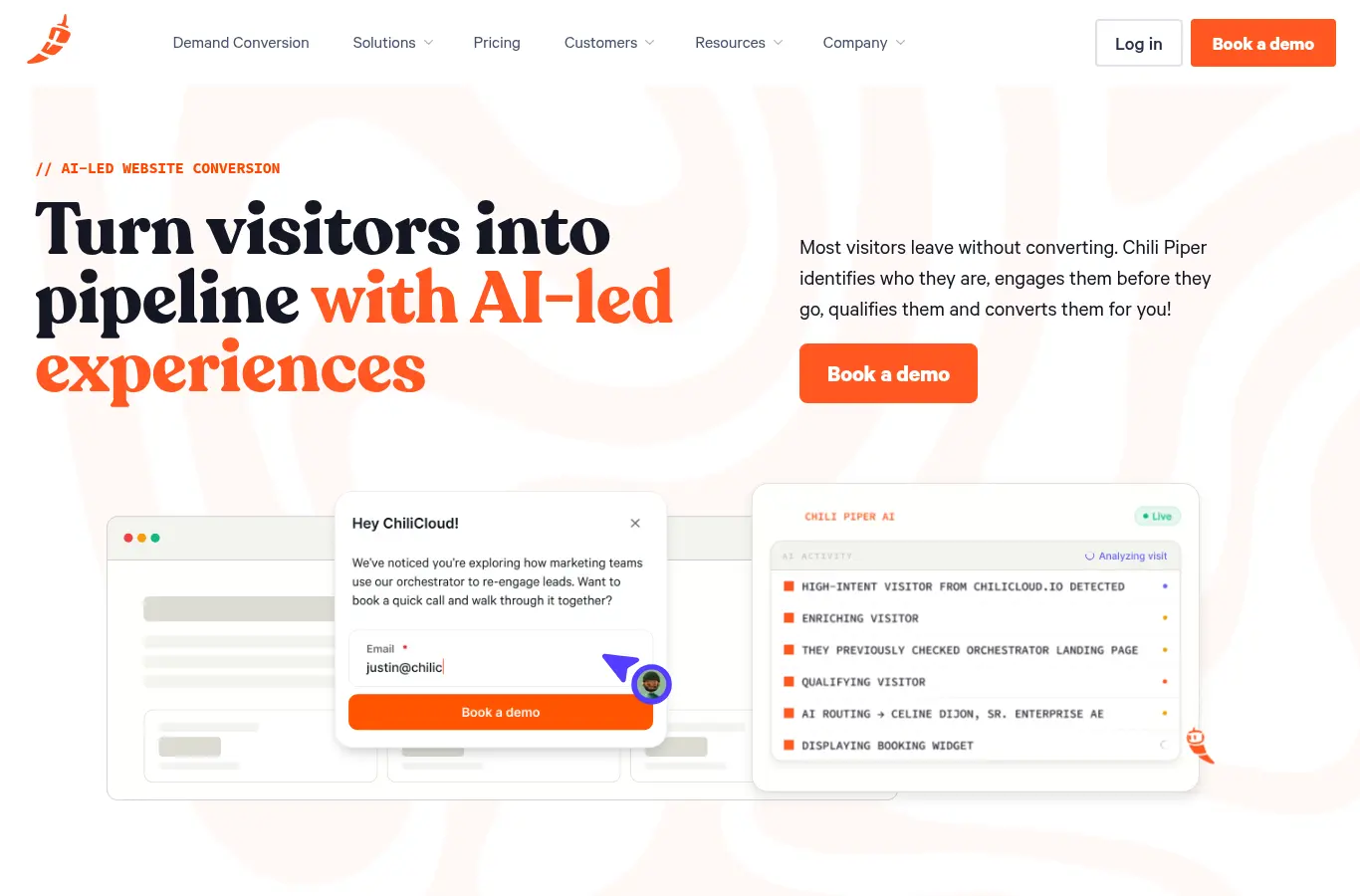
Inbound conversion software: instant lead routing, qualification, and scheduling that book meetings the moment a lead converts. Strong where speed-to-lead is leaking pipeline.
It optimizes the handoff, not the plan. It gets the right rep in front of the right lead fast; it does not model capacity or quota.
12. Salesloft: best cadences and workflow

A sales engagement and revenue-workflow platform built around cadences, dialer, and deal management. Comparable to Outreach, with a broad workflow footprint across the funnel.
Like all engagement tools, it drives execution rather than planning. It improves how reps work the plan, not the capacity and quota math behind it.
Scoring your current stack in one hour
Before adding anything, audit what exists against the five layers. For each layer, score three questions from zero to two: is there a tool, does it have a named owner, and did its key metric move in the last two quarters? A layer scoring under four is effectively empty regardless of what the invoice says. Then test the stack end to end with one scenario: a hire slips six weeks and a tenured rep resigns in the same month.
How long until the forecast, the quota plan, and the comp accrual all reflect the new reality? In a healthy stack the answer is days, because the planning layer recalculates and everything downstream reads from it.
In most stacks the answer is “at the next planning cycle,” which means the company runs on stale numbers for a quarter. That one-hour audit usually produces a shorter shopping list than any vendor comparison, and a more honest one.
The build order
- First, the record layer, kept clean. Salesforce or HubSpot plus written stage definitions. Nothing else works on a dirty record.
- Second, flow. Routing (LeanData, Chili Piper) and update friction (Scratchpad), because data quality is a workflow problem before it is a discipline problem.
- Third, intelligence. Inspection and conversations (Clari, Gong) once there is enough pipeline for risk to hide in.
- Fourth, planning. A capacity layer (Lative) the moment hiring cohorts and multiple segments make spreadsheet planning unreliable, typically $10M to $25M ARR.
- Fifth, money. Dedicated comp (Xactly) when payout complexity outgrows the spreadsheet, and not before.
A worked example: finding the empty layer
A hypothetical $30M ARR company runs Salesforce, Gong, Clari, Outreach, and Xactly, a six-figure stack, and still missed three of the last four quarters. The diagnostic: every layer is staffed except planning. Quotas were set by dividing the board target across heads; the January hiring class was modeled at full productivity from month one; and territory potential was last scored two years ago.
The intelligence layer faithfully inspected a pipeline the roster could not work, and the comp layer accurately paid people against numbers they could never hit.
Adding a capacity layer did not replace a single existing tool; it gave the stack the one answer none of them could produce: what can this team actually deliver, and what should the targets be? The misses were a planning gap wearing an execution costume, which is the most common configuration in scaling SaaS.
Integration debt is the silent line item
Every tool added to the stack creates integration surface: field mappings, sync schedules, duplicate logic, and the question of which system wins a conflict. Budget it explicitly.
A good rule: any new tool must name its source of truth for every shared object (account, contact, opportunity, quota) before purchase, and ops reviews the mapping quarterly. Stacks fail less often from bad tools than from three tools disagreeing about what an opportunity is.
Common stack mistakes
Buying intelligence before hygiene. Inspection tools amplify what the CRM contains. Clean stages and fast updates first.
Leaving planning to spreadsheets forever. The planning layer is the cheapest place to prevent a miss and the most expensive place to discover one.
Tool sprawl without owners. Every tool needs a named owner and a 90-day success metric, or the stack itself becomes the ops burden.
Confusing the stack with the job. Tooling supports the operating cadence, weekly pipeline review, monthly capacity refresh, quarterly planning, and substitutes for none of it. See what is sales operations for the cadence itself.
Frequently asked
What is sales operations software?
The stack of tools that supports the sales ops function: CRM, routing and data hygiene, conversation and pipeline intelligence, incentive comp, and capacity and quota planning.
What should a sales ops stack include first?
A clean system of record with written stage definitions, then flow tools that keep data current, then intelligence, planning, and comp, in that order.
What is the most commonly missing layer?
Planning. Most stacks inspect pipeline well and model capacity not at all, which is how quotas end up set by division. See how to calculate sales capacity.
How many tools does a sales ops team need?
Fewer than it has. One per layer, each with an owner and a measured outcome, beats overlapping subscriptions that each seemed reasonable alone.
When should planning move off spreadsheets?
Around $10M to $25M ARR, or whenever cohort hiring and multiple segments make a static sheet impossible to keep current.
A final note on budget allocation: most sales ops budgets skew 80% toward the record and intelligence layers because those vendors market hardest, while planning, the layer that decides whether targets are achievable at all, runs on a spreadsheet and goodwill.
Inverting even a tenth of that spend toward the planning layer typically returns more than any intelligence upgrade, because preventing one mis-set quota cycle pays for the tooling several times over.
The best sales ops stack is the smallest one that keeps the data clean, the number honest, and the plan connected to reality. See the full sales capacity planning guide, or book a demo to fill the planning layer with your own data.